 English
 русский
 Español
Pinhole Reinforcement Hammer Factory: Small Hole, Tight Grip, No Wasted Ground
Erosion control does not always call for a wide hole. On a thin blanket over stable soil, a wide spike loosens ground that did not need loosening and drags the mat on the way out. The pinhole reinforcement hammer does the opposite. Narrow spike, tight hole, clean release. A pinhole reinforcement hammer factory builds the tool for crews working the tighter profiles.
The Pull-Out Matters as Much as the Drive-In
Most people judge a stake driver by how well it goes in. The pinhole tool is judged by how it comes out. A narrow spike releases without lifting the erosion blanket or dragging soil with it. That clean release is why the hole stays tight around the stake and the mat stays flat on the ground.
A wide spike on the same job leaves a crater around the pin. The blanket lifts at the edges. The rain finds the gap.
One Piece or Two, and Why It Decides the Tool's Life
A two-piece hammer has a joint between the head and the spike. That joint is where the tool fails. The weld cracks or the threads strip, and the spike separates mid-swing.
A pinhole reinforcement hammer factory that forges the tool as one piece removes the joint entirely. There is nothing to loosen and nothing to fail. The trade-off is a harder manufacturing process and a shorter tool, but the crews working tight profiles rarely need a long one.
Here is what the factory has to get right:
- Forged alloy spike, narrow and tapered
- Heat treatment that resists bending on buried rock
- Hardened striking face that resists mushrooming
- One-piece construction where the profile allows
- Handle sized for one-handed holding
- Rust-resistant finish for wet ground
The Swing Comes From a Mallet, Not the Arm
This is not a pickaxe. The user holds the tool upright and strikes the head with a mallet or a hand sledge. The handle is short and the grip absorbs the shock. A handle that transmits every blow up the arm tires the crew by mid-morning.
Fiberglass with a rubber overmold does the job. It also keeps the tool light enough to carry all day through the site.
Where the Small Hammer Fits
Residential and commercial erosion crews use it on the small-scale work: thin blankets, tight slopes, spots where the larger tool does not fit. The tool is not for the heavy anchoring job. It is for the pin that holds the mat until the seed takes.
The Spike That Bends on the First Rock
A soft spike bends on the first buried rock. The crew straightens it, and it bends again. A forged and heat-treated spike stays straight. A soft head mushrooms and throws fragments. A hardened head holds. A two-piece tool separates at the joint. A one-piece tool does not.
A pinhole reinforcement hammer factory builds a narrow tool for a narrow job. The spike releases clean. The head takes the mallet. The grip absorbs the shock. Choose a factory that forges the steel and controls the heat treatment. The pin goes in tight and the mat stays down.
Recommended Products
-
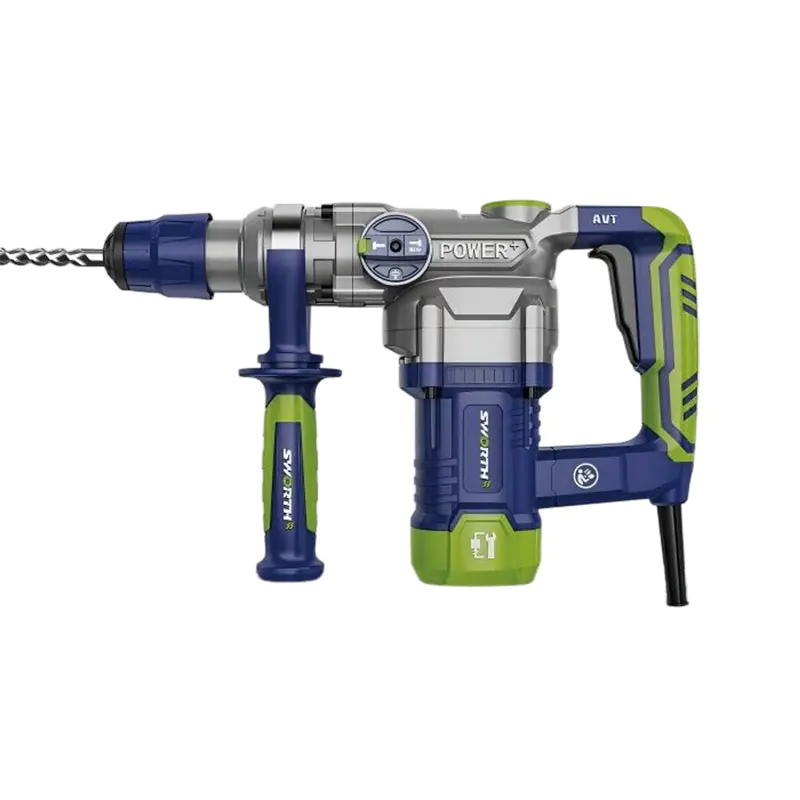


SW528 Small Hole Rebar Hammer
-
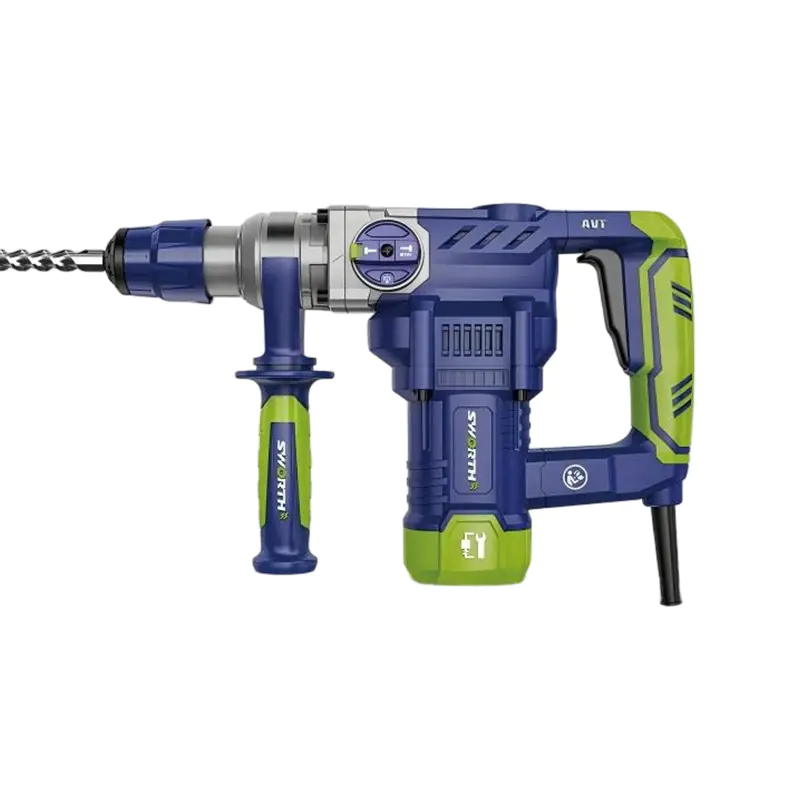
SW932 Groove Sandblasting Hammer
-
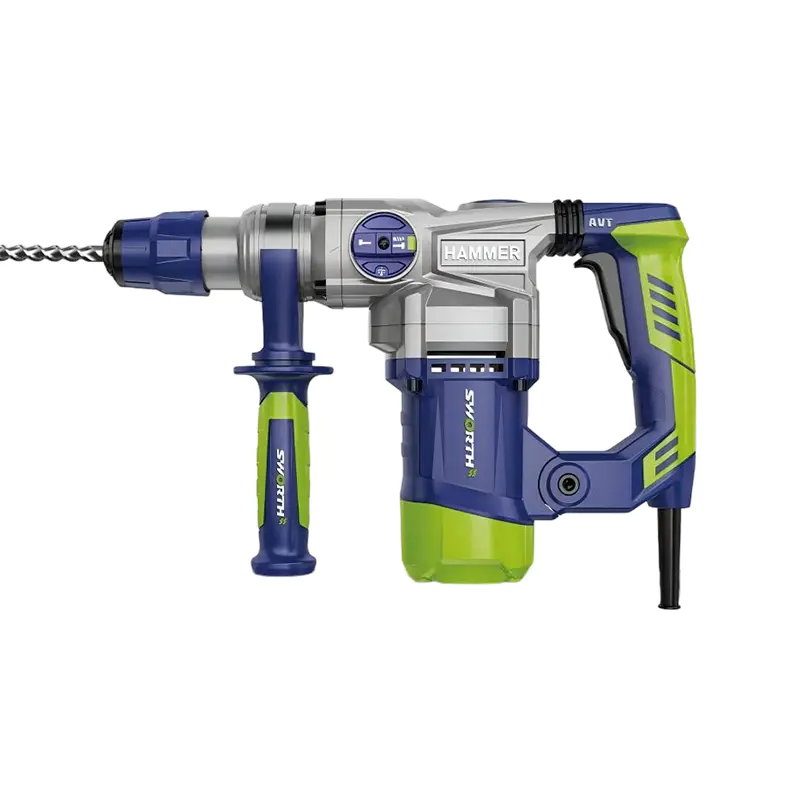
SW9362A Large Hole Rebar Hammer
-
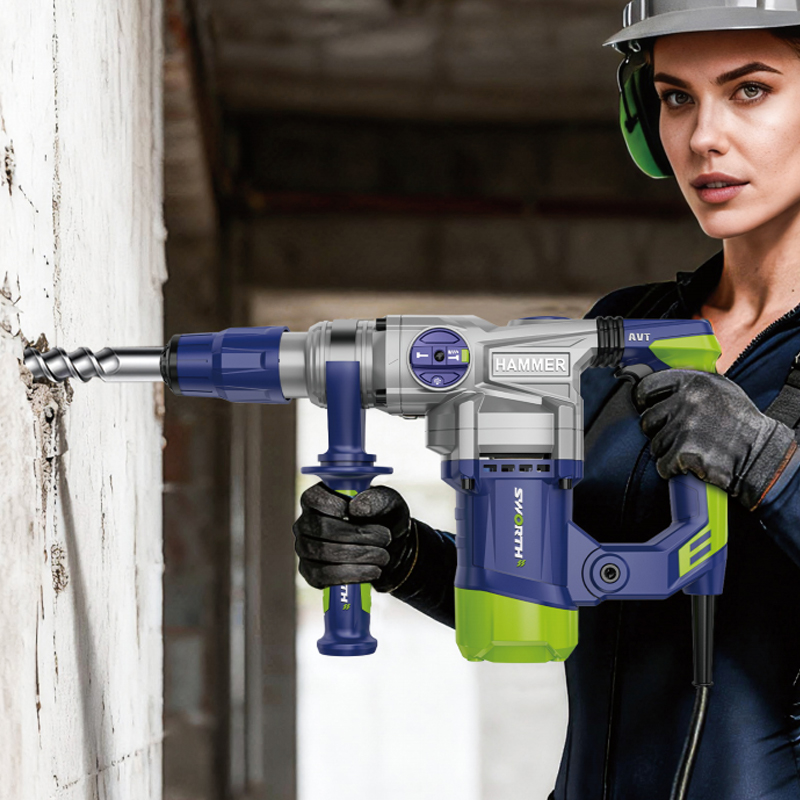
SW940 Enlarged Hole Rebar Hammer
-
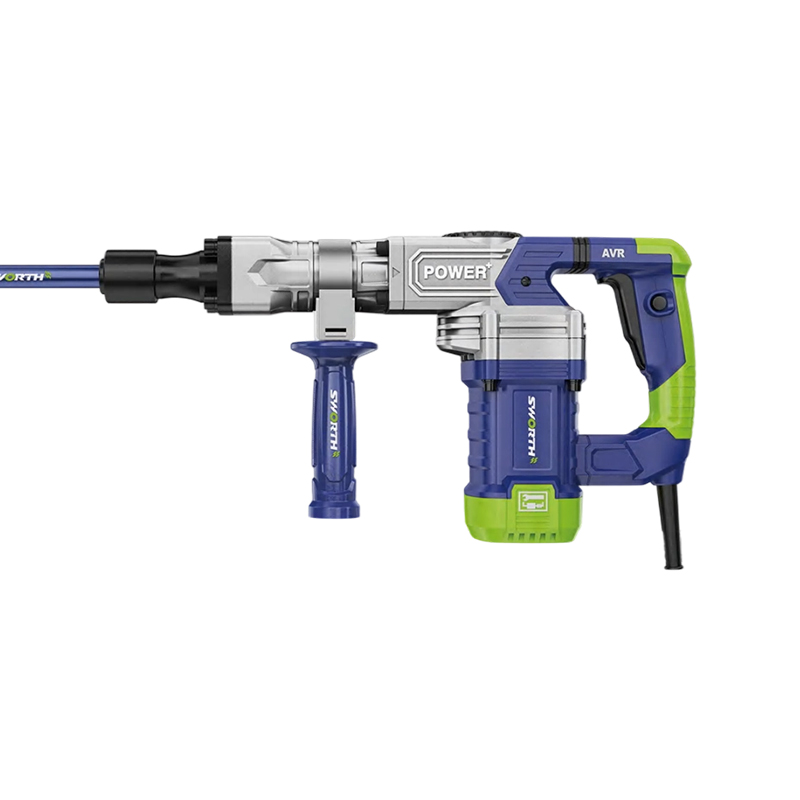
SW35S1 Powerful Demolition Hammer
-
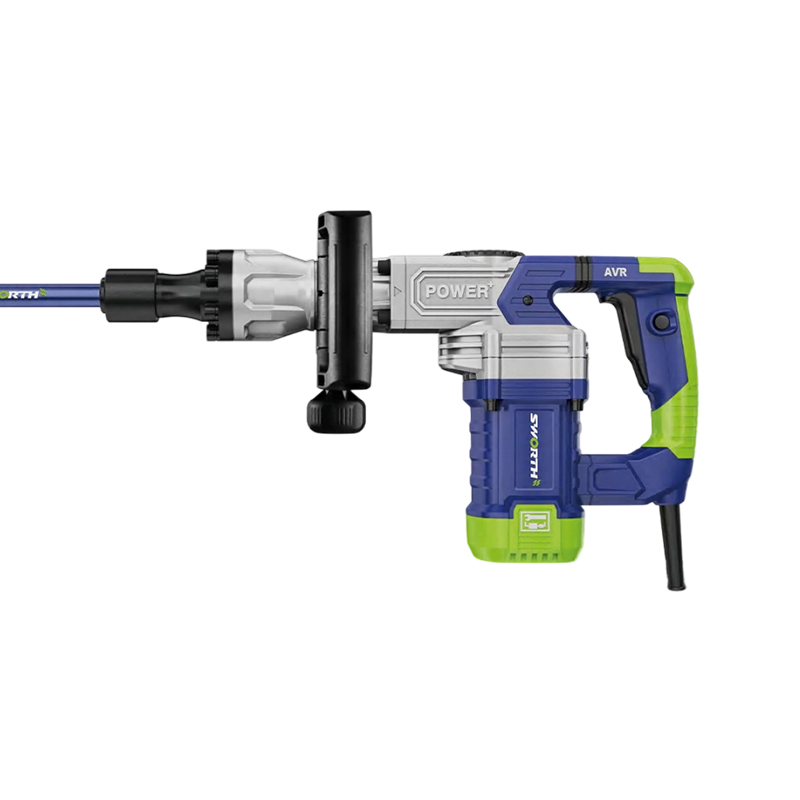
SW35S2 High-Efficiency Heat Dissipation Demolition Hammer
-
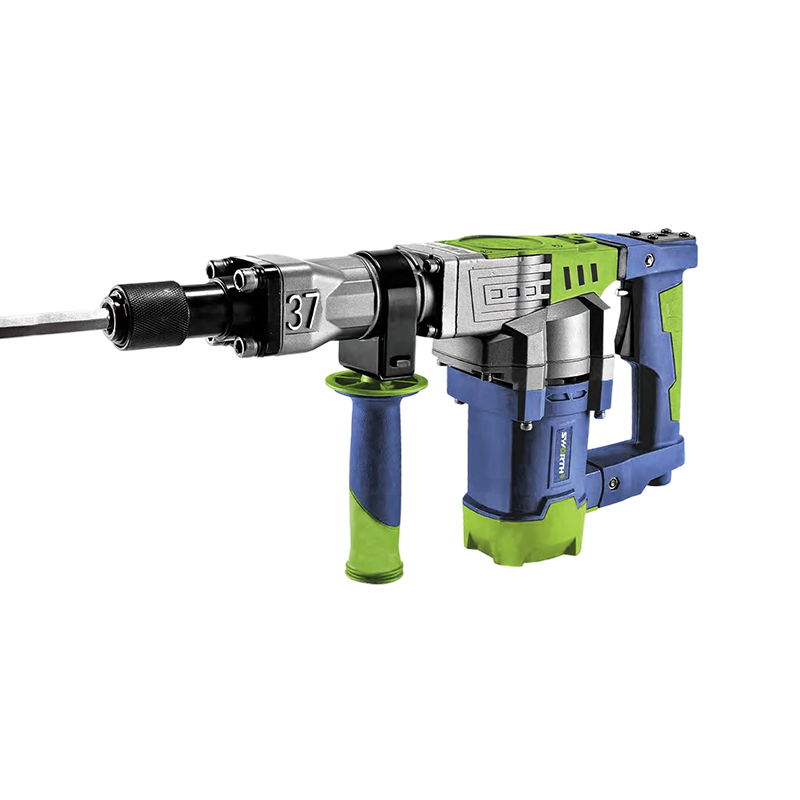
SW9371 High-Power Demolition Hammer
-
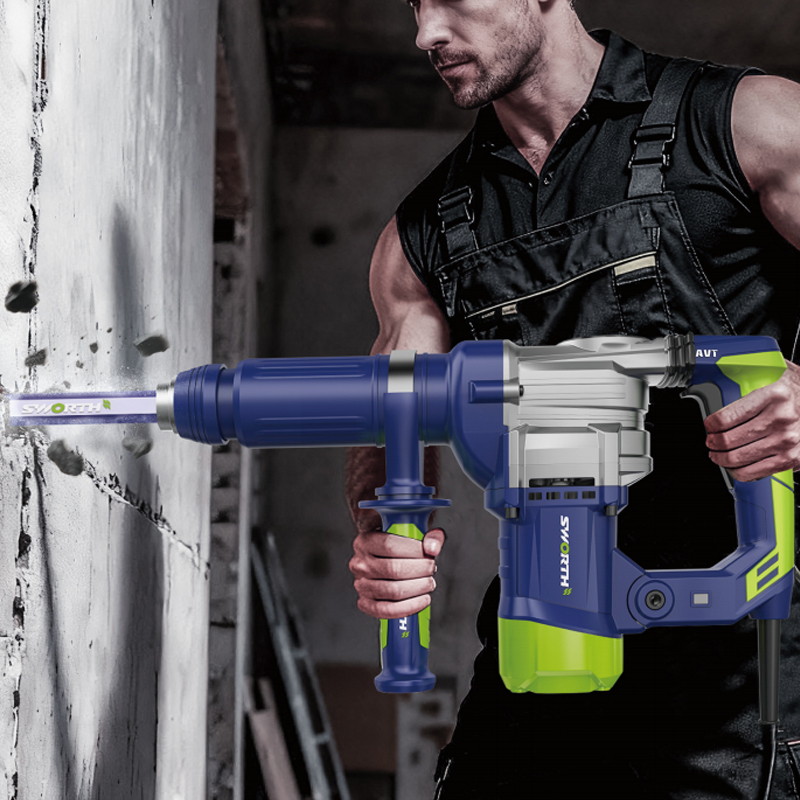
SW9373 Anti-Scalding Carbon Brush Holder Demolition Hammer
-
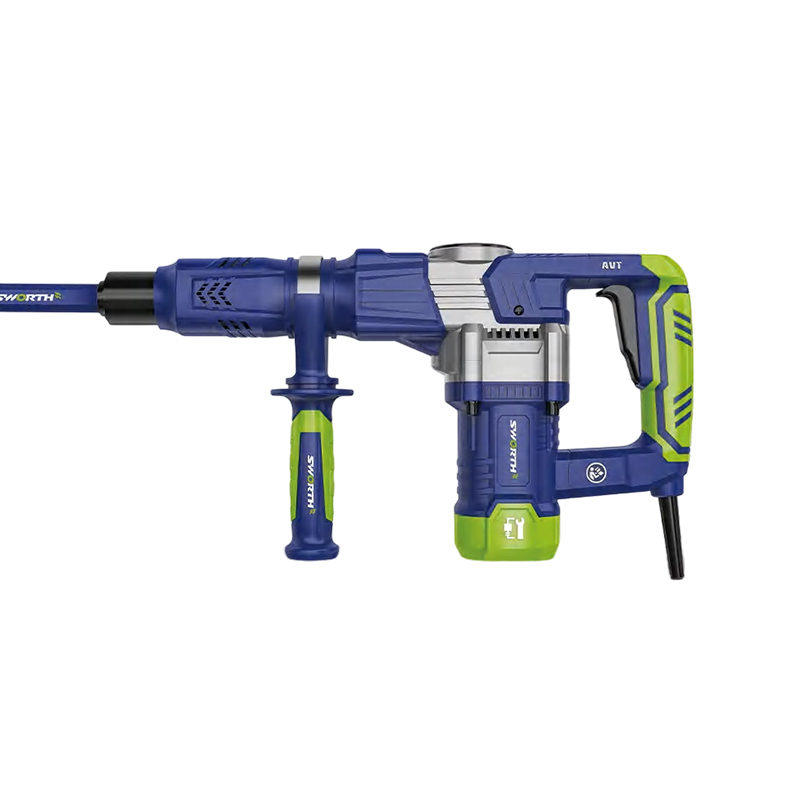
SW535 Powerful Anti-Scalding Demolition Hammer
-
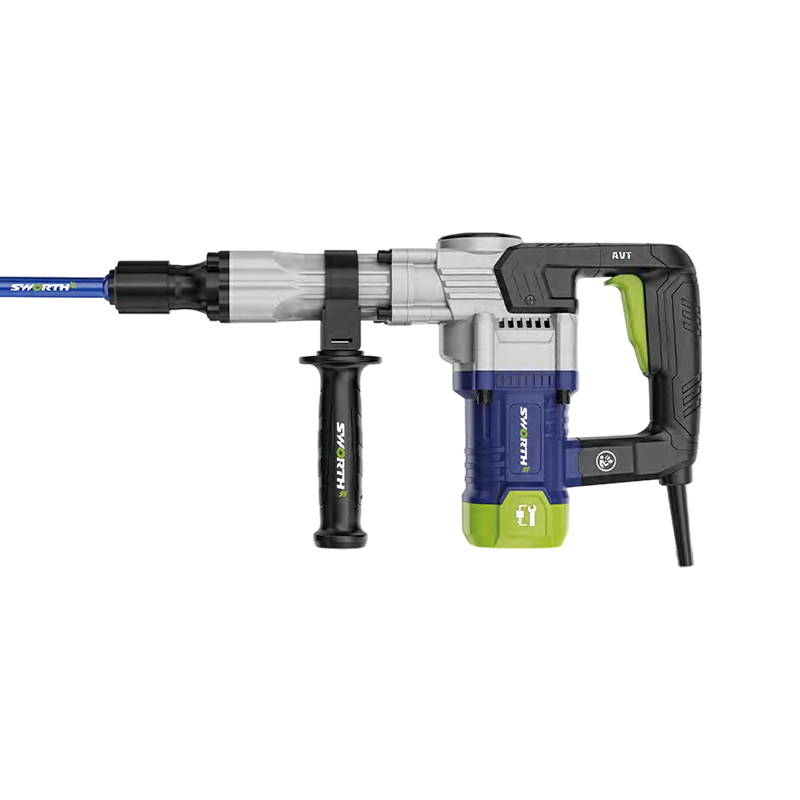
SW535-2 Durable Powerful Demolition Hammer
-
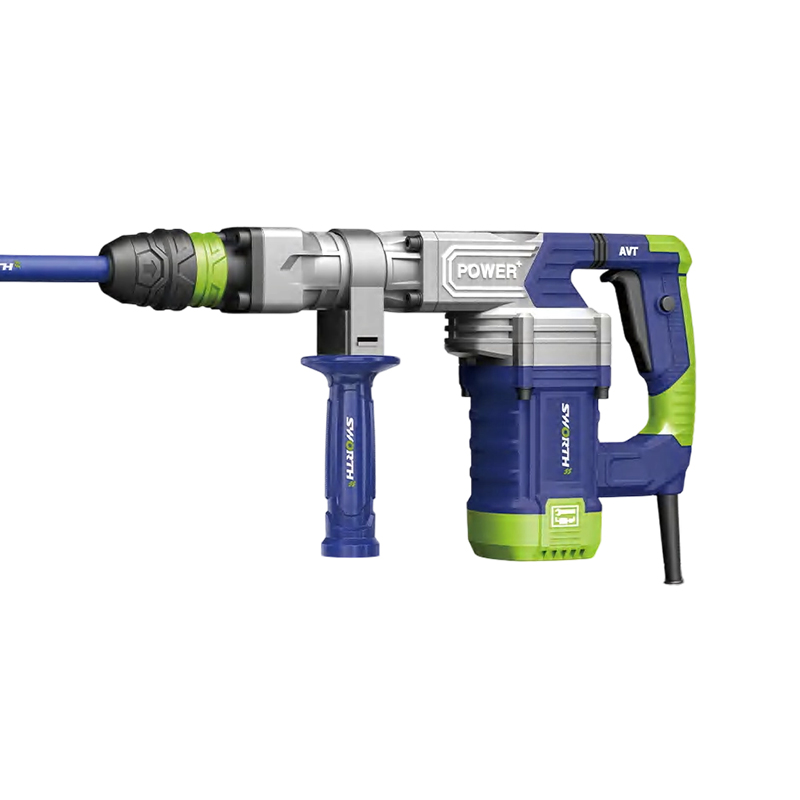
SW35S3 Five-Pipe Drill Bit Demolition Hammer
-

SW11E Five-Pipe Clamping Demolition Hammer
 +86-18314829275
 sale@sworthtools.com
 No. 101, Yugui Road, chengxi Industrial Zone, Yongkang City, Zhejiang Province, China
Copyright© Yongkang Siwei Technology Co., Ltd. All Rights Reserved

Hammer Tools & Cordless Garden Tools Manufacturer
