 English
 русский
 Español

SW9373 Anti-Scalding Demolition Hammer: High-Impact Performance for Professional Concrete Work
Demolition work demands more than raw motor power. A professional demolition hammer must deliver strong and consistent impact energy, maintain stable performance under heavy loads, protect the operator from excessive vibration and heat, and remain reliable throughout demanding construction projects. The SW9373 Anti-Scalding Carbon Brush Holder Demolition Hammer is designed around these practical requirements. With a 1580W motor, a rated impact speed of 4900 beats per minute, and an impact energy of 28J, it is engineered for serious breaking, chiseling, and material-removal applications.
This demolition hammer combines several structural improvements in one machine. Its vented oil cap helps release internal pressure and reduce the possibility of oil leakage during high-load operation. Its 35mm extended cylinder and impact hammer increase impact force by approximately 30 percent compared with the previous internal configuration. The anti-vibration handle uses soft rubber to improve grip comfort, while the anti-scalding front design allows the operator to hold the front barrel more safely when positioning the tool.
Another important improvement is the carbon brush holder system. The enlarged 7×11 carbon brushes and optimized holder structure are intended to support longer service life and more dependable electrical contact. A power indicator light provides a quick visual confirmation of operating status, and the large switch is designed to make extended pressing and holding more comfortable.
Manufactured by Yongkang Siwei Technology Co., Ltd., a professional tool producer integrating research and development, production, and sales, the SW9373 reflects a practical approach to power-tool design. It is not simply a high-powered hammer. It is a complete demolition solution that considers impact transmission, lubrication, operator control, thermal protection, electrical durability, and long-term maintainability.
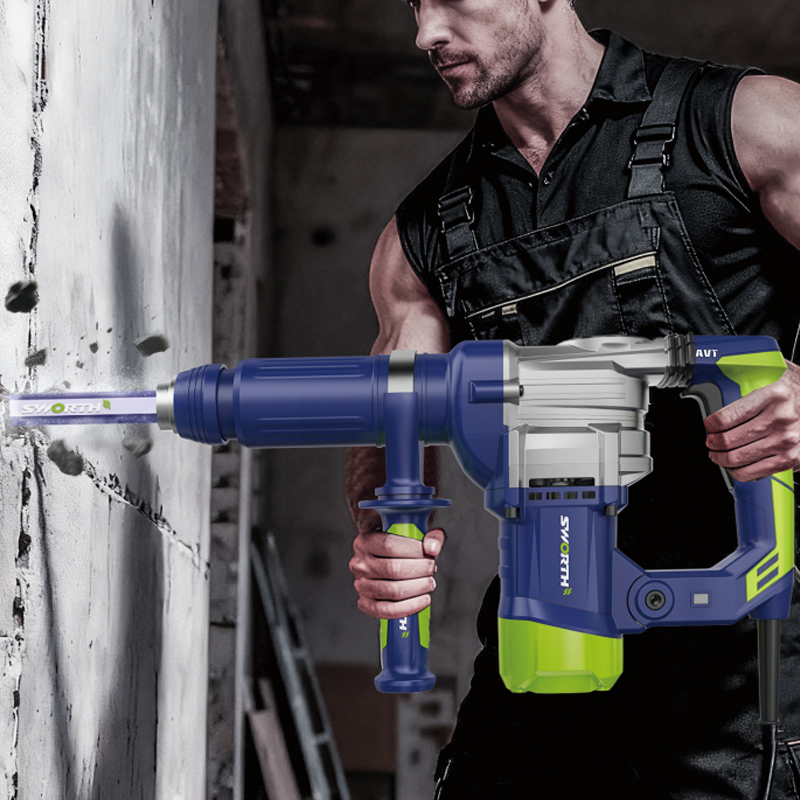
SW9373 Anti-Scalding Carbon Brush Holder Demolition Hammer
1. The Role of a Professional Demolition Hammer
Demolition hammers are specialized power tools used to break, remove, and reshape hard materials. Unlike rotary hammers, which are commonly used for drilling and lighter chiseling, demolition hammers are primarily designed to transfer concentrated impact energy through a chisel. Typical applications include breaking concrete slabs, removing masonry, opening channels in walls, cutting through old floor structures, removing tile beds, and carrying out renovation or infrastructure work.
In professional environments, demolition efficiency depends on more than the rated wattage printed on the product label. The internal impact mechanism must convert motor rotation into repeated linear blows with minimal energy loss. The cylinder, piston, impact hammer, seals, lubrication system, and housing must work together under substantial mechanical stress. If any of these parts are poorly matched, the tool may suffer from reduced impact, overheating, oil leakage, excessive vibration, or premature wear.
The SW9373 addresses these concerns through a combination of high input power, an extended 35mm cylinder and impact hammer, improved lubrication ventilation, reinforced carbon brush support, and ergonomic control features. This combination gives contractors a tool intended for demanding work rather than occasional light-duty use.
Professional users also need a demolition tool that is predictable. A predictable tool starts smoothly, maintains a stable impact rhythm, allows accurate chisel positioning, and gives the operator enough control to work for longer periods without unnecessary fatigue. The SW9373’s soft-rubber anti-vibration handle, large switch, power indicator, and heat-resistant front structure all contribute to this objective.
2. Core Technical Specifications
The following specifications define the principal operating characteristics of the SW9373 demolition hammer.
| Specification | Value | Practical Significance |
|---|---|---|
| Rated voltage | 220–240V, 50/60Hz | Suitable for compatible single-phase electrical systems within this range. |
| Power input | 1580W | Provides a strong electrical power base for demanding impact work. |
| No-load impact speed | 4900 bpm | Supports rapid repeated blows for efficient material removal. |
| Impact energy | 28J | Delivers substantial force for concrete, masonry, and heavy demolition tasks. |
| Stator dimensions | Ø73 × 48H | Indicates the size of the motor’s stationary magnetic assembly. |
| Rotor dimensions | Ø44 × 48H | Supports the motor’s electromagnetic conversion and rotational output. |
| Cylinder and impact hammer | 35mm extended design | Improves the internal impact stroke and increases stated impact force by approximately 30%. |
| Carbon brush size | 7 × 11 | Provides an enlarged contact component for improved durability. |
Specifications should always be considered together. For example, a high impact rate is useful only when the impact mechanism can sustain that rate without excessive heat or rapid component wear. Similarly, a powerful motor requires suitable ventilation, lubrication, brush support, and housing strength. The SW9373 is designed as an integrated system in which these elements support one another.
3. 28J Impact Energy for Serious Demolition
The SW9373 provides a stated impact energy of 28J. Impact energy represents the amount of mechanical energy transferred through each blow, although actual performance also depends on the chisel, material, operator technique, and working angle. A high impact value is particularly useful when the tool must break dense concrete, remove thick masonry, or loosen firmly bonded construction material.
For demolition contractors, impact energy affects productivity in several ways. A stronger blow can create deeper cracks in hard material, reduce the time required to open a section, and allow the operator to use a more suitable chisel position. It can also reduce the need for repeated repositioning when working on reinforced or heavily compacted surfaces.
The 28J rating places the SW9373 in a class intended for substantial breaking work rather than light surface removal. It is appropriate for tasks such as concrete floor demolition, wall channeling, foundation repair, old pavement removal, masonry dismantling, and heavy renovation work. The machine can also be used for chiseling and material separation when fitted with a compatible accessory.
Impact energy must be managed responsibly. Operators should allow the hammer to work through its own percussion system instead of forcing the machine downward with excessive body weight. Excessive pressure can reduce the tool’s ability to strike efficiently, increase heat generation, and place unnecessary stress on the chisel and internal components. A professional technique uses firm guidance, correct alignment, and sufficient time for the impact mechanism to break the material.
Why Impact Energy Matters in Material Removal
Concrete and masonry are brittle materials, but they can be extremely resistant to concentrated mechanical force. A demolition hammer works by creating repeated stress waves through the chisel. When the stress exceeds the material’s local strength, cracks develop and expand. The operator then moves the tool along the weakened area until the section is separated.
The SW9373’s combination of 28J impact energy and 4900 beats per minute provides both force and repetition. The high individual blow energy helps initiate cracks, while the rapid impact cycle helps continue the breaking process. This balance is valuable when the work changes between large structural sections and smaller areas requiring controlled removal.
4. Extended 35mm Cylinder and Impact Hammer
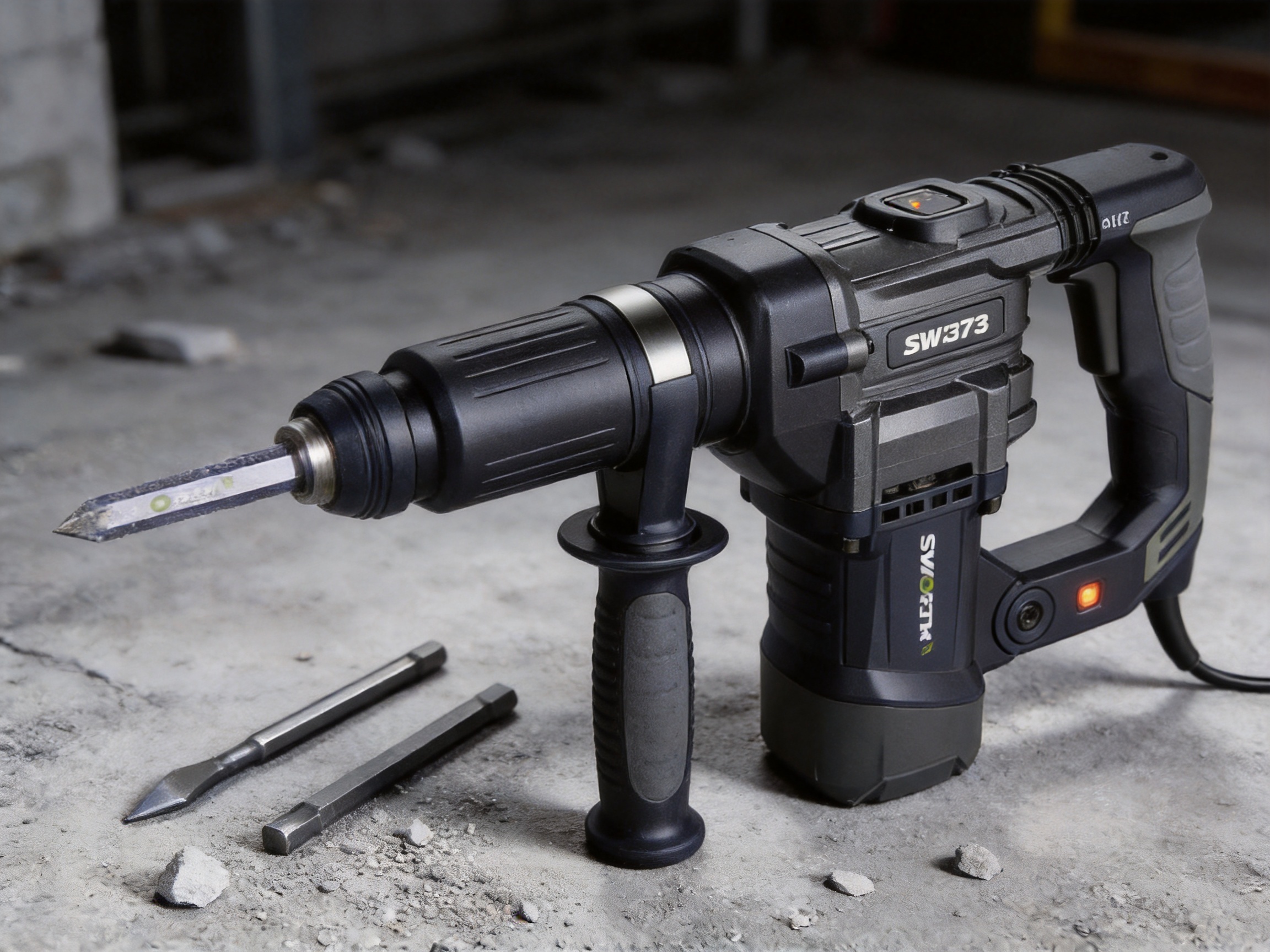
One of the key internal upgrades in the SW9373 is the 35mm extended cylinder and impact hammer. According to the product specifications, this configuration increases overall impact force by approximately 30 percent. The extended internal arrangement is designed to improve the movement and energy transfer of the percussion assembly.
Inside an electric demolition hammer, the motor drives a mechanical system that creates reciprocating movement. The piston moves within the cylinder, compressing air and transferring force to the impact hammer. The impact hammer then strikes the shank of the chisel. The efficiency of this process depends on the stroke length, air compression, component alignment, seal condition, and material strength of the moving parts.
An extended cylinder and impact hammer can help create a more effective impact path. When the internal dimensions and movement are properly matched, more of the motor’s available energy can be transferred to the tool accessory instead of being lost through inefficient motion, vibration, or friction. This is especially important in heavy demolition, where the mechanism is repeatedly exposed to high mechanical loads.
The approximately 30 percent increase in impact force is a meaningful advantage over a previous or less optimized design. It can help the operator break material faster and reduce the number of times the chisel must be placed on the same point. Faster removal can improve labor productivity, especially on projects involving large concrete surfaces, thick walls, or extensive renovation areas.
Benefits for Contractors and Rental Users
For contractors, improved impact force can shorten the active demolition phase of a project. This may help reduce equipment operating time and support more predictable scheduling. For tool rental businesses, a durable and productive model can be attractive because customers often judge rental equipment by how quickly it completes difficult work.
The internal upgrade is also relevant to users who work in changing conditions. A demolition hammer may be used on concrete, brick, stone, mortar, tile adhesive, and other materials during the same project. A stronger percussion system gives the operator greater flexibility when material density changes.
As with any high-impact tool, the accessory must match the application. Point chisels are useful for initiating cracks and penetrating hard areas. Flat chisels are suitable for splitting and shaping. Tile or scaling chisels may be more appropriate for surface removal. Using the correct chisel helps convert the machine’s impact energy into productive work and reduces unnecessary wear.
5. Vented Oil Cap for Improved Lubrication Management
Lubrication is essential in a high-impact demolition hammer. The internal piston, cylinder, gears, bearings, and other moving parts experience repeated friction and mechanical stress. Proper oil or grease helps reduce wear, control heat, and preserve smooth movement. However, heavy operation can also raise pressure inside the housing. If pressure is not managed, it may contribute to oil leakage around seals or joints.
The SW9373 uses an oil cap with a breather hole. This vented design is intended to release internal pressure during high-load operation and reduce the possibility of oil leakage. It is a small structural detail with an important practical purpose. A cleaner lubrication system can help protect the work area, reduce maintenance concerns, and support more consistent internal operation.
Oil leakage can create several problems. It may contaminate the tool housing, attract dust, affect the user’s grip, and reduce the quantity of lubricant available to the impact mechanism. In construction environments, dust and abrasive particles are common, so preventing unnecessary leakage is valuable for both cleanliness and equipment protection.
The vented oil cap does not eliminate the need for maintenance. Operators should still inspect the tool regularly, follow the recommended lubrication procedure, and avoid opening the oil system while the machine is hot or connected to power. If unusual leakage, smoke, abnormal noise, or a change in impact performance occurs, the tool should be removed from service and inspected by a qualified technician.
How Pressure Management Supports Service Life
When internal pressure is controlled, seals and joints are less likely to experience unnecessary stress. Stable pressure can also help the lubricant remain in its intended area. This supports the movement of the impact mechanism and reduces the risk of dry operation.
From a manufacturing perspective, an effective oil-cap design requires attention to the cap material, thread accuracy, sealing surface, vent geometry, and assembly process. A breather hole must release pressure without becoming an easy route for contamination. This is why small components can reflect the quality of the overall design and production system.
6. Anti-Scalding Front Design
High-impact demolition generates heat. Heat can come from the motor, gears, bearings, friction surfaces, and repeated percussion. The front barrel is positioned close to the impact mechanism and may become hot during extended operation. The SW9373 incorporates an anti-scalding design at the front so that the operator can hold the front barrel more safely when guiding the machine.
This feature improves practical control. Demolition work often requires the operator to change the angle of the hammer, align the chisel with a marked section, or stabilize the tool while starting a crack. A front grip area that is designed to reduce heat exposure can make these adjustments more comfortable and safer.
The anti-scalding structure should be used together with appropriate protective equipment. Operators should wear suitable work gloves, safety glasses or a face shield, hearing protection, protective footwear, and clothing appropriate for construction conditions. The front area may still become warm, and users should avoid touching exposed metal components immediately after prolonged operation.
Compared with a basic demolition hammer that offers only a rear handle, a front area designed for safer contact can provide better balance and control. This is especially useful when working on walls, floors, corners, and irregular surfaces where the operator needs to guide the chisel precisely.
7. Soft-Rubber Anti-Vibration Handle
Repeated impact creates vibration that travels through the housing and into the operator’s hands and arms. Excessive vibration can cause discomfort, reduce control, and make long work sessions more tiring. The SW9373 uses a shock-absorbing handle with a soft-rubber exterior. The handle is designed to reduce the sensation of vibration while providing a non-slip grip.
Soft rubber offers several practical benefits. Its surface can improve traction when the user is wearing work gloves. It can also reduce the likelihood of the hands sliding during demanding operation. The cushioned material gives the operator a more comfortable contact surface and may help reduce numbness during extended use.
Handle comfort is directly connected with productivity. When the grip is secure and comfortable, the operator can maintain a more consistent working position. Better control can help prevent the chisel from wandering across the material, which is particularly important when opening narrow channels or removing material near edges.
The handle does not remove all vibration. High-impact equipment should be used with proper technique, regular breaks, and suitable personal protection. Operators should avoid gripping the tool more tightly than necessary, because excessive gripping can increase fatigue. The best practice is to maintain firm control while allowing the handle’s shock-absorbing structure to perform its function.
Large Switch for Extended Operation
The SW9373 includes a large-sized switch designed for comfortable pressing and holding. A small or poorly positioned switch can be difficult to operate while wearing gloves. It may also force the operator to change grip position, creating unnecessary hand strain during long demolition sessions.
A large switch provides a broader contact surface for the finger or thumb. This can make starting and stopping the tool easier and improve control during repetitive work. The switch design is particularly useful on construction sites where users may be wearing thick gloves or where dust makes small controls difficult to identify by touch.
The operator should always release the switch and disconnect the tool from the power source before changing chisels, inspecting the front assembly, cleaning the machine, or performing maintenance. A convenient switch improves operation, but safe electrical procedures remain essential.
8. Enlarged 7×11 Carbon Brushes and Optimized Holder Structure
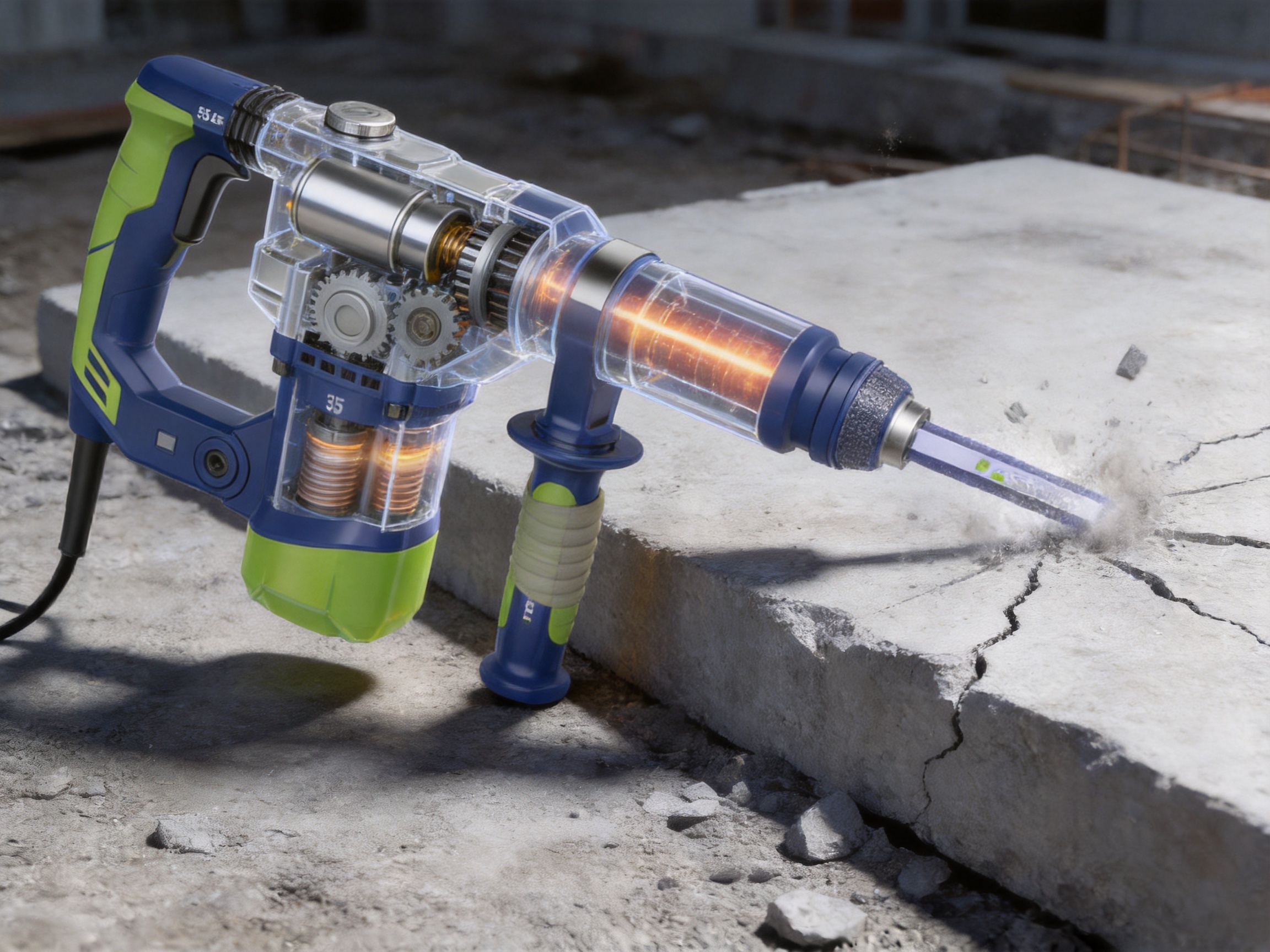
The SW9373 uses an optimized carbon brush holder structure with enlarged 7×11 carbon brushes. In a brushed electric motor, carbon brushes transfer electrical current to the rotating commutator. They operate under continuous friction and gradually wear over time. Their dimensions, alignment, contact pressure, and holder stability all influence motor reliability.
Enlarged carbon brushes can provide a greater contact area and may support longer working life under suitable operating conditions. A larger brush can also help maintain stable electrical contact as the motor operates under load. The holder structure is equally important because the brush must move correctly as it wears while remaining aligned with the commutator.
An improved brush holder can reduce the risk of uneven contact, excessive arcing, and premature brush damage. It can also make maintenance more predictable. When brushes eventually reach their service limit, they should be replaced with compatible components by a trained technician or according to the manufacturer’s service procedure.
Carbon brushes are a practical choice for many high-power corded tools because they can provide strong motor output and relatively straightforward serviceability. Unlike a brushless system, a brushed motor requires periodic inspection and eventual brush replacement. However, a well-designed brush holder, suitable brush size, and quality assembly can support dependable performance across demanding working conditions.
Brush Maintenance and Electrical Reliability
Operators should watch for signs of brush wear, including intermittent operation, unusual sparking, loss of power, burning odor, or visible damage around the brush access area. The tool should not be used if the electrical cord, plug, housing, or switch is damaged.
Manufacturing consistency is important for brush systems. The brush holder must be installed in the correct position, the contact surfaces must be clean, and the motor components must be aligned accurately. Quality control at these stages helps ensure that the electrical system performs consistently from one unit to the next.
9. Power Indicator Light for Clear Status Monitoring
The power indicator light gives the operator a quick visual reference that the tool is connected to a power supply and ready for operation. This simple feature is useful on busy job sites where multiple tools may be connected to extension equipment or where the operator needs to confirm the machine’s status before beginning work.
A visible indicator can also support basic troubleshooting. If the tool is connected correctly but the indicator does not operate, the user may check the power source, plug, cord, or switch before beginning demolition. If the indicator is active but the motor does not run, the tool should be inspected rather than repeatedly switched on and off.
The indicator is not a substitute for electrical testing or service diagnosis. It provides a convenient status signal, but all safety checks should be performed with the tool disconnected from power.
10. Advantages Over Basic Competitor Designs
The SW9373 offers several advantages compared with entry-level demolition hammers that focus mainly on motor wattage. Its design considers the entire working system rather than one headline specification.
First, the 28J impact rating and 35mm extended cylinder provide a strong percussion foundation. Some competing tools may advertise high electrical input but provide less effective impact transfer. For demolition work, usable impact energy is often more relevant than wattage alone. A tool that converts electrical power into productive blows can complete work more efficiently than one that simply consumes more power.
Second, the vented oil cap addresses a common concern in high-load tools: internal pressure and lubricant leakage. A basic sealed cap may not manage pressure as effectively during long periods of operation. By incorporating a breather hole, the SW9373 is designed to support more stable lubrication behavior.
Third, the anti-scalding front area and soft-rubber anti-vibration handle improve operator interaction. Competitors with hard plastic handles or exposed hot front components may be less comfortable and more difficult to control during long shifts. The SW9373 combines a safer front contact design with a non-slip rear grip and large switch.
Fourth, the enlarged carbon brush and improved holder structure target motor durability. High-impact work places substantial demand on the electrical system. A better-supported brush assembly can help reduce premature contact problems and make wear more manageable.
Finally, the power indicator provides useful operational feedback without adding complexity. It helps the user confirm the basic power state of the tool before starting work.
Performance Must Be Evaluated as a Complete System
Product comparisons should not rely solely on one number. A demolition hammer with a high impact rating but poor vibration control may be difficult to use. A comfortable tool with weak impact may be too slow for professional work. A powerful motor with inadequate lubrication management may require more frequent service.
The SW9373’s competitive advantage comes from combining impact force, structural durability, operator comfort, heat management, and electrical serviceability. These features are mutually supportive. Strong impact improves productivity, while the handle and front design help the operator use that power with greater control. The oil-cap and brush-holder improvements help protect the mechanism and motor during repeated operation.
11. Applications and Recommended Work Scenarios
The SW9373 is suitable for a range of professional construction, renovation, and maintenance applications. Its high impact energy makes it appropriate for heavy material removal where a smaller hammer would require excessive time.
Concrete Floor and Slab Removal
When removing damaged concrete floors, old foundations, or sections of pavement, the operator can use a pointed chisel to initiate cracks and then switch to a flat chisel for separation and cleanup. The 28J impact energy helps penetrate dense material, while the front grip assists with positioning.
Masonry and Brick Demolition
The hammer can be used to dismantle brickwork, mortar joints, block walls, and other masonry structures. Controlled chisel placement is important near corners and load-bearing sections. The operator should follow the project’s engineering and safety procedures before removing any structural material.
Renovation and Remodeling
During renovation, contractors may need to remove tile beds, plaster, hardened adhesive, wall channels, or old screed. The SW9373 provides the power required for difficult sections, while appropriate chisels can help manage more controlled surface work.
Pipe and Cable Channeling
A demolition hammer can create channels for pipes, wiring, drainage systems, and other building services. The operator should mark the route clearly and verify that no hidden electrical, gas, water, or structural systems are present before chiseling.
Industrial Maintenance
Maintenance crews may use a heavy demolition hammer for removing refractory material, breaking worn concrete bases, loosening construction buildup, or dismantling non-operational structures. In industrial environments, operators should consider dust control, noise exposure, confined-space requirements, and site-specific isolation procedures.
12. Manufacturing Strengths of Yongkang Siwei Technology Co., Ltd.
Yongkang Siwei Technology Co., Ltd. is presented as a professional tool manufacturer integrating research and development, production, and sales. This integrated structure can provide important advantages in product development and quality management. When engineering, manufacturing, and market feedback are connected, product improvements can be based on actual user requirements rather than isolated design assumptions.
The company follows the working concept of “Focus on Professionalism, Quality First.” Its product approach emphasizes durable materials, practical structures, and performance in harsh working conditions. For demolition equipment, this focus is especially relevant because the tools are exposed to impact, dust, heat, vibration, and long operating cycles.
The company specializes in demolition hammers and chisel-cutting tools. This specialization allows its product teams to concentrate on the mechanical systems that determine demolition performance, including impact assemblies, cylinders, hammer components, housings, handles, lubrication systems, and carbon-brush structures.
Research and Development Orientation
Research and development is important in high-impact tools because small changes can have a significant effect on energy transfer and service life. The SW9373’s extended cylinder, impact hammer configuration, vented oil cap, anti-scalding front, and carbon brush holder reflect a design process focused on practical improvements.
Rather than treating the demolition hammer as a simple motorized device, the company’s engineering approach addresses the complete user experience. The objective is to create a tool that produces strong blows, withstands demanding conditions, and remains manageable for the operator.
The company has also developed expertise in high-efficiency brushless motors, electronic controls, and intelligent battery platforms since 2024. Although the SW9373 is a corded brushed demolition hammer, this wider technical experience demonstrates an ability to work across different motor and control architectures. It also supports the company’s expansion into cordless garden equipment and green new-energy technologies.
Production and Process Control
Reliable demolition tools depend on process consistency. Motor components must be produced within suitable dimensional tolerances. Rotors and stators must be matched correctly. The impact cylinder and hammer must be aligned. The oil cap, seals, brush holder, switch, and housing must be assembled correctly. Each step affects the final tool.
An integrated manufacturer can coordinate these production stages more effectively. Design engineers can communicate directly with manufacturing teams about assembly practicality, component availability, inspection points, and service requirements. Production feedback can then be used to refine future designs.
Quality-first manufacturing also requires attention to incoming materials, component inspection, assembly accuracy, functional testing, and finished-product evaluation. For a tool exposed to repeated impact, inspection should focus not only on whether the motor runs, but also on whether the tool maintains stable operation, acceptable noise, proper switch response, correct indicator function, and secure housing assembly.
Material Selection and Durability
Demolition equipment must use materials capable of handling repeated mechanical stress. The housing needs suitable strength and impact resistance. The front barrel must tolerate heat and vibration. Internal moving parts require appropriate hardness, surface finish, and dimensional stability. The handle material must provide grip and resilience.
The company’s stated emphasis on high-quality materials is therefore directly related to product performance. Durable materials can reduce the risk of deformation, premature cracking, and accelerated wear. They also help the tool maintain its functional geometry during repeated operation.
Customer and Project Support
As a manufacturer supplying domestic and international markets, Yongkang Siwei Technology Co., Ltd. is positioned to support professional engineering projects and tool-distribution customers. A manufacturer’s value is not limited to the initial product. It also includes communication, specification support, replacement-part coordination, technical feedback, and the ability to adapt products for different market requirements.
The company’s product range includes demolition tools as well as cordless garden equipment such as lithium-ion lawn mowers, string trimmers, lawn tractors, hedge trimmers, electric pruning shears, and high-speed chainsaws. This broader portfolio indicates experience serving both construction professionals and garden-tool users with different performance and ergonomic expectations.
13. Safe and Efficient Operating Practices
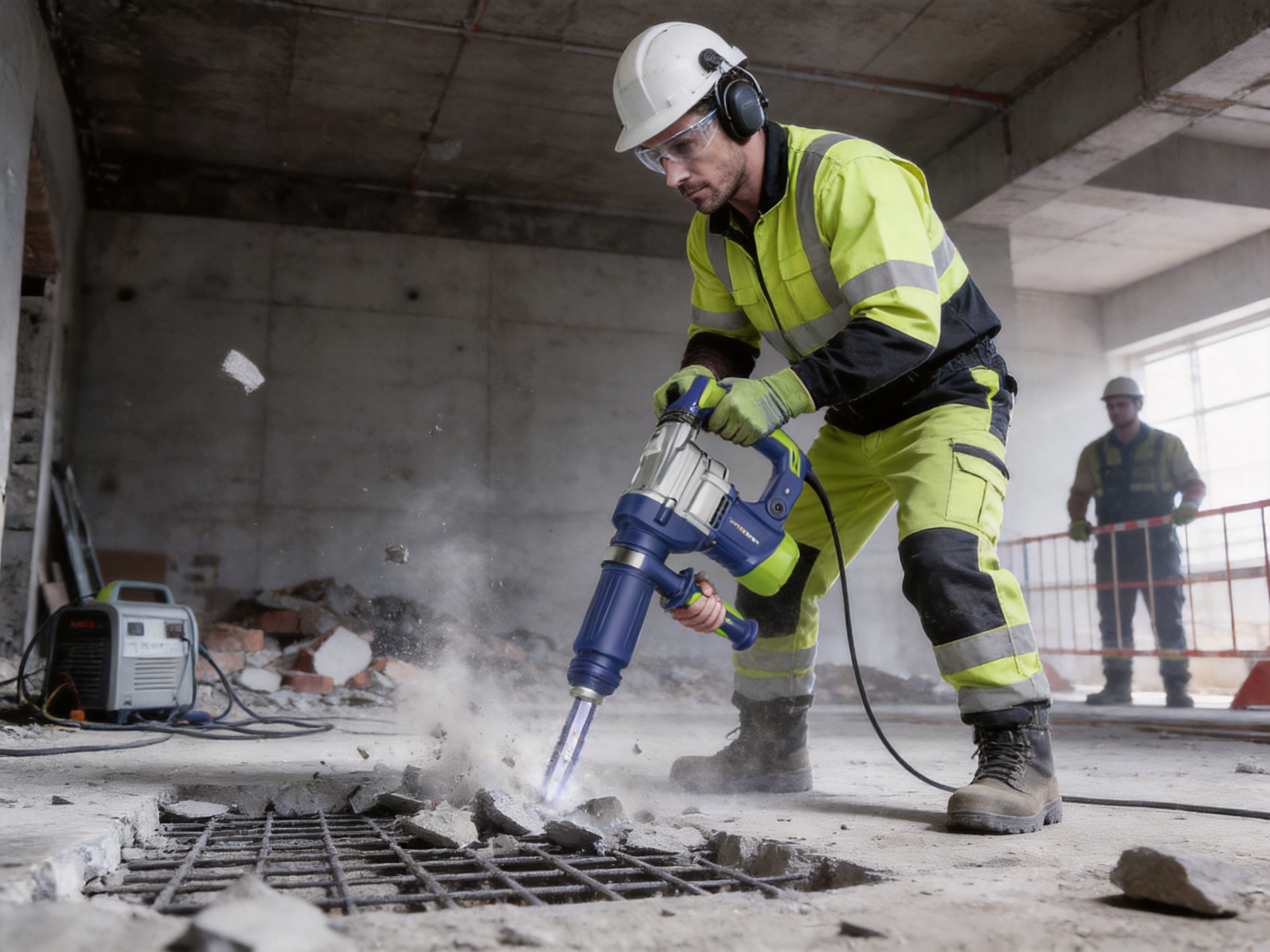
Before using the SW9373, inspect the power cord, plug, switch, housing, front barrel, chisel holder, and handle. Do not operate the tool if any part is cracked, loose, damaged, or excessively worn. Confirm that the electrical supply is compatible with the rated 220–240V, 50/60Hz specification.
Always disconnect the tool from power before installing or removing a chisel. Use only compatible accessories that are rated for the hammer’s impact energy. Inspect chisels for cracks, mushroomed ends, bending, or excessive wear. A damaged accessory can reduce performance and create a safety hazard.
Wear safety glasses or a face shield because concrete and masonry fragments can be ejected at high speed. Use hearing protection because demolition hammers generate substantial noise. Wear gloves that provide grip without limiting control, and use protective footwear suitable for falling debris and uneven surfaces.
Dust can contain hazardous particles, especially when working with old concrete, coatings, tiles, or construction materials. Use suitable dust-control methods and respiratory protection where required by the material and work environment. Keep bystanders away from the breaking area and establish a controlled work zone.
Hold the tool securely with both hands when appropriate. Keep the chisel aligned with the work surface and avoid twisting the hammer during impact. Do not use the machine as a lever unless the accessory and work procedure specifically allow it. Excessive side loading can damage the chisel, front mechanism, or internal impact components.
Take regular breaks during extended operation. If the tool becomes unusually hot, produces abnormal noise, emits smoke, or loses impact strength, stop immediately and disconnect it. Allow the tool to cool and have it inspected if the condition continues.
14. Maintenance Recommendations
Regular maintenance helps preserve demolition performance. After each work session, remove dust and debris from the housing, ventilation areas, switch, handle, and front assembly. Do not use high-pressure air in a way that drives dust deeper into the motor or bearing areas.
Inspect the power cord for cuts, crushed sections, exposed conductors, or damaged strain relief. Check the plug and switch for signs of overheating. Examine the handle for looseness and confirm that the housing fasteners remain secure.
Lubrication should be maintained according to the manufacturer’s instructions. The vented oil cap helps manage internal pressure, but it does not replace correct oil or grease levels. Use only the recommended lubricant and avoid mixing incompatible products.
Carbon brushes should be inspected periodically, especially when the tool is used frequently or under high load. Replace worn or damaged brushes as a matched set when required. The enlarged 7×11 brush configuration is designed for durability, but all brushes are consumable components and will eventually require service.
Store the demolition hammer in a dry, clean location away from corrosive chemicals and excessive moisture. Protect the cord from sharp bends and do not wrap it tightly around the tool. Proper storage reduces damage between projects and helps the machine remain ready for the next operation.
15. Buying Considerations for Professional Users
When selecting a demolition hammer, buyers should evaluate the type and thickness of the material, expected daily operating time, available power supply, accessory system, service requirements, and operator comfort. The SW9373 is particularly suitable for users who need a corded, high-impact tool for heavy demolition rather than a compact drilling and chiseling machine.
The 1580W input provides a substantial power base, but users should also plan for a suitable power circuit and extension cord. Undersized extension equipment can cause voltage drop, reduced performance, and excessive heating. Always select electrical accessories according to the tool’s current requirements and local safety standards.
Impact energy should be matched to the job. A 28J tool may be advantageous for thick concrete and heavy masonry, but it may be more power than necessary for delicate surface work. Contractors who handle both heavy demolition and light chiseling may choose to pair the SW9373 with a smaller rotary hammer or chipping tool for better task-specific flexibility.
Ergonomics should also be considered. The soft-rubber anti-vibration handle, large switch, and anti-scalding front area make the SW9373 suitable for users who expect long operating sessions. A tool that is easier to control can reduce fatigue and support more consistent work quality.
16. Why the SW9373 Is a Practical Professional Choice
The SW9373 is built around the central needs of professional demolition: force, durability, control, and serviceability. Its 28J impact energy and 4900 bpm impact rate provide the performance foundation needed for difficult concrete and masonry work. Its upgraded 35mm cylinder and impact hammer increase stated impact force by approximately 30 percent, helping the tool convert motor output into productive breaking action.
Its practical details further distinguish it from simpler competitors. The vented oil cap is intended to limit pressure-related oil leakage. The anti-scalding front area offers a safer contact point. The soft-rubber handle supports grip comfort and vibration reduction. The large switch improves extended operation. The power indicator offers simple status confirmation. The enlarged carbon brushes and optimized holder structure support motor durability and maintenance planning.
These features are valuable because professional users judge a tool by its performance over time. A demolition hammer must continue working after repeated high-load cycles, not merely deliver strong results during a short demonstration. By addressing mechanical impact, lubrication, electrical contact, temperature, and operator comfort, the SW9373 provides a more complete solution.
Backed by a manufacturer focused on demolition tools, chisel-cutting equipment, advanced motor technologies, and integrated production capabilities, the SW9373 is positioned as a dependable choice for contractors, renovation teams, engineering projects, maintenance departments, and professional tool distributors.
17. Frequently Asked Questions
Q1: What type of tool is the SW9373?
The SW9373 is a corded electric demolition hammer designed for heavy breaking and chiseling applications. It is intended primarily for concrete, masonry, pavement, renovation material, and other hard construction surfaces.
Q2: What is the impact energy of the demolition hammer?
The rated impact energy is 28J. Actual results vary according to the material, chisel type, working angle, and operator technique.
Q3: What is the motor input power?
The rated power input is 1580W. The tool is designed for compatible 220–240V electrical systems operating at 50/60Hz.
Q4: How fast does the hammer operate?
The stated no-load impact speed is 4900 beats per minute. The effective working rate may change under load and according to the material being demolished.
Q5: What is the benefit of the 35mm extended cylinder?
The extended cylinder and impact hammer are designed to improve the internal percussion stroke and energy transfer. The product information states that this upgrade increases overall impact force by approximately 30 percent.
Q6: Does the tool have protection against oil leakage?
The oil cap includes a breather hole that releases internal pressure during high-load operation. This design is intended to reduce pressure-related oil leakage, although correct lubrication and regular maintenance are still necessary.
Q7: Why is the front of the tool designed to resist scalding?
The front area is close to the impact mechanism and can become hot during extended use. The anti-scalding design allows the operator to hold the front barrel more safely when guiding and positioning the tool, although gloves and other protective equipment should still be used.
Q8: How does the handle improve comfort?
The handle uses soft rubber with an anti-slip surface and shock-absorbing properties. It is designed to reduce the sensation of vibration, limit hand numbness, and improve control during extended operation.
Q9: What is the purpose of the enlarged carbon brushes?
The 7×11 carbon brushes provide an enlarged contact component for the brushed motor. Together with the improved brush holder structure, they are intended to support stable electrical contact and enhanced durability.
Q10: Is the SW9373 suitable for light drilling?
The SW9373 is a demolition hammer, not a general-purpose drilling machine. It is optimized for impact chiseling and material removal. Users who require regular drilling should select a rotary hammer or drill designed for that purpose.
Q11: Which users can benefit most from this model?
Professional contractors, renovation teams, engineering crews, maintenance departments, construction companies, and tool-rental providers can benefit from its high-impact performance and durable design. It is most appropriate for users who regularly perform demanding demolition work.
Q12: What safety equipment is recommended?
Recommended protection includes safety glasses or a face shield, hearing protection, work gloves, protective footwear, and suitable respiratory protection when dust or hazardous particles are present. The work area should also be controlled to protect nearby personnel.
Q13: How should the tool be maintained?
Clean the housing and ventilation areas, inspect the cord and switch, check the chisel and front assembly, maintain the correct lubricant level, and inspect carbon brushes according to the service schedule. Disconnect the tool from power before any maintenance activity.
Q14: What distinguishes the manufacturer from a general trading supplier?
Yongkang Siwei Technology Co., Ltd. integrates research and development, production, and sales. Its specialization in demolition hammers and chisel-cutting tools enables focused development of impact mechanisms, ergonomic structures, lubrication systems, and electrical components.
18. Conclusion
The SW9373 Anti-Scalding Carbon Brush Holder Demolition Hammer is designed for users who need dependable high-impact performance in demanding construction and renovation environments. Its 1580W motor, 28J impact energy, 4900 bpm impact rate, and upgraded 35mm cylinder and impact hammer provide the force required for serious demolition work.
The machine’s advantages extend beyond impact strength. Its vented oil cap helps manage internal pressure, its anti-scalding front supports safer handling, and its soft-rubber anti-vibration handle improves grip comfort. The large switch makes extended operation more convenient, while the power indicator simplifies status monitoring. The enlarged 7×11 carbon brushes and optimized holder structure support the durability and serviceability of the brushed motor.
These features reflect a product-development philosophy focused on real job-site requirements. Supported by Yongkang Siwei Technology Co., Ltd.’s experience in professional demolition tools, integrated manufacturing capabilities, and ongoing development of motor and electronic-control technologies, the SW9373 offers a balanced solution for contractors and professional users seeking power, control, and long-term practicality.
References
1. Product technical information supplied for the SW9373 Anti-Scalding Carbon Brush Holder Demolition Hammer.
2. Manufacturer information supplied for Yongkang Siwei Technology Co., Ltd., including company profile, product specialization, and manufacturing capabilities.
3. General engineering principles for electric motor operation, carbon-brush systems, impact mechanisms, and power-tool maintenance.
4. General occupational safety guidance for concrete demolition, masonry removal, vibration exposure, dust control, electrical equipment, and personal protective equipment.
5. General construction-tool selection principles concerning impact energy, chisel compatibility, operator ergonomics, lubrication, and service planning.
Product: SW9373 Anti-Scalding Carbon Brush Holder Demolition Hammer

Recommended Products
-
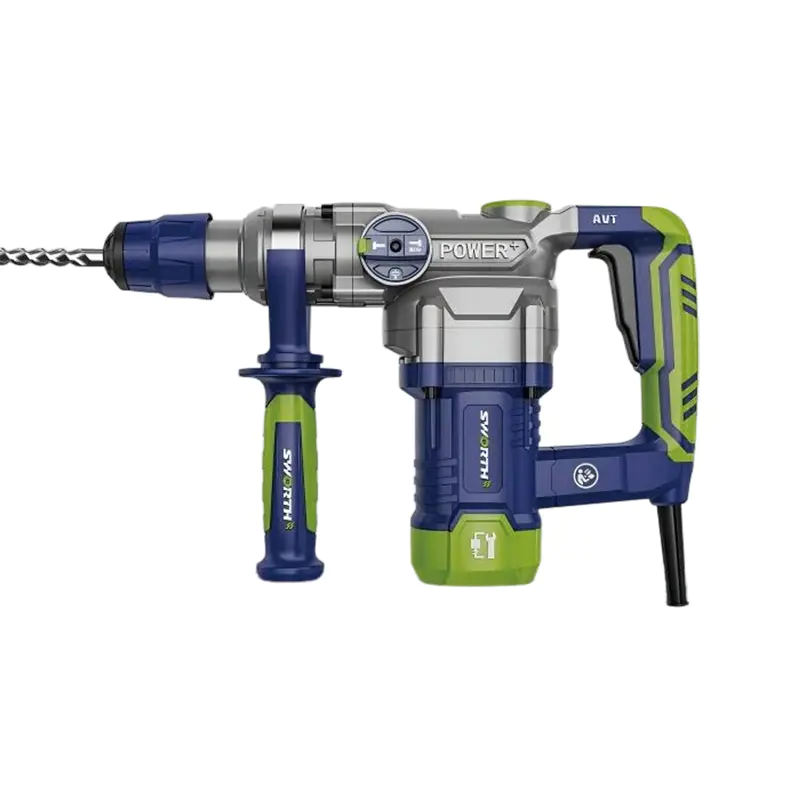


SW528 Small Hole Rebar Hammer
-
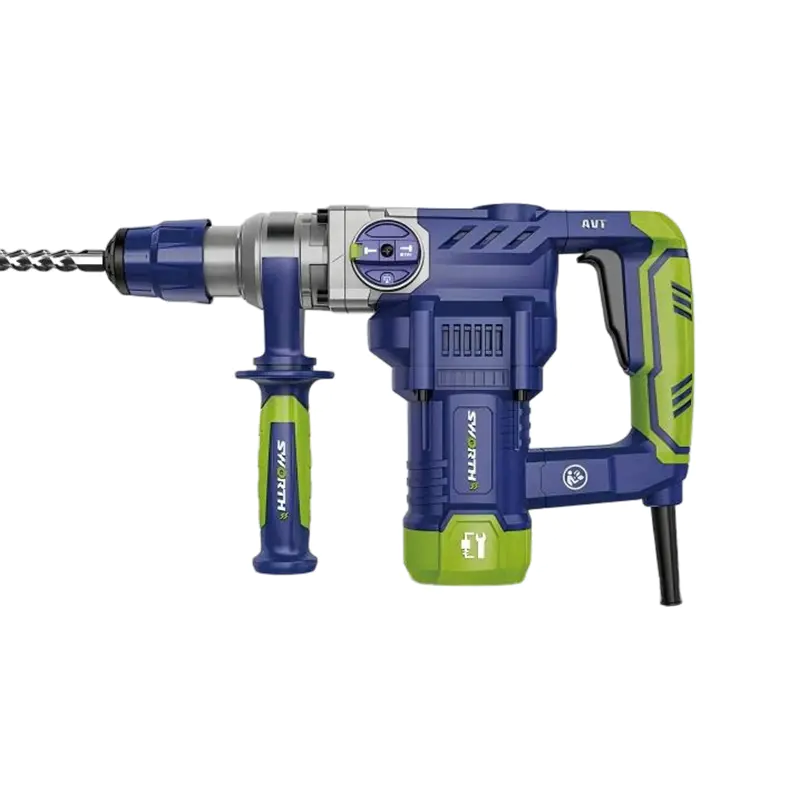
SW932 Groove Sandblasting Hammer
-
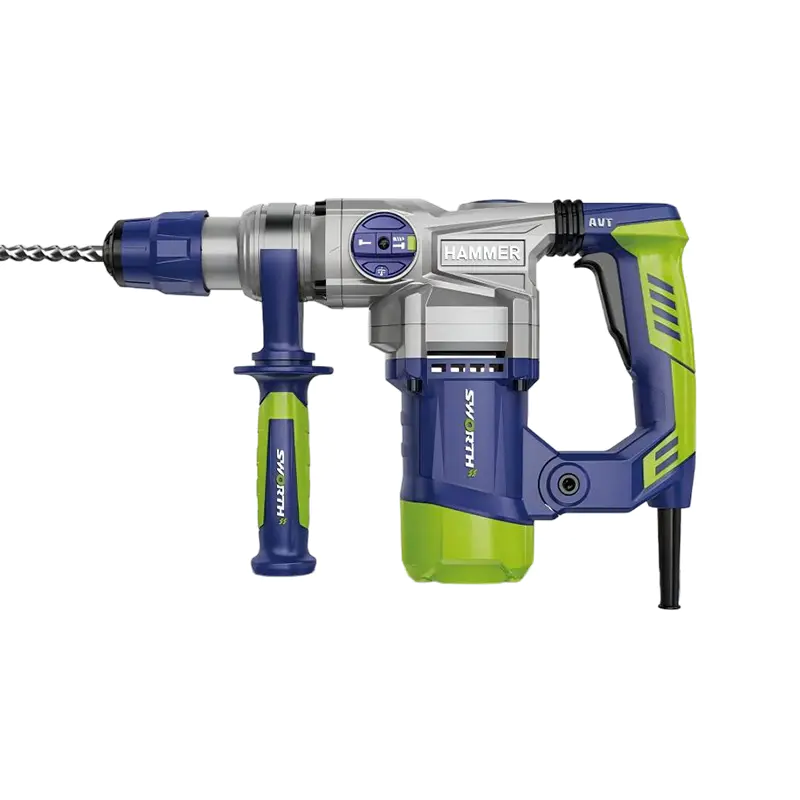
SW9362A Large Hole Rebar Hammer
-
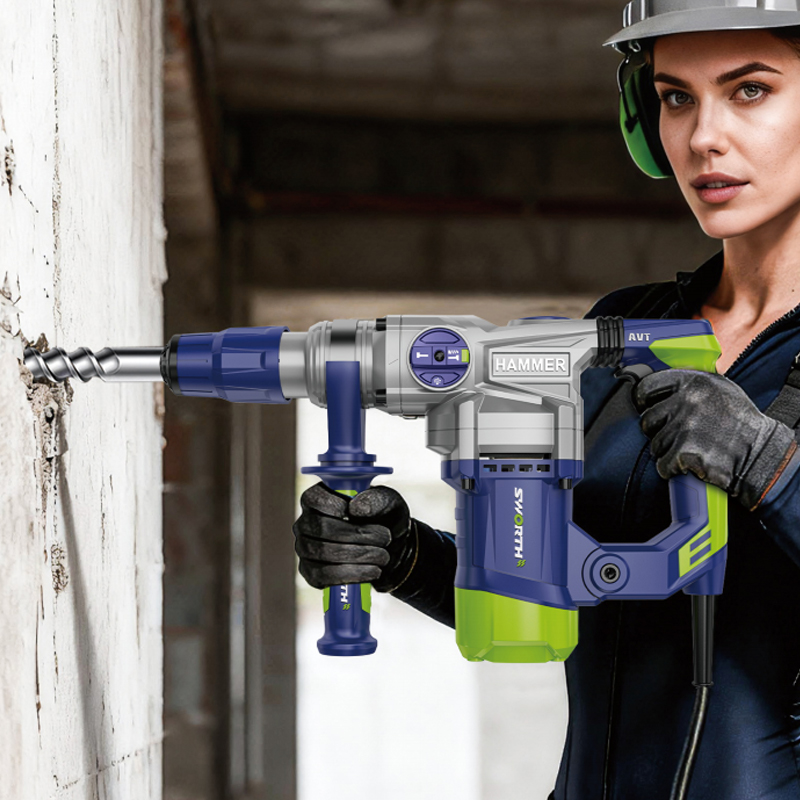
SW940 Enlarged Hole Rebar Hammer
-
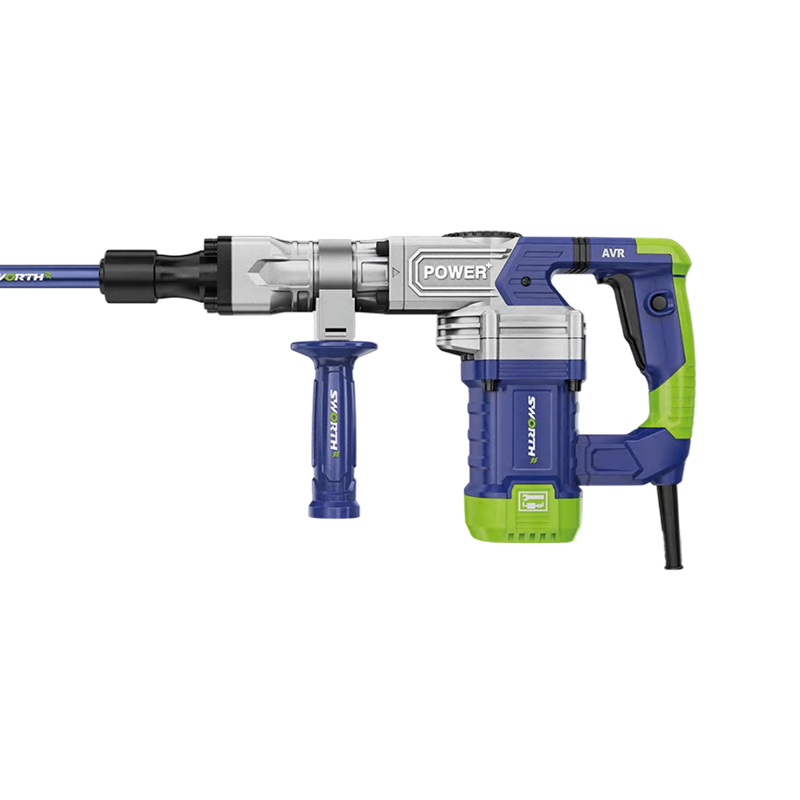
SW35S1 Powerful Demolition Hammer
-
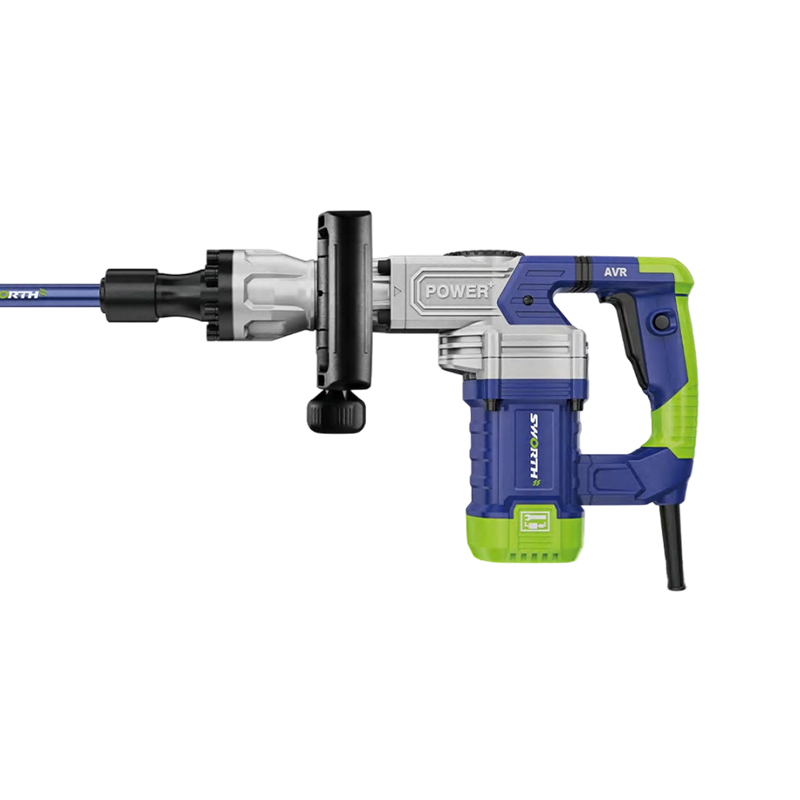
SW35S2 High-Efficiency Heat Dissipation Demolition Hammer
-
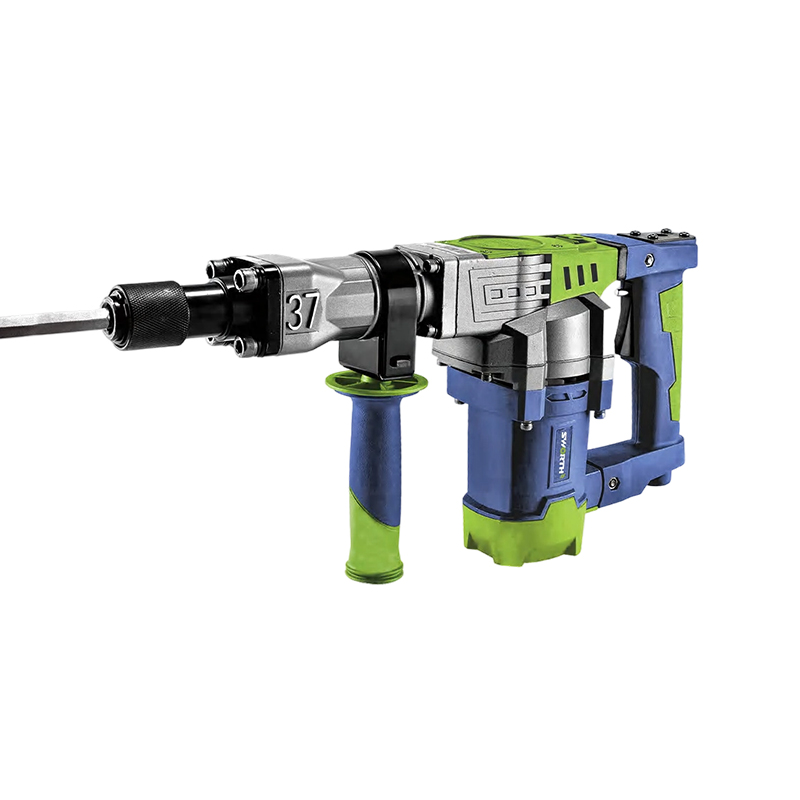
SW9371 High-Power Demolition Hammer
-
SW9373 Anti-Scalding Carbon Brush Holder Demolition Hammer
-
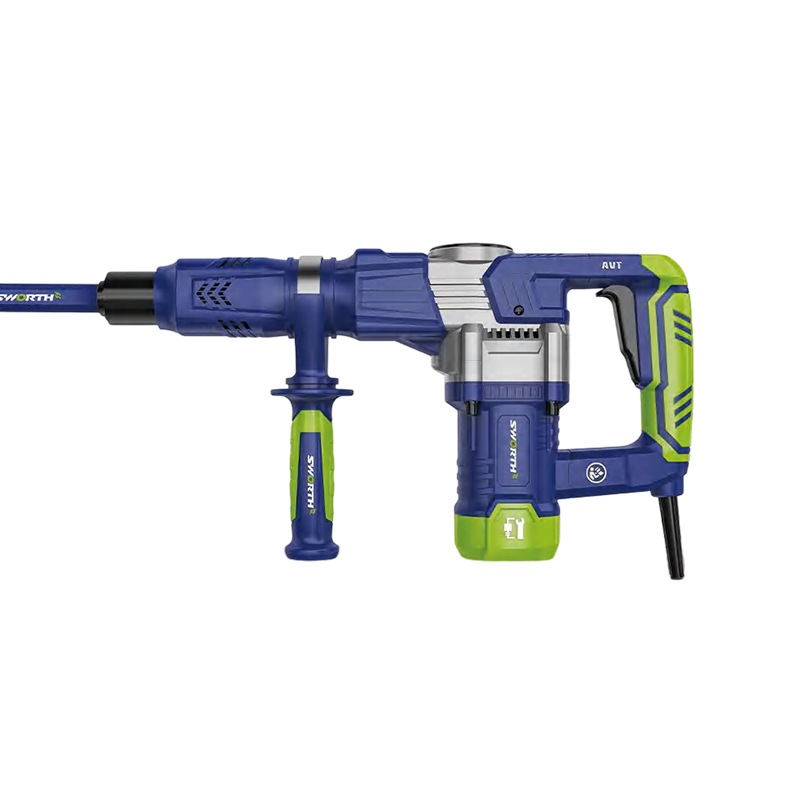
SW535 Powerful Anti-Scalding Demolition Hammer
-
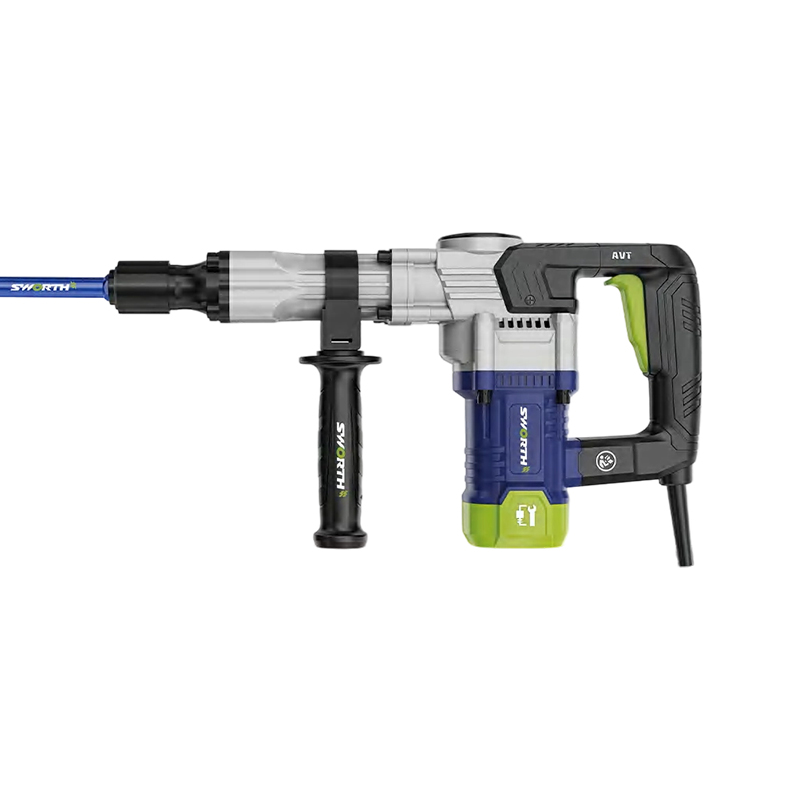
SW535-2 Durable Powerful Demolition Hammer
-
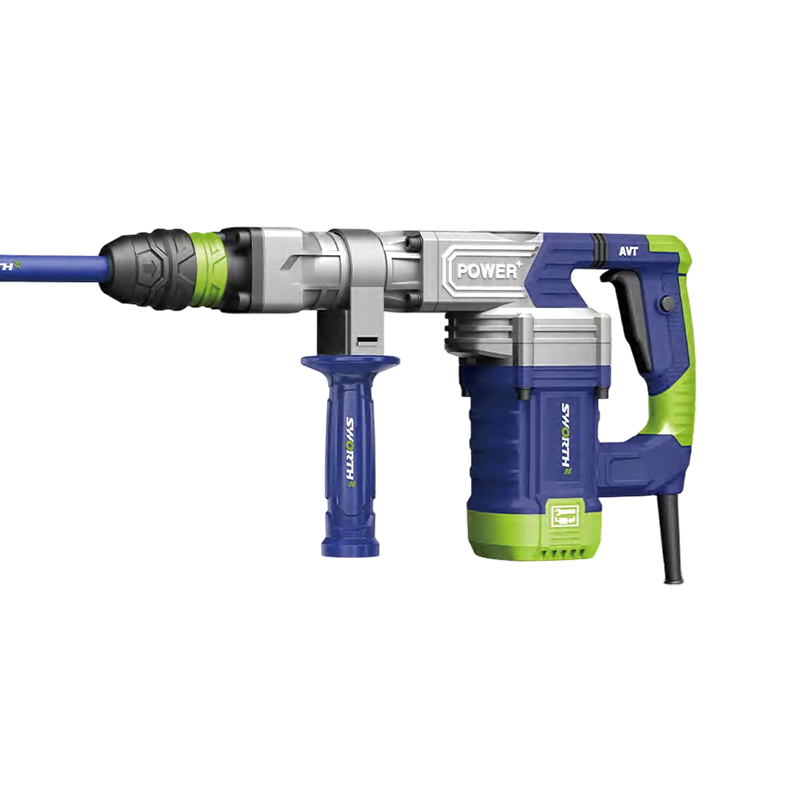
SW35S3 Five-Pipe Drill Bit Demolition Hammer
-

SW11E Five-Pipe Clamping Demolition Hammer
 +86-18314829275
 sale@sworthtools.com
 No. 101, Yugui Road, chengxi Industrial Zone, Yongkang City, Zhejiang Province, China
Copyright© Yongkang Siwei Technology Co., Ltd. All Rights Reserved

Hammer Tools & Cordless Garden Tools Manufacturer
