 English
 русский
 Español

SW9371 Heavy-Duty Hex Demolition Hammer: Extended Runtime, 45J Impact Power, and Professional Reliability
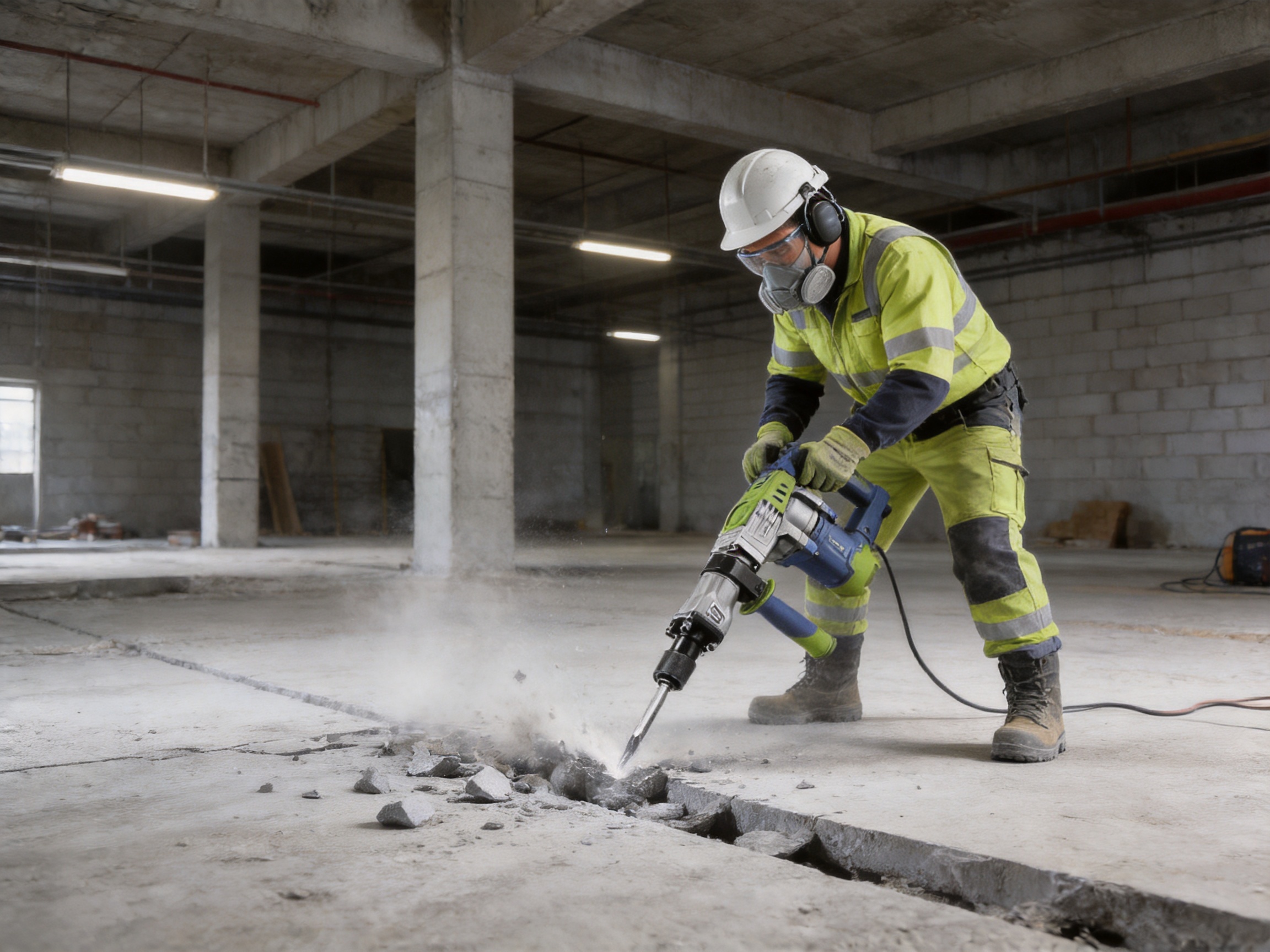
SW9371 Heavy-Duty Hex Demolition Hammer: Extended Runtime, 45J Impact Power, and Professional Reliability
Professional demolition work demands more than a high power rating. A demolition hammer used on concrete floors, structural walls, foundations, and other dense materials must deliver consistent impact energy, control heat, resist dust, and remain comfortable enough for extended operation. Maintenance interruptions can quickly reduce productivity, especially on large projects where equipment is expected to work continuously throughout a shift.
The SW9371 is designed for these demanding conditions. It combines a 37mm extended cylinder and impact mechanism with a rated 45J impact force, a 1300W motor, enlarged 7×11 carbon brushes, improved brush-holder construction, and several details intended to improve operating comfort and service reliability. Its design focuses on a practical challenge faced by professional users: keeping a demolition hammer working effectively for longer periods without excessive heat buildup or frequent brush replacement.
With a hex tool configuration, substantial impact performance, an anti-vibration grip, an anti-scald front barrel, a pressure-relief oil cap, and a visible power indicator, the SW9371 is built as a jobsite tool rather than a light-duty consumer hammer. It is suitable for continuous demolition on large floor slabs, thick masonry, hard concrete sections, and other applications where reliability and efficient material removal are more important than compact size.

SW9371 Hex Large-Sized Carbon Brushes Demolition Hammer
1. The Professional Demolition Challenge
Demolition is one of the most severe operating environments for an electric power tool. Unlike drilling or light chiseling, demolition requires repeated high-energy blows against dense, resistant materials. Every impact transfers force through the hammer mechanism, tool holder, accessory, and workpiece. At the same time, the motor and electrical components must continue operating under load, while dust, vibration, heat, and debris place additional stress on the machine.
On a small repair project, a short pause for cooling or brush inspection may be acceptable. On a large construction site, the same pause can interrupt a complete work sequence. Crews may need to reposition equipment, stop downstream operations, or wait for a replacement tool. The cost of lost productivity can be greater than the initial cost difference between a basic demolition hammer and a professional model designed for extended use.
A suitable heavy-duty demolition hammer therefore needs a balanced combination of impact energy, motor output, mechanical durability, heat management, operator comfort, and maintenance accessibility. Increasing only the motor power does not automatically create a better tool. If the cylinder is not matched to the impact mechanism, if the brush system overheats, or if the handle transmits excessive vibration, the tool may become inefficient or uncomfortable despite its electrical rating.
The SW9371 addresses these factors as part of an integrated design. Its extended 37mm cylinder and impact mechanism are intended to increase impact performance, while its enlarged carbon brushes and upgraded brush holder support longer service intervals. The anti-vibration grip and front-barrel design focus on user control and handling, while the pressure-relief oil cap helps manage internal pressure and reduce the risk of oil leakage during demanding operation.
2. Product Overview
The SW9371 is a corded electric hex demolition hammer designed for professional demolition, heavy chiseling, and material removal. It operates on a 220–240V~, 50/60Hz power supply and has a rated input power of 1300W. Its stated impact energy is 45J, and its impact frequency is listed as 3900rpm in the supplied technical information.
The hammer uses a 37mm extended cylinder and impact assembly. According to the product specifications, this configuration increases impact force by approximately 30% compared with the referenced standard design. The objective is to produce more effective blows against hard materials without depending solely on a higher electrical input.
The machine also uses enlarged 7×11 carbon brushes. Larger brushes can provide a greater contact area and may support improved current transfer and longer working intervals when properly matched with the motor and brush holder. The upgraded brush-holder structure is designed to improve cooling and reduce the frequency of maintenance stops.
Other functional details include a power indicator light, an anti-scald front barrel, a soft rubber anti-vibration handle, an oversized trigger, and a pressure-relief oil cap. These components reflect the requirements of users who may operate the tool for extended periods in dusty, physically demanding environments.
| Product model | SW9371 |
| Product type | Heavy-duty hex demolition hammer |
| Rated voltage | 220–240V~, 50/60Hz |
| Power input | 1300W |
| Impact frequency | 3900rpm as listed in the supplied specification |
| Impact energy | 45J |
| Cylinder and impact diameter | 37mm extended design |
| Stator dimensions | Ø73 × 48H |
| Rotor dimensions | Ø44 × 48H |
| Carbon brush size | 7 × 11 |
| Tool interface | Hex configuration |
Because technical ratings can be expressed differently by manufacturers, professional purchasers should confirm the preferred measurement method for impact frequency and impact energy before comparing products from different suppliers. The supplied SW9371 data identifies the tool as a high-impact machine intended for demanding demolition applications.
3. 45J Impact Energy for Serious Material Removal
Impact energy is one of the most important specifications in a demolition hammer. It indicates the energy delivered by each blow and helps users understand how effectively the machine can break hard materials. A higher impact rating is particularly important when removing thick concrete, breaking floor slabs, opening masonry walls, or separating bonded construction materials.
The SW9371 is specified with 45J of impact energy. This places it in a heavy-duty category for applications where repeated, forceful blows are required. The tool is not designed merely to create surface marks or perform occasional light chiseling. It is intended to penetrate and fracture substantial material with each impact cycle.
The stated 37mm extended cylinder and impact mechanism contribute to the tool’s high-energy operating concept. A longer cylinder can provide additional working travel for the internal hammer components when the design is properly engineered. This helps create a strong mechanical stroke and supports the stated increase in impact force.
For the operator, effective impact energy can reduce the time required to complete a demolition section. Instead of repeatedly attacking the same point with a lower-energy tool, the user can work through the material with fewer ineffective blows. This may also reduce unnecessary pressure on the machine because the operator does not need to force the hammer aggressively against the surface to achieve progress.
Performance will always depend on the material, chisel type, working angle, operator technique, and condition of the accessory. A sharp and correctly selected chisel transfers energy more effectively than a damaged or unsuitable bit. Users should also allow the hammer mechanism to work rather than pressing with excessive body weight, which may reduce tool movement and increase stress on components.
Suitable high-impact applications
The SW9371 is suited to continuous demolition on large floor slabs, thick walls, foundations, concrete steps, heavy masonry, and other hard construction materials. It can also be used for breaking channels, removing old concrete sections, opening service routes, and carrying out heavy chiseling work during renovation or structural modification.
Its impact capacity makes it especially useful in applications where a compact rotary hammer may be too slow or where a lighter demolition tool may struggle to maintain productivity. The machine is better matched to professional construction, infrastructure repair, renovation, and demolition crews than to occasional household maintenance.
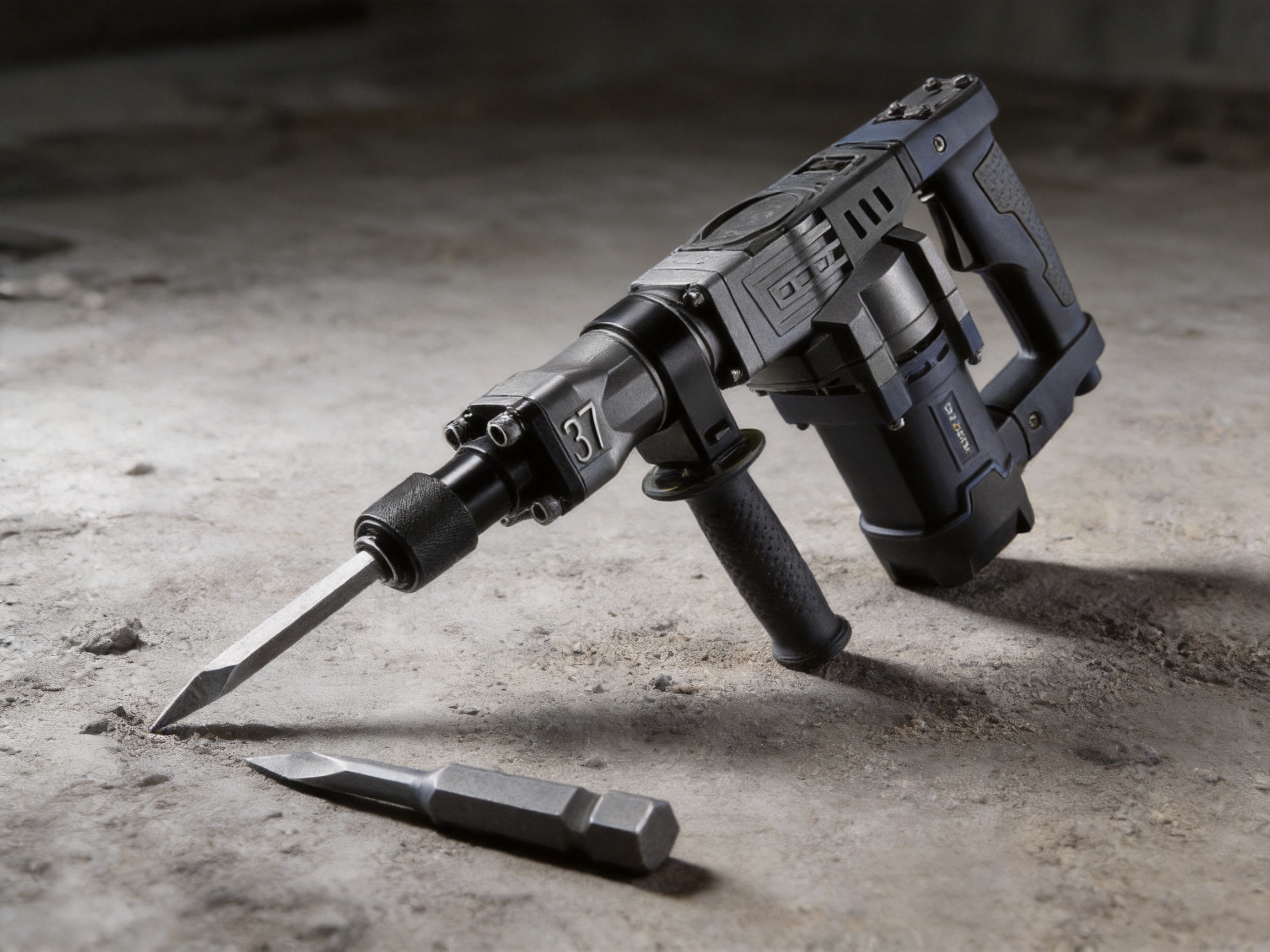
4. The 37mm Extended Cylinder and Impact Mechanism
The cylinder is a central part of a demolition hammer because it guides the internal hammer and supports the conversion of motor rotation into repeated impact movement. The dimensions and design of the cylinder affect the stroke, alignment, lubrication requirements, and overall behavior of the impact mechanism.
The SW9371 uses a 37mm extended cylinder and impact mechanism. The product information states that this design increases impact force by 30%. The extended arrangement is intended to provide a stronger impact stroke while maintaining a practical balance between power, structure, and operating stability.
A well-matched cylinder and impact assembly can provide several advantages. First, it helps deliver more energy to the accessory. Second, it can improve the tool’s ability to break resistant sections instead of simply vibrating against the surface. Third, it provides a foundation for consistent performance during repeated operation, provided that lubrication, accessory condition, and operating technique are properly maintained.
The size of the impact system also contributes to the character of the machine. A heavy-duty hammer needs a robust internal assembly capable of handling repeated high loads. The 37mm configuration signals that the SW9371 is designed around substantial mechanical output rather than a lightweight, compact mechanism.
For contractors, the practical benefit is more important than the dimension itself. A stronger impact mechanism can help reduce the number of passes needed over a section of material. This may improve daily output and reduce the physical effort required from the operator. It can also support more predictable progress when working on thick, dense, or reinforced construction materials.
5. Enlarged 7×11 Carbon Brushes and Improved Service Intervals
Carbon brushes are wear components in a traditional brushed electric motor. They transfer electrical current to the rotating armature through contact with the commutator. During operation, the brushes gradually wear and can generate heat, electrical arcing, and carbon dust. Their condition has a direct influence on motor performance and maintenance requirements.
The SW9371 uses enlarged 7×11 carbon brushes together with an upgraded brush-holder structure. The larger brush size is intended to provide better contact capability, while the improved holder supports more effective positioning and cooling. The product design specifically emphasizes longer service intervals and fewer stops for brush changes.
This feature is particularly relevant in fleet environments. Construction companies may operate several demolition hammers across multiple projects. Frequent brush replacement creates labor costs, spare-parts requirements, and equipment downtime. Enlarged brushes do not eliminate wear, but they can extend the time between routine maintenance when the tool is used and serviced correctly.
Improved brush cooling is also important. Heat is one of the main causes of accelerated wear in a brushed motor. By helping manage the temperature around the brush and holder, the design can support more stable operation during extended work. The result is a tool better suited to long demolition shifts than a model equipped with a smaller or less robust brush system.
Compared with a basic demolition hammer that may require more frequent brush inspection or replacement, the SW9371 is designed to reduce maintenance interruptions. This is one of its key advantages for professional users. The benefit is not limited to the brush itself; it also includes the upgraded holder, cooling considerations, and the broader service philosophy of the machine.
Maintenance considerations for carbon brushes
Even enlarged carbon brushes must be inspected periodically. Brush life depends on load, operating time, dust exposure, electrical supply, motor condition, and user technique. Operators should watch for power loss, unusual sparking, intermittent operation, burning odors, or visible brush wear. Replacement should be carried out with compatible parts and by trained personnel when required.
Users should not continue operating a tool with severely worn brushes. Doing so may damage the commutator, increase heat, and create additional repair costs. The purpose of extended brush dimensions is to lengthen service intervals, not to remove the need for inspection.
6. Thermal Management for Extended Demolition
Heat buildup is a common limitation during long periods of heavy demolition. The motor, brushes, brush holder, bearings, impact mechanism, and lubricant are all affected by temperature. If heat is not controlled, the tool may lose efficiency, suffer accelerated wear, or require unexpected cooling breaks.
The SW9371 addresses thermal stress through several design elements. The enlarged carbon brushes provide a larger working area, while the improved brush holder is designed to support better cooling. The anti-scald front barrel also helps separate the operator’s hand from hot metal surfaces around the front of the machine.
Better thermal behavior can improve productivity in two ways. First, it may allow the machine to operate for longer periods before a cooling pause becomes necessary. Second, it can help preserve the condition of electrical and mechanical components over repeated work cycles. For contractors, this means fewer interruptions and more consistent output during demanding shifts.
Temperature management still depends on correct operation. Air vents should remain clear of dust and debris. The tool should not be forced into the workpiece, and operators should use suitable chisels. Excessive pressure can prevent the impact mechanism from moving correctly and may generate unnecessary heat rather than increasing demolition speed.
In high-dust environments, regular cleaning is especially important. Dust should be removed from external ventilation openings and the tool body according to the maintenance instructions supplied with the unit. The machine should be disconnected from the power source before cleaning or inspection.
7. Anti-Scald Front Barrel for Safer Handling
The front section of a demolition hammer can become hot during extended operation. Operators may need to guide or stabilize the tool near the front barrel, particularly when working at an angle or when controlling the chisel during the initial penetration. Direct contact with a hot metal surface can be uncomfortable and may create a burn hazard.
The SW9371 includes an anti-scald front-barrel design. This allows the operator to hold the front section more safely during extended use, subject to proper protective equipment and safe handling procedures. It is a practical feature that recognizes how demolition hammers are actually used on the jobsite.
The anti-scald design also supports better control. When users are not concerned about touching an excessively hot area, they can maintain a more stable grip and guide the chisel more accurately. Better control may reduce accidental slips, improve working precision, and reduce unnecessary impact against surrounding surfaces.
This feature should not be interpreted as meaning that the entire front assembly remains cool under all conditions. Users should still avoid touching metal parts immediately after heavy operation and should follow workplace safety procedures. The design is intended to reduce the risk associated with normal hand positioning, not to replace gloves or safe operating practices.
8. Anti-Vibration Soft Rubber Grip and Oversized Trigger
Demolition work exposes the operator to repeated vibration. Long-term exposure can cause discomfort, numbness, reduced grip strength, and fatigue. Excessive vibration also makes it more difficult to maintain an accurate working angle, especially when the tool is used on vertical walls or overhead sections.
The SW9371 uses an anti-vibration handle covered with soft rubber. The handle is designed to reduce the transmission of vibration to the operator’s hands while providing a non-slip contact surface. This is important during continuous chiseling, when the tool may be held for hours rather than minutes.
A comfortable grip can support better productivity. When the operator experiences less numbness and fatigue, it may be easier to maintain control and work at a consistent pace. The user can also reposition the machine more confidently between demolition points without applying excessive gripping force.
The oversized trigger is another jobsite-oriented feature. A large switch is easier to press and hold while wearing work gloves. It may also reduce finger strain during long operating periods. The trigger layout is intended to make the tool more comfortable for continuous use without requiring a small, concentrated finger movement.
Vibration reduction is influenced by more than the handle. Accessory balance, material hardness, operating pressure, bearing condition, and the user’s stance all affect the vibration experienced in practice. Operators should keep both hands in the intended positions, stand securely, and take breaks according to workplace safety requirements.
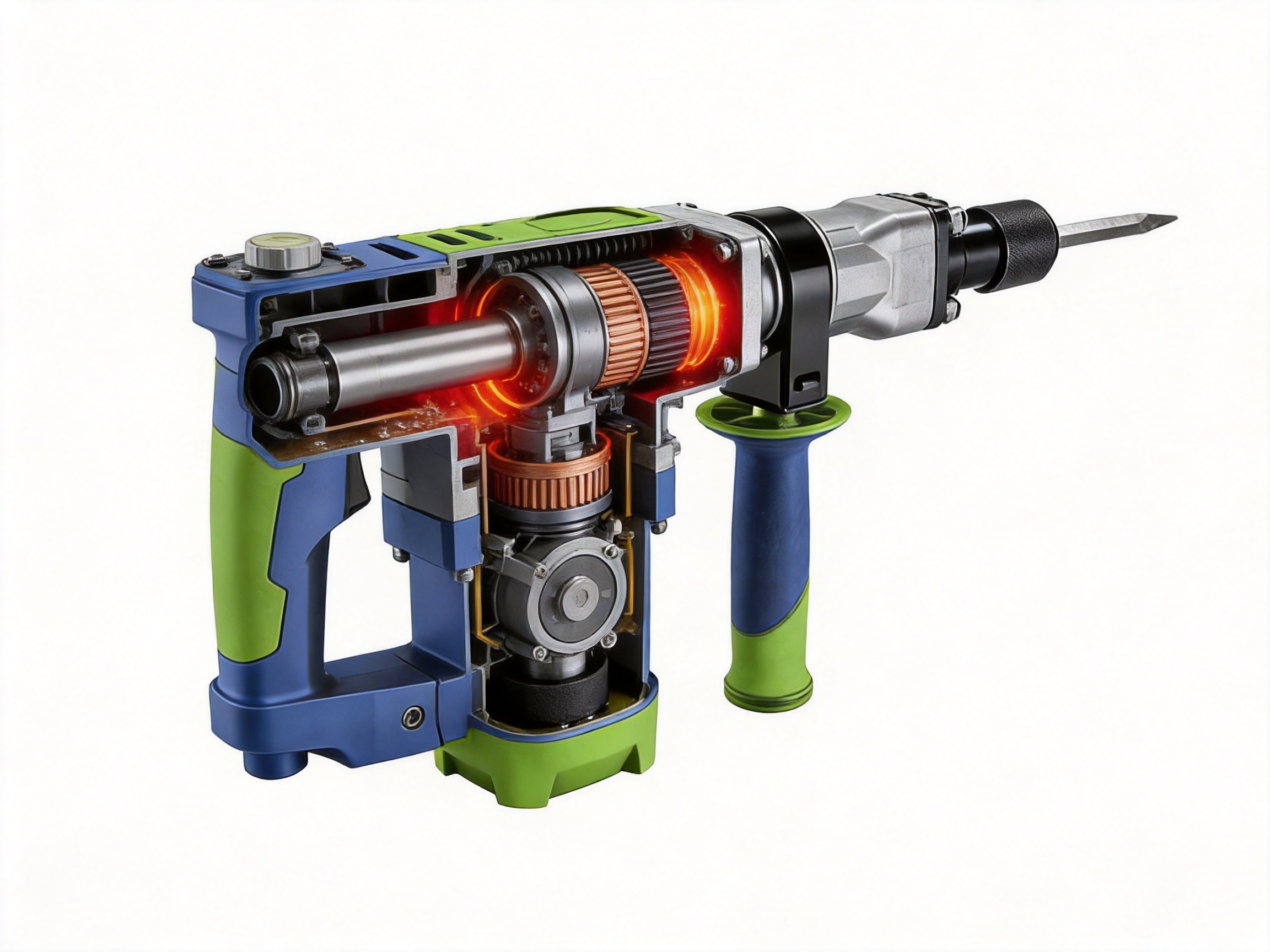
9. Pressure-Relief Oil Cap and Lubrication Control
Impact tools require lubrication because the internal hammer mechanism operates under repeated mechanical loads. Proper lubrication reduces friction, helps control heat, and supports the service life of moving components. However, pressure can build inside a sealed or partially sealed mechanism as the lubricant and internal air respond to heat and movement.
The SW9371 includes an oil cap with a breather hole. The breather is designed to release internal pressure and help prevent oil leakage. This is an important detail because lubricant escaping from the mechanism can contaminate the work area, reduce internal lubrication, and create a maintenance problem.
Pressure management also contributes to cleaner operation. When oil remains inside the intended lubrication area, the user is less likely to encounter unnecessary leakage around the cap or housing. This is particularly useful on construction sites where dust can adhere to oil and create abrasive deposits.
Users should check the oil cap and surrounding area during routine inspection. The breather hole must remain clear, and the correct lubricant should be used according to the manufacturer’s service instructions. Overfilling the mechanism may create additional pressure and leakage, while insufficient lubrication may increase wear and heat.
The oil cap is a small component, but it demonstrates the practical engineering approach used throughout the tool. Reliable operation depends on details that control heat, pressure, wear, and maintenance. A high-impact machine cannot perform consistently if these supporting systems are neglected.
10. Power Indicator Light and Operational Awareness
The SW9371 includes a power indicator light that shows the tool’s operating status. On a busy jobsite, this simple visual signal can help the operator quickly determine whether the machine is connected and receiving power.
A power indicator can also assist during basic troubleshooting. If the tool does not operate as expected, the user can first confirm the power status before inspecting the trigger, extension cord, plug, or supply circuit. This does not replace electrical testing, but it provides immediate information during normal work.
Clear status feedback is valuable when several tools are used in one area. Workers can identify the active machine more easily and avoid unnecessary switching or repeated trigger operation. The indicator also reinforces the need to disconnect the tool before maintenance, accessory changes, or cleaning.
11. Advantages for Professional Users
The SW9371 is designed around the working conditions of professional demolition crews, contractors, renovation specialists, and equipment fleets. Its main advantages are connected to productivity, durability, service intervals, and user comfort rather than to a single isolated specification.
Reduced interruption during long shifts
The enlarged 7×11 carbon brushes and improved brush holder are intended to extend the time between brush replacements. When combined with the 1300W motor and high-impact mechanism, this makes the hammer suitable for work schedules where stopping frequently for maintenance is undesirable.
Strong performance on hard materials
The 45J impact rating and 37mm extended cylinder provide the force required for thick concrete, slabs, walls, and heavy masonry. The stated 30% increase in impact force is intended to improve material removal and reduce ineffective working time.
Better handling during continuous use
The anti-vibration soft rubber grip, oversized trigger, and anti-scald front barrel are designed to make extended operation more manageable. These features can help reduce discomfort and support more stable control during demanding work.
More practical service design
The pressure-relief oil cap helps manage internal pressure and reduce leakage, while the power indicator provides clear operating feedback. These details simplify daily use and support more organized maintenance routines.
Suitable for fleet deployment
Fleet managers often evaluate tools by total operating cost rather than purchase price alone. Maintenance frequency, spare-parts availability, downtime, operator acceptance, and durability all affect the cost of ownership. The SW9371’s large brush system and heavy-duty construction are aligned with the needs of companies that deploy demolition hammers across multiple projects.
12. Comparison with Basic Demolition Hammer Designs
Product comparisons should be based on actual application needs. A lightweight hammer may be convenient for short tasks, while a high-impact model is more appropriate for thick slabs and prolonged demolition. The SW9371 is positioned for the latter category.
| Evaluation area | Basic light-duty design | SW9371 heavy-duty approach |
| Primary use | Occasional chiseling and small repair tasks | Continuous demolition and heavy chiseling |
| Impact system | Compact mechanism for moderate loads | 37mm extended cylinder and impact mechanism |
| Impact energy | Typically lower output category | 45J stated impact energy |
| Carbon brush design | Standard-size brushes | Enlarged 7×11 brushes |
| Maintenance objective | Routine service at shorter intervals | Longer service intervals and fewer brush-change stops |
| Heat-related features | Basic housing and grip design | Improved brush-holder cooling and anti-scald front barrel |
| Operator comfort | Standard handle and trigger | Anti-vibration rubber grip and oversized trigger |
| Lubrication control | Conventional oil-cap arrangement | Pressure-relief oil cap with breather hole |
The comparison illustrates the SW9371’s design direction. It is not intended to compete primarily on low weight or minimal size. Its advantage is the combination of high impact energy, a larger impact mechanism, extended brush life, thermal considerations, and operator-focused features.
Professional buyers should still consider the complete job requirement. If the work involves short-duration drilling, light tile removal, or frequent movement across elevated locations, a smaller tool may be more suitable. If the work involves thick concrete, long chiseling cycles, and high daily utilization, the SW9371 offers a stronger match.
13. Manufacturing Strengths and Engineering Approach
The manufacturer, Yongkang Siwei Technology Co., Ltd., integrates research and development, production, and sales. Its stated manufacturing philosophy emphasizes professional focus and quality first. This approach is relevant to the SW9371 because a heavy-duty demolition hammer requires coordination between motor production, mechanical assembly, housing design, electrical control, lubrication, and quality inspection.
Professional tool manufacturing is not limited to assembling available components. The interaction between the stator, rotor, brush system, impact mechanism, cylinder, bearings, housing, and handle determines the final working behavior. A change in one component can affect heat, vibration, service life, and impact output. Integrated production and technical oversight can help maintain consistency across these systems.
The supplied information identifies the SW9371 stator dimensions as Ø73 × 48H and the rotor dimensions as Ø44 × 48H. These dimensions reflect a substantial motor platform intended to support the tool’s 1300W input and heavy-duty impact requirements. Correct manufacturing tolerances and assembly alignment are important for maintaining efficient electrical transfer and stable mechanical operation.
The company states that it uses advanced processes and high-quality materials to produce tools capable of working in harsh conditions. For a demolition hammer, this includes careful attention to component strength, heat resistance, brush-holder construction, housing durability, switch performance, and the fit of moving parts.
Research and development capability
The company has developed expertise in brushless motors, electronic control systems, and intelligent battery platforms since 2024. Although the SW9371 is a corded brushed demolition hammer, this broader technical experience demonstrates an investment in motor systems and electronic control development.
Knowledge gained from brushless motor development can support a wider understanding of efficiency, thermal behavior, electronic protection, and power delivery. These capabilities are also relevant to the company’s cordless garden-tool range, including lawn mowers, string trimmers, lawn tractors, hedge trimmers, pruning shears, and chainsaws.
The company’s product scope therefore includes both conventional corded construction tools and newer battery-powered equipment. This combination allows the manufacturer to serve professional construction users as well as garden and landscaping users who need cordless mobility.
Production consistency
Consistency is essential when supplying tools for professional fleets or private-label programs. Buyers expect machines with consistent impact behavior, switch operation, brush fit, housing quality, and accessory compatibility. Integrated research, production, and sales operations can improve communication between customer requirements and manufacturing execution.
Quality-first production also requires attention to inspection at multiple stages. Motor components should be checked for dimensional accuracy and electrical performance. Impact assemblies should be inspected for proper fit and movement. Finished tools should be evaluated for operation, noise, vibration, power indication, and general assembly quality.
Application-oriented product development
The SW9371’s features show a focus on actual jobsite problems. Enlarged brushes address maintenance intervals. The anti-scald barrel addresses heat at the handling point. The rubber grip addresses vibration and fatigue. The breather oil cap addresses pressure and leakage. The power indicator addresses operating awareness. This practical approach is valuable because professional tool users judge equipment by how it performs throughout a working day.
14. Quality Materials and Harsh-Condition Reliability
Demolition tools are exposed to impact shock, concrete dust, falling debris, vibration, heat, and frequent transport. Materials must be selected not only for appearance but also for resistance to repeated mechanical and environmental stress.
High-strength internal components help the impact mechanism withstand repeated loading. Durable housing materials protect the motor and electrical parts from normal jobsite contact. The handle material must combine grip, resilience, and comfort. The brush holder must maintain reliable contact and positioning despite vibration.
The manufacturer’s stated focus on high-quality materials supports the requirements of professional users who operate in difficult conditions. However, no electric tool is immune to misuse or neglect. Reliability depends on keeping the machine clean, using compatible chisels, checking the power cord, maintaining lubrication, and replacing worn components at the correct time.
In high-dust areas, users should avoid placing the hammer directly in loose debris when it is not operating. Dust accumulation around ventilation openings can restrict airflow and increase temperature. The tool should be transported in a protective case or suitable storage location whenever possible.
15. Recommended Applications
Large floor slabs
The SW9371 is suitable for breaking and removing large concrete floor sections. Its high impact energy can help create starting points and expand fractures through thick slabs. Operators should work methodically, use the correct pointed or flat chisel, and observe structural and site-safety requirements.
Thick walls and masonry
Renovation and structural modification often require the removal of dense masonry, concrete blocks, or sections of old wall. The extended impact mechanism provides the force needed for heavy chiseling, while the anti-vibration handle supports control during vertical work.
Heavy chiseling
The hammer can be used for removing concrete buildup, breaking hard construction residue, opening channels, and preparing surfaces for repair. Flat chisels and scaling accessories may be selected according to the required finish and material type.
Continuous fleet use
Contractors operating several machines can benefit from the SW9371’s extended-brush design and service-oriented construction. Standardized maintenance procedures can help teams track brush condition, lubrication, cord safety, and accessory wear across multiple tools.
High-dust construction environments
The tool is designed for professional work where dust is unavoidable. Users must still maintain ventilation openings and clean the machine regularly. Protective eyewear, hearing protection, gloves, suitable footwear, and respiratory protection should be selected according to the site conditions.
16. Operating Recommendations
Before starting work, inspect the power cord, plug, switch, housing, handle, oil cap, and tool holder. Do not use the hammer if the cord is damaged, the housing is cracked, the trigger does not operate correctly, or the accessory cannot be secured properly.
Choose a chisel designed for the hex interface and the material being removed. Inspect the accessory for cracks, excessive wear, deformation, or a damaged shank. A defective accessory can reduce performance and create a safety hazard.
Place the chisel against the work surface before fully engaging the tool. Maintain a stable stance and keep both hands on the designated gripping areas. Do not direct the tool toward other workers, cables, pipes, or hidden structural elements without first confirming the work area.
Apply firm but controlled pressure. Excessive force does not necessarily increase impact energy and may prevent the internal hammer from operating efficiently. Allow the mechanism to deliver the blows while the operator guides the tool.
During long work sessions, monitor temperature, sound, vibration, smell, and performance. Stop the tool if it produces unusual sparking, burning odors, severe vibration, or unexpected power loss. Disconnect the power supply before inspection or service.
After operation, allow hot components to cool before handling or storage. Clean dust from the exterior and ventilation areas. Check the accessory, cord, handle, and oil-cap area. Store the tool in a dry location away from unauthorized users.
17. Maintenance Planning for Contractors
A planned maintenance schedule can significantly improve the working life of a demolition hammer. Daily checks should focus on visible damage, cord condition, switch operation, accessory security, and external cleanliness. Periodic checks should include carbon brushes, brush holder condition, lubrication, fasteners, bearings, and impact-mechanism performance.
The enlarged 7×11 brushes are intended to extend service intervals, but fleet managers should still record operating hours and inspection dates. A simple maintenance log can identify tools that are used more heavily than others and help schedule service before a failure occurs.
Lubrication should be handled according to the correct service procedure. The pressure-relief oil cap and breather hole should remain clean and correctly fitted. If oil leakage appears, the tool should be removed from service until the cause is identified.
Accessories should also be included in maintenance planning. Worn chisels reduce demolition efficiency and can transfer unnecessary vibration to the tool and operator. Replacing an accessory at the proper time may improve productivity and reduce mechanical stress.
18. Purchasing Considerations
When selecting the SW9371 for a project or fleet, buyers should evaluate the expected daily workload, material hardness, power availability, accessory requirements, service capability, and operator experience. The 220–240V~, 50/60Hz electrical specification should be compatible with the intended market and jobsite supply.
The 1300W input rating should be considered together with the 45J impact specification. A tool with strong impact energy may improve output on hard materials, but the electrical circuit must be capable of supporting its operation. Suitable extension cords and protected power supplies should be selected to avoid voltage drop and overheating.
Purchasers should also review spare-part support for carbon brushes, brush holders, switches, oil-cap components, handles, cords, and compatible hex accessories. Professional users benefit when replacement parts and technical communication are available throughout the product’s service life.
For importers and distributors, the SW9371 may be positioned as a heavy-duty demolition solution for construction, renovation, infrastructure maintenance, and contractor fleets. Product training should explain the correct applications, maintenance intervals, accessory selection, and safety procedures.
19. Why the SW9371 Is a Professional-Oriented Choice
The principal value of the SW9371 lies in the way its features work together. The 45J impact rating provides high material-removal capability. The 37mm extended cylinder supports the high-impact mechanism. The 7×11 carbon brushes and upgraded holder address extended operating intervals. The anti-scald front barrel and anti-vibration handle improve handling. The pressure-relief oil cap supports cleaner lubrication management. The power indicator improves everyday awareness.
Many tools can advertise a high wattage or strong impact number. Professional users need more than a headline specification. They need a machine that can maintain performance, tolerate repeated work, remain serviceable, and reduce fatigue. The SW9371 is designed with these broader requirements in mind.
Its advantages are especially relevant where downtime is expensive. On large demolition projects, a tool that continues working while a competing basic model requires frequent brush changes or cooling breaks can contribute to better crew productivity. The exact benefit will depend on material, duty cycle, operating technique, and maintenance, but the design clearly prioritizes endurance and practical jobsite performance.
Backed by a manufacturer that combines tool research, production, and sales, the SW9371 represents a professional construction-tool platform focused on durability and efficiency. Its development reflects an understanding that reliable demolition depends on the motor, impact mechanism, electrical system, lubrication, thermal management, and human interface working together.
20. Frequently Asked Questions
What type of tool is the SW9371?
The SW9371 is a corded electric hex demolition hammer designed for heavy chiseling and continuous demolition work. It is intended for professional construction, renovation, infrastructure, and material-removal applications.
How much impact energy does it provide?
The supplied product information specifies 45J of impact energy. This rating is intended for demanding work on thick concrete, floor slabs, dense masonry, and other hard materials.
What is the purpose of the 37mm cylinder?
The 37mm extended cylinder and impact mechanism are designed to provide a stronger mechanical stroke. The product information states that the impact force is increased by 30% through this design.
Why are the carbon brushes enlarged to 7×11?
The enlarged brushes are intended to improve contact capability, cooling, and service intervals. They are designed to reduce the frequency of brush-change stops during extended professional operation.
Does the enlarged brush design eliminate maintenance?
No. Carbon brushes remain wear components and must be inspected and replaced when necessary. Their larger dimensions are intended to extend service intervals, not eliminate routine maintenance.
Is the SW9371 suitable for continuous demolition?
Yes. Its product description identifies continuous demolition on large floor slabs and thick walls, heavy chiseling, high-dust work, and fleet use as target applications. Users must still follow appropriate duty cycles, maintenance procedures, and safety requirements.
What is the purpose of the anti-scald front barrel?
The anti-scald front barrel is designed to make it safer and more comfortable to hold the front section during extended use. Users should still wear suitable protective equipment and allow hot parts to cool before handling them after operation.
How does the handle reduce operator fatigue?
The handle uses soft rubber and an anti-vibration design to reduce the transfer of vibration to the user’s hands. The oversized trigger is also easier to press and hold, particularly when wearing work gloves.
What does the pressure-relief oil cap do?
The oil cap includes a breather hole designed to release internal pressure and help prevent oil leakage. It should remain clean and should be serviced with the correct lubricant according to the applicable maintenance instructions.
What power supply does the hammer require?
The rated electrical specification is 220–240V~, 50/60Hz, with a 1300W power input. The jobsite power supply, extension cord, and protective equipment should be suitable for this rating.
Can the tool be used in dusty environments?
The SW9371 is intended for professional applications that may involve high dust levels. However, dust can affect ventilation and component life, so the tool should be cleaned regularly and protected from unnecessary dust accumulation.
Who is the most suitable buyer for this demolition hammer?
Suitable buyers include demolition contractors, construction companies, renovation teams, infrastructure maintenance crews, rental fleets, distributors, and professional users who require high-impact performance and extended service intervals.
How should users choose chisels for the SW9371?
Users should select hex accessories compatible with the tool holder and suited to the material and task. Pointed chisels are useful for starting fractures, while flat or scaling chisels may be better for separating, trimming, or removing material across a wider area.
What should an operator do if the tool overheats?
Stop the tool, disconnect the power supply, and allow it to cool in a safe location. Check ventilation openings, brush condition, accessory condition, lubrication, and operating pressure before returning the tool to service. Persistent overheating should be investigated by qualified service personnel.
What makes the SW9371 different from a lighter demolition hammer?
The SW9371 is built around a 45J impact rating, a 37mm extended impact mechanism, enlarged 7×11 carbon brushes, improved brush-holder construction, and features intended for long-duration professional use. Its design prioritizes heavy material removal and service endurance rather than minimum size.
21. Conclusion
The SW9371 is a heavy-duty hex demolition hammer developed for demanding professional work. Its 1300W motor, 45J impact energy, and 37mm extended cylinder provide the mechanical strength required for thick concrete, large floor slabs, heavy masonry, and continuous chiseling.
Its most distinctive advantage is the enlarged 7×11 carbon-brush system combined with an improved brush holder. This design is intended to support better cooling and longer service intervals, helping contractors reduce maintenance interruptions. The anti-scald front barrel, anti-vibration soft rubber grip, oversized trigger, power indicator, and pressure-relief oil cap further demonstrate a focus on practical jobsite requirements.
Supported by integrated research, production, and sales capabilities, the manufacturer emphasizes professional quality, durable materials, and tools capable of working in harsh conditions. Its experience in both construction tools and newer brushless battery technologies provides a broad technical foundation for continued product development.
For users who need a demolition hammer capable of delivering strong repeated impacts while reducing downtime and improving long-shift comfort, the SW9371 is a compelling professional-oriented solution. Correct accessories, safe operation, regular inspection, and proper lubrication remain essential, but the machine’s design provides a strong foundation for efficient and dependable demolition work.
References
1. Product specification sheet for the SW9371 heavy-duty hex demolition hammer.
2. Technical information supplied for the 1300W motor, 45J impact energy, 37mm cylinder, and 7×11 carbon-brush system.
3. General principles of electric motor carbon-brush inspection and maintenance.
4. General principles of impact-tool lubrication, pressure management, and mechanical service.
5. Occupational safety guidance for hand-held power tools, vibration exposure, dust control, and demolition work.
6. Manufacturer information concerning integrated research and development, production, sales, construction tools, and cordless garden-tool technologies.
Product: SW9371 Hex Large-Sized Carbon Brushes Demolition Hammer
Recommended Products
-


SW528 Small Hole Rebar Hammer
-
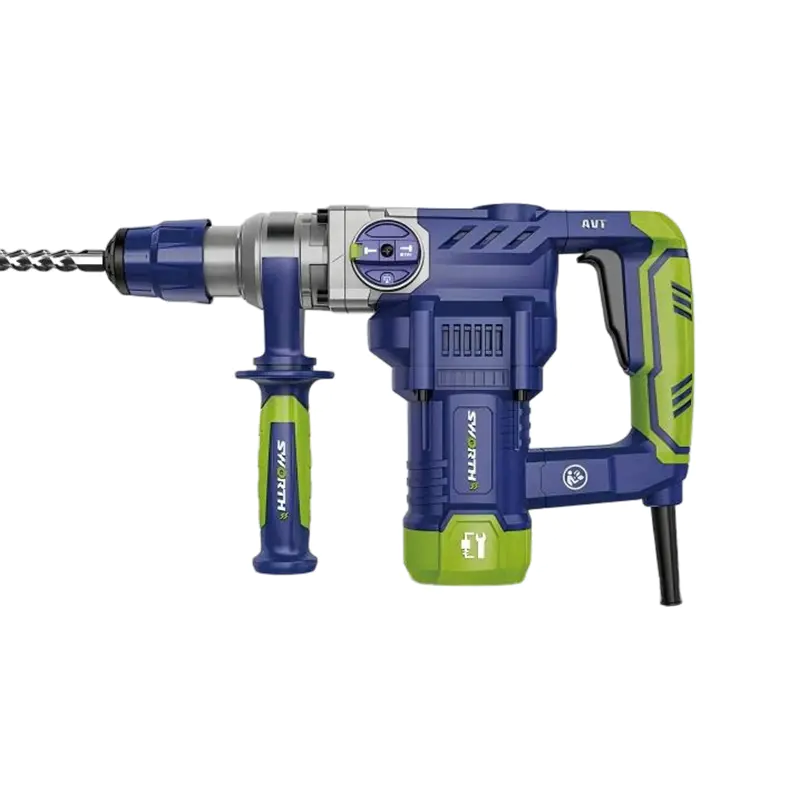
SW932 Groove Sandblasting Hammer
-
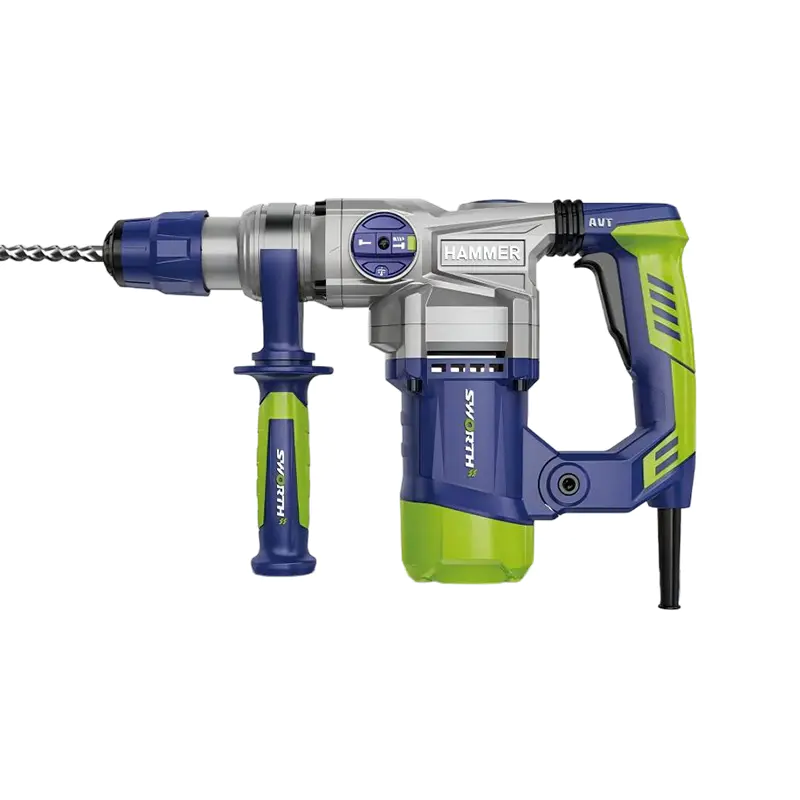
SW9362A Large Hole Rebar Hammer
-
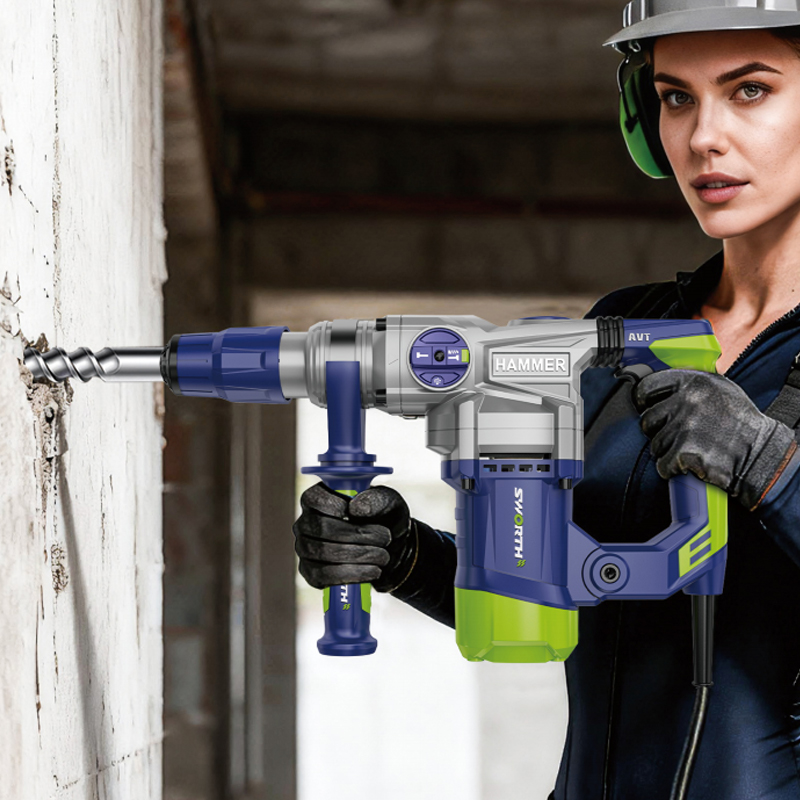
SW940 Enlarged Hole Rebar Hammer
-
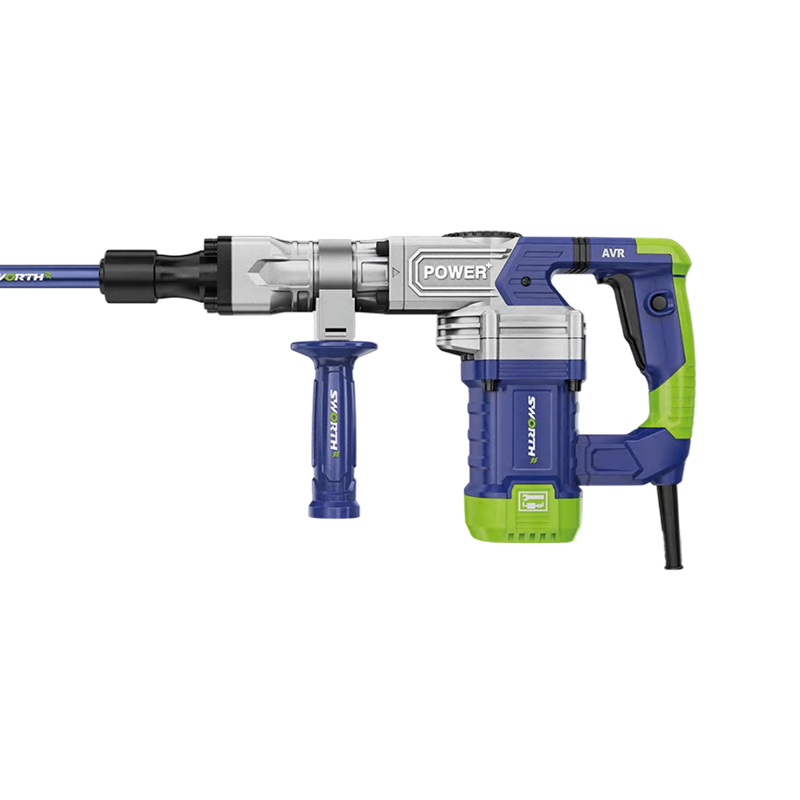
SW35S1 Powerful Demolition Hammer
-
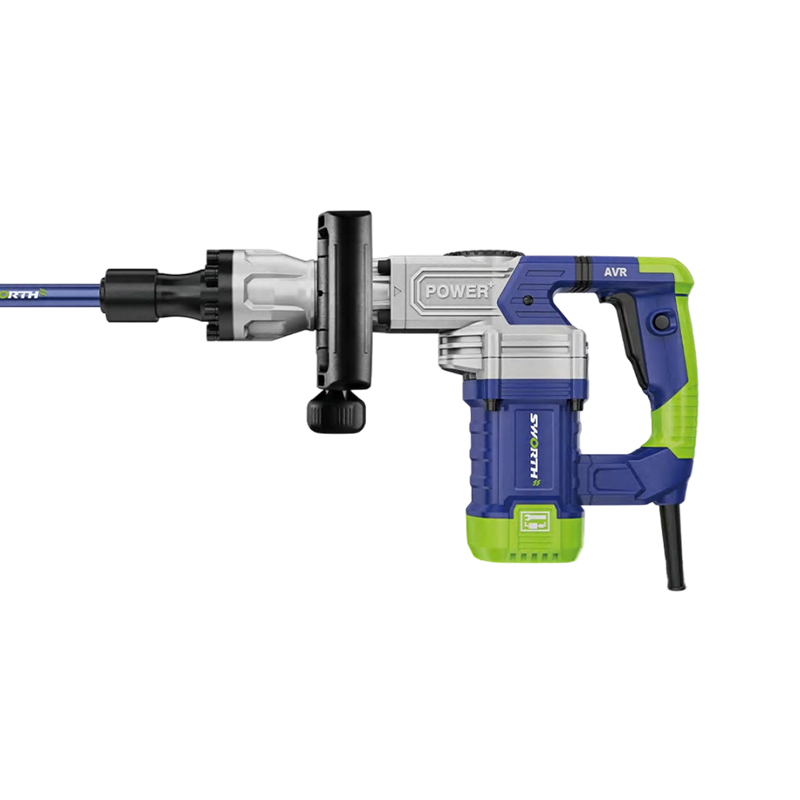
SW35S2 High-Efficiency Heat Dissipation Demolition Hammer
-
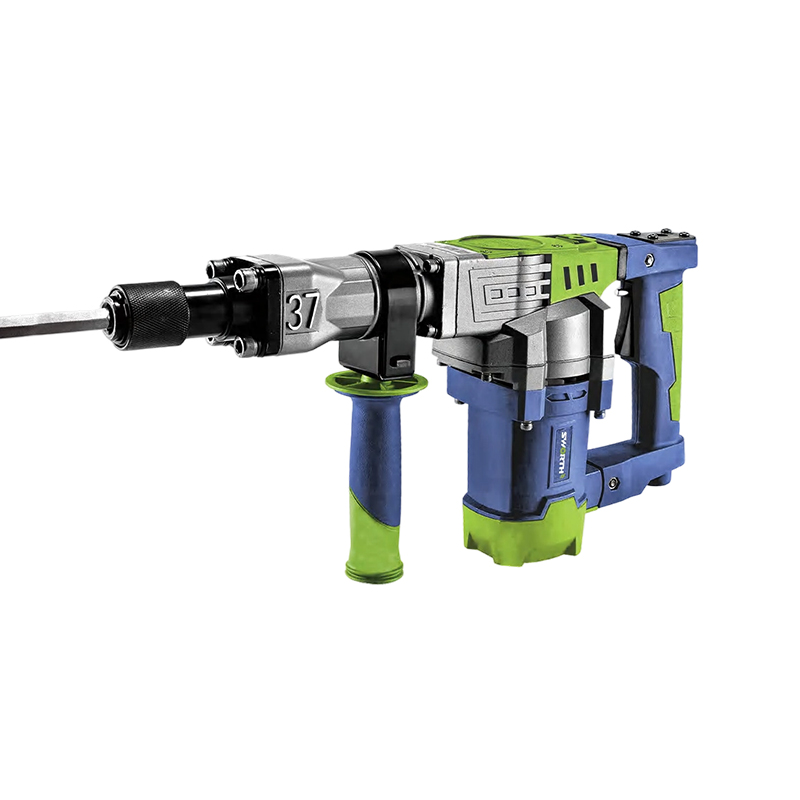
SW9371 High-Power Demolition Hammer
-
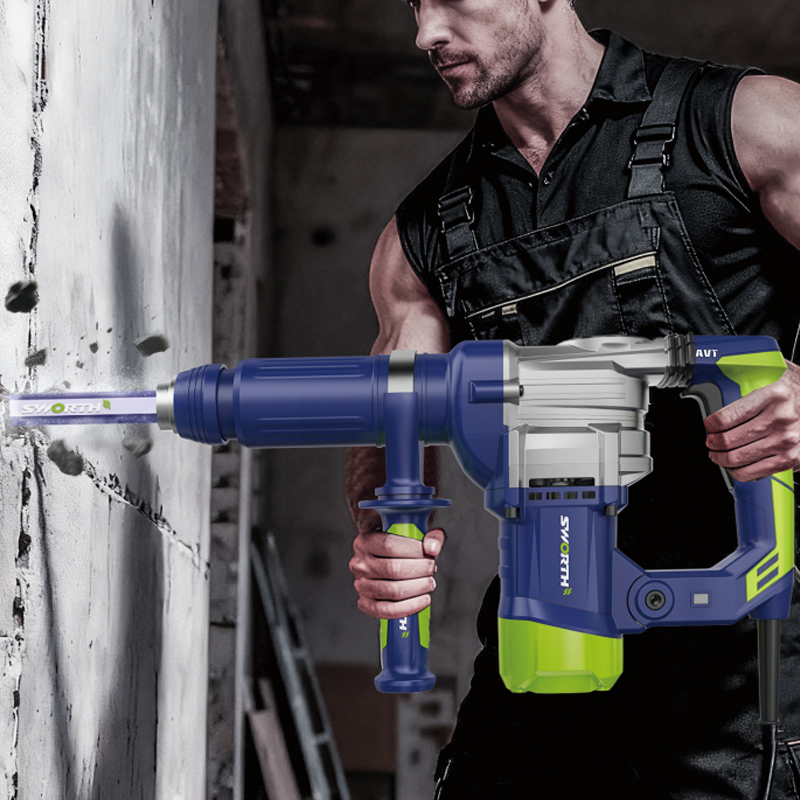
SW9373 Anti-Scalding Carbon Brush Holder Demolition Hammer
-
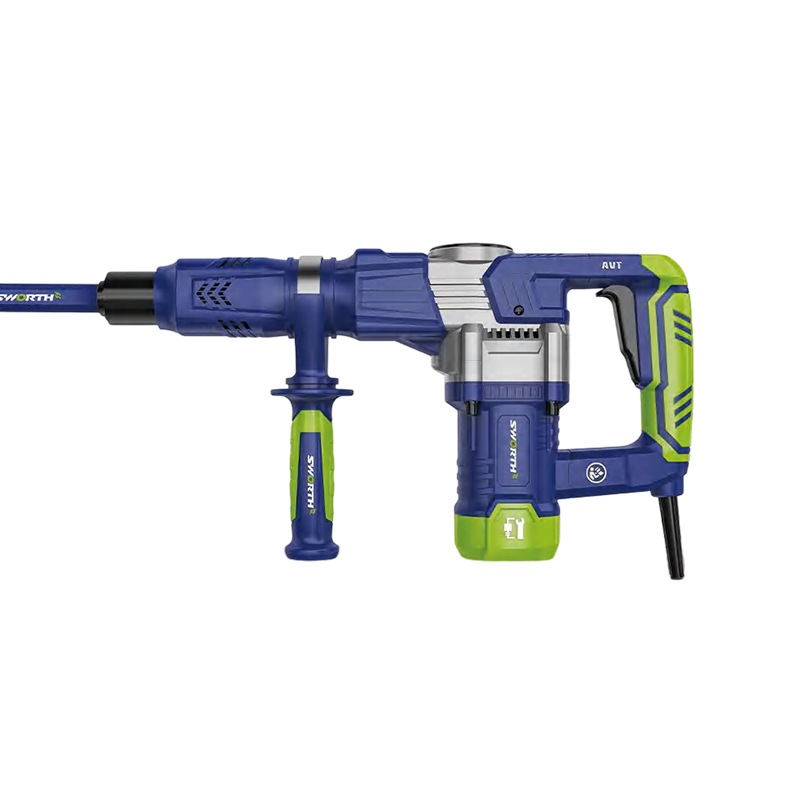
SW535 Powerful Anti-Scalding Demolition Hammer
-
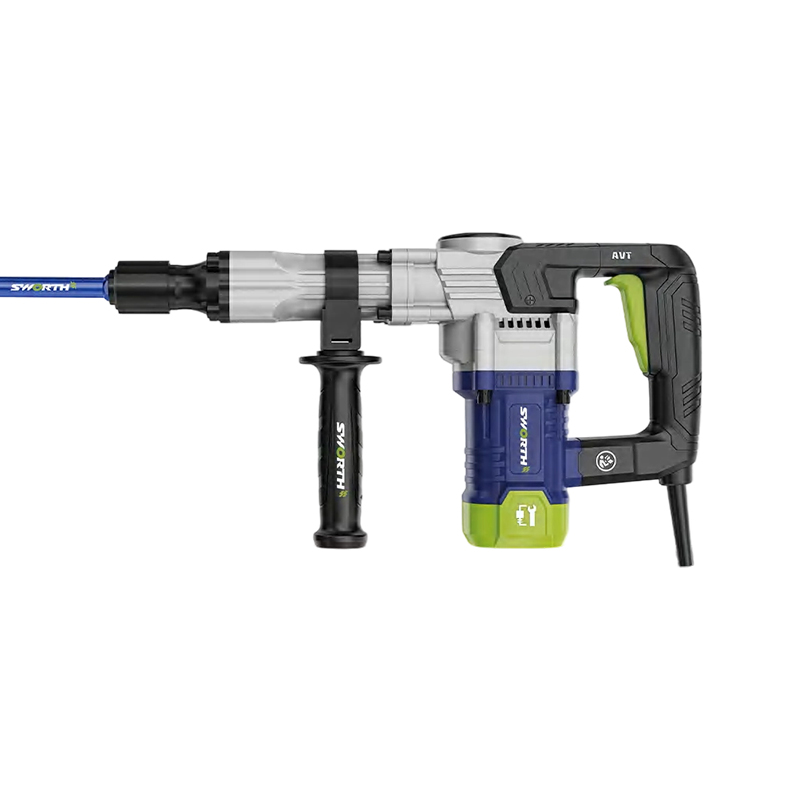
SW535-2 Durable Powerful Demolition Hammer
-
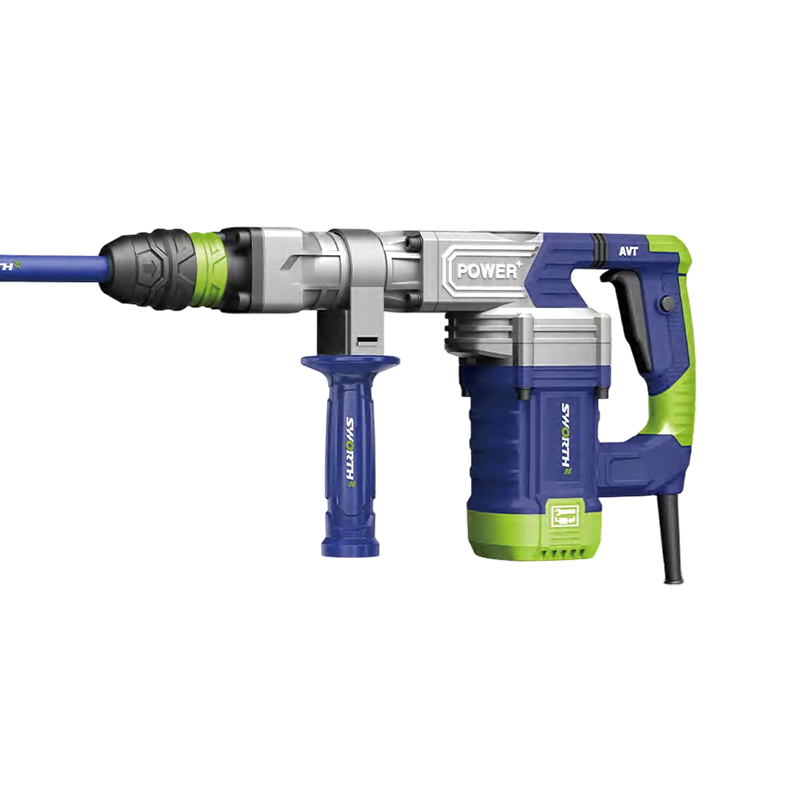
SW35S3 Five-Pipe Drill Bit Demolition Hammer
-

SW11E Five-Pipe Clamping Demolition Hammer
 +86-18314829275
 sale@sworthtools.com
 No. 101, Yugui Road, chengxi Industrial Zone, Yongkang City, Zhejiang Province, China
Copyright© Yongkang Siwei Technology Co., Ltd. All Rights Reserved

Hammer Tools & Cordless Garden Tools Manufacturer
