 English
 русский
 Español

SW9156 Heavy-Dust Cutting and Grooving Angle Grinder: Professional Power for Demanding Construction Work
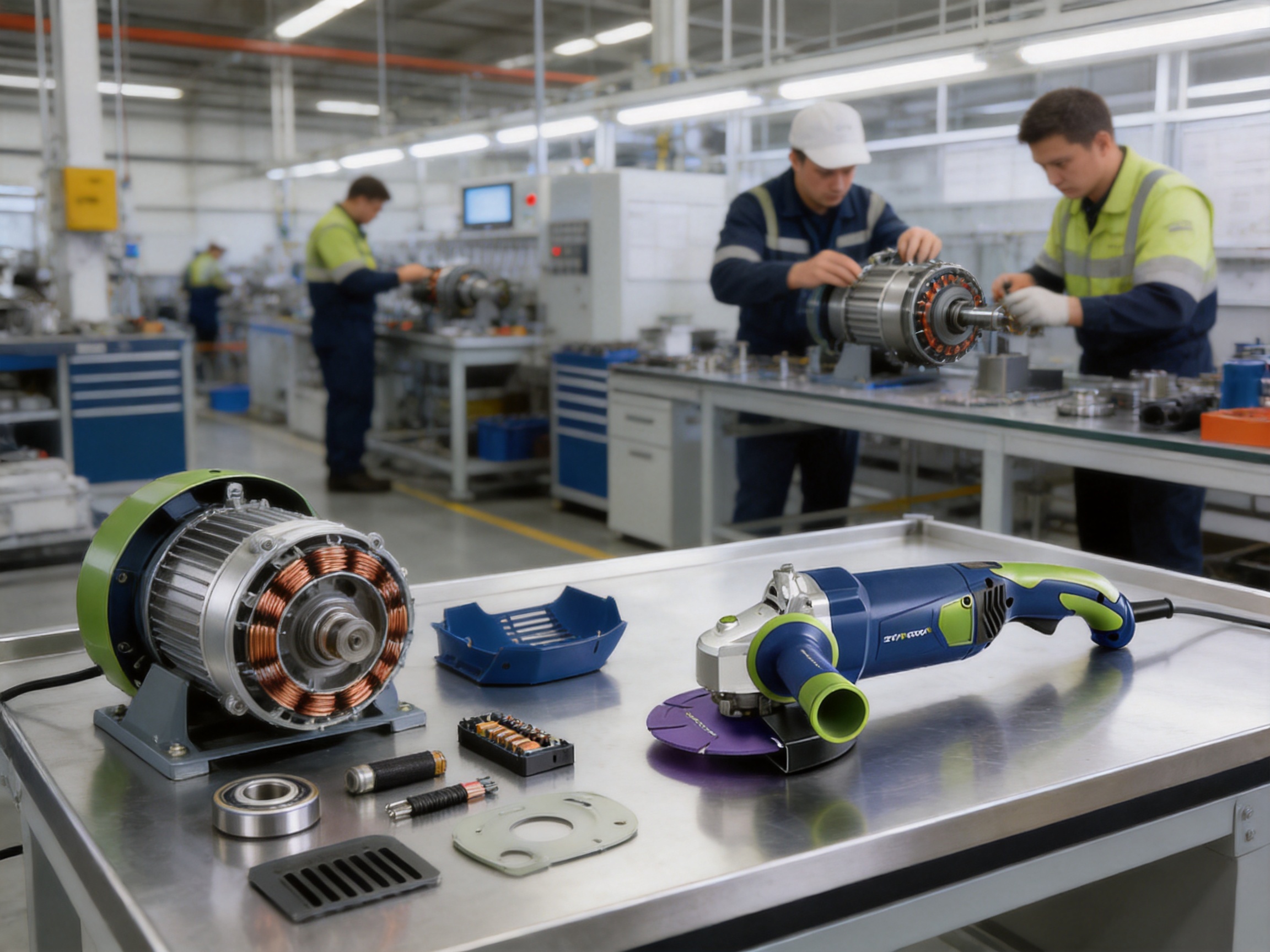
Cutting and grooving concrete, brick, masonry, and other mineral-based materials requires more than a high-wattage motor. Professional users need a tool that can maintain torque under load, resist abrasive dust, remain comfortable during extended operation, and provide dependable control from different working positions. The SW9156 Heavy-Dust Cutting and Grooving Angle Grinder is designed around these requirements, combining a 1700W motor, a 180-degree rotating rear handle, a durable mechanical structure, multiple dustproof systems, and improved heat dissipation in one heavy-duty platform.
As a specialized grooving and cutting tool, the SW9156 is intended for demanding construction, renovation, installation, and maintenance tasks. Its 150mm blade capacity supports controlled cutting and channeling operations, while its high-torque motor is engineered to deal with materials that place substantial stress on a power tool. The result is a machine suited to users who require reliable performance rather than a light-duty grinder intended only for occasional surface work.
Yongkang Siwei Technology Co., Ltd. develops and manufactures professional tools for construction and garden applications. Its experience with demolition hammers, chiseling tools, cutting equipment, brushless systems, electronic controls, and lithium battery platforms supports a product-development approach focused on practical performance. For the SW9156, this approach can be seen in the attention given to motor dimensions, commutator size, bearing selection, carbon brush structure, dust protection, handle positioning, and thermal stability.
Built for Heavy-Dust Cutting and Grooving
Construction cutting environments are among the most challenging conditions for electric tools. Concrete dust, brick particles, masonry debris, and abrasive mineral residue can enter ventilation paths and gradually affect the motor, bearings, switches, and other internal components. At the same time, the cutting wheel is often subjected to high resistance, intermittent loading, vibration, and repeated starting and stopping.
The SW9156 addresses these conditions as a complete system rather than relying on motor power alone. Its 1700W power input provides the energy needed for high-intensity work, while the internal structure is designed to support sustained operation. Multiple dustproof measures help limit the movement of fine particles toward critical components. Durable bearings and a reinforced brush holder contribute to dependable current transfer and smooth mechanical operation.
This combination gives the tool an important advantage over many general-purpose angle grinders. A conventional grinder may deliver adequate results for polishing, light cutting, or short-duty tasks, but heavy grooving work places greater demands on torque, cooling, structural rigidity, and contamination resistance. The SW9156 is purpose-oriented: it is designed to perform in an environment where dust and load are normal parts of the job.
The tool is particularly suitable for professional construction teams, electrical and plumbing installers, masonry contractors, renovation specialists, maintenance departments, and other users who need to create channels or make deep cuts in hard building materials. Depending on the chosen blade and work method, it may support cutting and grooving operations involving concrete, brick, block, and similar materials. Users should always select accessories that are correctly rated for the material and operating speed.

SW9156 Heavy-Dust Cutting and Grooving Angle Grinder
1700W High-Torque Motor for Demanding Work
The central performance feature of the SW9156 is its 1700W motor. Power input at this level gives the tool a strong operating reserve for work that causes significant resistance. When cutting into concrete or masonry, the motor must maintain useful rotational energy even as the blade meets changing density, embedded particles, and uneven surfaces. A high-torque design helps reduce the tendency to slow excessively when the tool is pressed into the workpiece under appropriate operating conditions.
Motor power is valuable only when supported by suitable components. The SW9156 uses a stator measuring Ø73 by 58H and a rotor measuring Ø44 by 58H. These dimensions reflect a substantial motor platform developed for demanding service rather than a compact, low-load grinder configuration. The stated 60H large motor design provides a foundation for strong output and improved resistance to intensive working cycles.
The larger 30.2mm commutator is another important detail. The commutator is a critical part of a brushed motor because it transfers electrical current between the stationary brushes and the rotating armature. A larger commutator can support a robust contact arrangement and help manage the electrical and mechanical stresses associated with high-power operation. In combination with large 7 by 13mm carbon brushes, the motor is configured for dependable current transfer during demanding use.
For professional buyers, these construction details matter because they show that the product has not been designed around headline wattage alone. The motor, commutator, brush dimensions, rotor, stator, and cooling structure must work together. A tool that produces strong power but has undersized contact components or inadequate heat management may suffer from shortened service life. The SW9156 instead emphasizes a balanced high-load architecture.
Stable Output Under Load
When a cutting tool encounters a harder section of concrete or a denser area of masonry, the motor experiences an immediate increase in load. A high-torque motor helps the operator continue through the material with fewer interruptions. This can improve productivity and reduce the need to repeatedly reposition the blade.
Stable output also benefits cutting quality. Excessive speed fluctuation can make it more difficult to maintain a straight channel or consistent groove depth. While the operator remains responsible for guiding the tool and controlling feed pressure, a motor that maintains useful power makes the process more predictable.
The SW9156 is therefore suited to applications where cutting performance must remain consistent across repeated workpieces. It is not merely a tool for occasional trimming. Its design supports professional workflows in which the same machine may be used for multiple channels, openings, or installation runs during a working day.
180-Degree Rotating Rear Handle
One of the most distinctive features of the SW9156 is its 180-degree rotatable rear handle. This design allows the handle position to be adjusted to suit the cutting direction, the workpiece orientation, and the operator’s posture. Instead of forcing the user to work with one fixed grip arrangement, the tool can be adapted to different site conditions.
Construction surfaces are rarely positioned at a convenient height or angle. A worker may need to cut a horizontal channel in a wall, make a vertical groove, work close to a floor, or operate in a confined area. A fixed rear handle can place the wrists and shoulders under unnecessary strain when the tool is turned into an awkward position. The adjustable handle helps the operator align the grip more naturally with the intended cutting path.
The 180-degree range also supports multi-angle cutting. This does not replace safe work practices or careful positioning, but it gives the user more flexibility when approaching the material. The operator can choose a handle orientation that improves balance and control instead of compensating for an unsuitable grip.
Ergonomics are especially important for a 1700W heavy-duty machine. Powerful tools can be physically demanding, particularly when used repeatedly. Better handle positioning can help distribute effort between both hands, improve body alignment, and reduce unnecessary twisting of the wrists. More comfortable operation may also help the user maintain consistent control over longer work periods.
Comfort and Control in Different Working Positions
The rotating rear handle is valuable in renovation and installation work because the tool may be used from multiple directions during the same project. For example, a contractor may need to prepare channels for water pipes, electrical conduits, communication cables, or heating systems. These channels can run across walls, along floors, or around structural features.
With a suitable handle position, the operator can keep the tool closer to the intended line of cut and avoid excessive side loading. Improved control can support cleaner grooves and help reduce accidental movement. The benefit is practical: better ergonomics may contribute to more efficient work, less operator fatigue, and a more comfortable working experience.
Before changing the handle position, the tool must be disconnected from the power supply and handled according to the operating instructions. The handle should be securely locked in the chosen position before starting work. A rotating handle is an ergonomic feature, not a substitute for correct setup, stable footing, eye protection, respiratory protection, and proper blade selection.
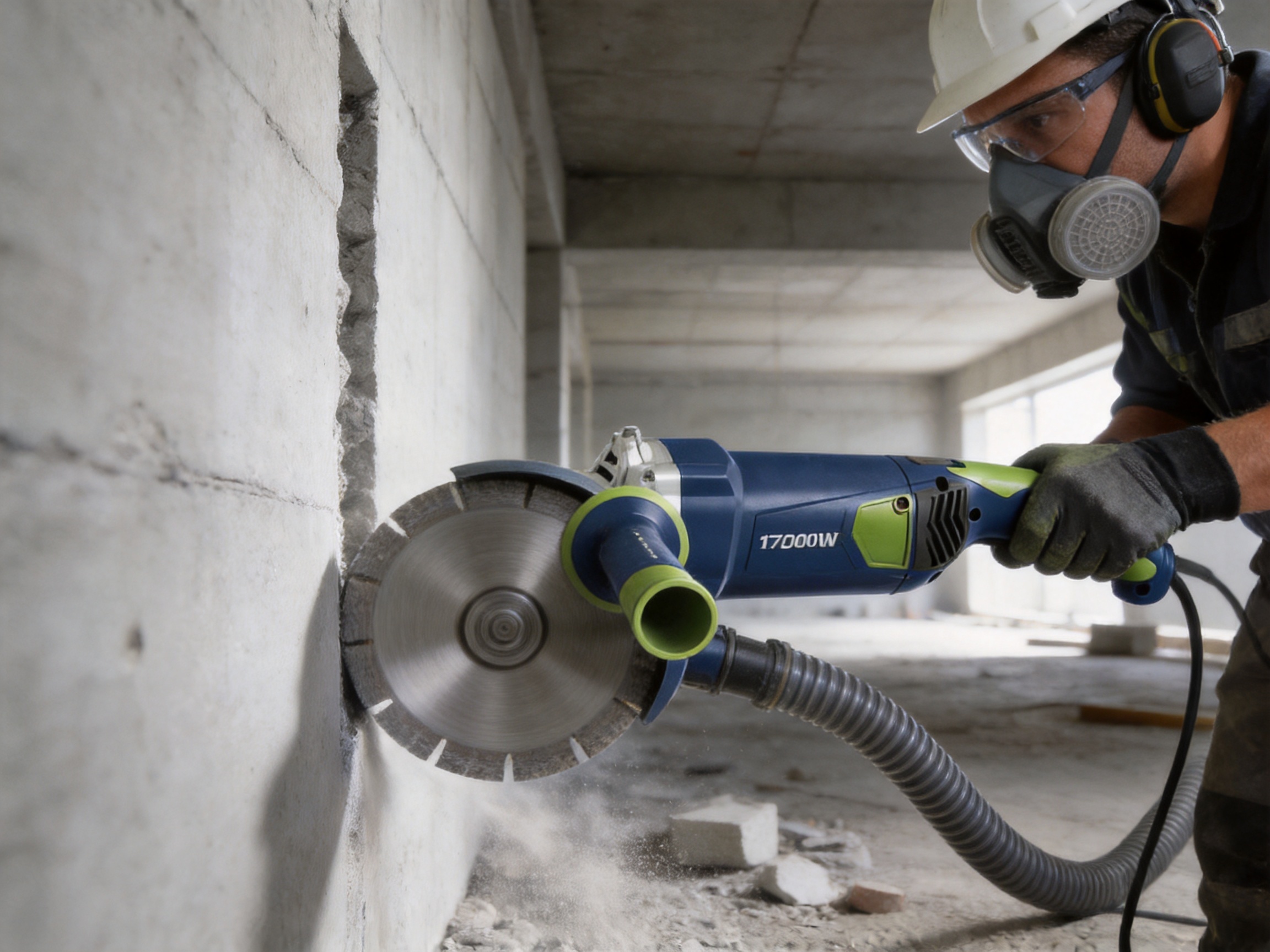
Multiple Dustproof Systems for Abrasive Environments
Dust is one of the most serious threats to power tools used on concrete and masonry. Fine particles can move through cooling openings, collect around the brush assembly, contaminate bearings, and accelerate wear on internal surfaces. In a cutting and grooving application, dust generation is not an occasional problem; it is part of the normal work environment.
The SW9156 incorporates multiple dustproof systems to help prevent dust from entering the motor and other critical components. This protection is intended to reduce contamination-related wear and support stable performance. By limiting the amount of abrasive material reaching sensitive areas, the tool is better prepared for repeated construction work.
Dust protection contributes to several aspects of service life. It can help preserve bearing operation, reduce abrasive wear around moving parts, and protect electrical contact areas from excessive deposits. It also supports more consistent motor operation because contamination is less likely to interfere with ventilation paths and internal components.
Compared with a basic grinder that has only minimal protection against airborne debris, a heavy-dust design offers an important advantage for professional applications. The difference becomes more significant when the tool is used frequently, when cutting takes place in dry conditions, or when the material produces large quantities of fine powder.
Dustproof construction should always be combined with responsible job-site practices. Operators should use suitable dust extraction where available, wear an appropriate respirator, clean the tool after use, inspect ventilation openings, and avoid allowing accumulated dust to remain around the motor housing. Product protection and operator maintenance work together to preserve performance.
Designed Around Real Construction Conditions
A product intended for heavy-dust work must account for more than the moment of cutting. It must withstand transport between job sites, repeated setup, changing work angles, intermittent operation, and exposure to debris. The SW9156’s durable structural design and protective systems are intended to support this type of professional use.
The machine’s construction reflects a practical understanding of how contractors work. The tool may be used in unfinished buildings, renovation areas, utility spaces, workshops, or outdoor construction zones. These environments can involve uneven surfaces, limited ventilation, changing temperatures, and large amounts of dust. A robust tool helps reduce interruptions caused by conditions that would be unsuitable for a lighter-duty product.
Effective Heat Dissipation for Continuous Operation
Heat is another major factor in the reliability of a high-power electric tool. The motor, commutator, brushes, bearings, and electrical connections all generate heat during operation. If heat accumulates excessively, it can accelerate insulation aging, reduce brush life, affect lubrication, and compromise the stability of internal components.
The SW9156 incorporates an effective heat-dissipation design to support stable and safe operation. Cooling is particularly important when the machine is used for prolonged grooving or repeated cuts. The goal is not simply to produce high power for a short period, but to help the tool remain dependable across demanding work cycles.
A well-managed thermal system can provide several benefits. It helps reduce the risk of overheating during appropriate use, supports consistent motor performance, and contributes to longer component life. It also allows professional users to organize their work more efficiently because the tool is better suited to sustained operation than a low-duty grinder.
Heat dissipation depends on both the tool design and the operator’s working method. Excessive pressure, a dull or unsuitable blade, blocked ventilation openings, and continuous operation beyond the recommended duty cycle can all increase heat generation. The SW9156’s cooling structure provides an important foundation, but operators should still allow the tool to work at its intended rate and observe all safety and maintenance instructions.
Thermal Stability and Productivity
Stable temperature management can improve productivity in repetitive work. If a tool overheats frequently, the operator may need to stop, wait for cooling, and restart the task. Unplanned interruptions can delay installation schedules and increase labor costs. A durable high-power machine with effective cooling is better suited to organized professional workflows.
Thermal stability can also support more consistent cutting behavior. Excessive heat may affect motor response and accelerate wear on brushes and other components. By helping maintain a more controlled operating temperature, the SW9156 is designed to provide dependable performance throughout appropriate working periods.
Precision-Oriented Mechanical Components
The SW9156 uses NSK bearings, a recognized component choice for demanding rotating machinery. Bearings influence smoothness, vibration, alignment, and durability. In a high-power cutting tool, bearing quality is especially important because the rotating assembly must handle speed, load, and the effects of vibration generated during contact with hard materials.
Reliable bearings can help the rotor run smoothly and maintain proper alignment within the motor housing. This supports efficient energy transfer and reduces unnecessary mechanical resistance. It may also contribute to more controlled operation when the tool is subjected to repeated cutting loads.
The improved brush holder structure is another notable design point. The brush holder must maintain stable contact between the carbon brushes and commutator while allowing appropriate movement as the brushes wear. A better structure can support reliable electrical transfer and reduce problems caused by unstable brush positioning.
The large 7 by 13mm carbon brushes provide a substantial contact area for a powerful brushed motor. Brush size, material, spring pressure, and holder design all influence motor reliability. Larger brushes can offer useful service capacity, although their actual life depends on operating conditions, load, cleanliness, and maintenance.
These components demonstrate the importance of looking beyond the external housing when comparing professional tools. The performance of a cutting machine is determined not only by its rated input power but also by the quality and compatibility of its internal mechanical and electrical systems.
Key Specifications
| Product type | Heavy-dust cutting and grooving angle grinder |
| Model | SW9156 |
| Rated voltage | 220–240V, 50/60Hz |
| Power input | 1700W |
| Blade size | 150mm |
| Stator dimensions | Ø73 × 58H |
| Rotor dimensions | Ø44 × 58H |
| Rear handle | 180-degree rotatable |
| Commutator | 30.2mm larger commutator design |
| Motor structure | 60H large motor design |
| Bearings | NSK bearings |
| Carbon brushes | 7 × 13mm large carbon brushes |
The specifications show that the SW9156 is configured for high-load cutting rather than light polishing or occasional household use. The 150mm blade size provides a practical balance between cutting capability, tool manageability, and accessory availability for many construction applications. The 220–240V, 50/60Hz electrical rating is appropriate for compatible power systems and should be verified before purchase or operation.
Advantages Compared with General-Purpose Grinders
General-purpose angle grinders are useful for many tasks, including light cutting, grinding, deburring, and surface preparation. However, a tool optimized for broad household use may not provide the same level of support for intensive concrete and masonry grooving. The SW9156 differentiates itself through a combination of power, dust resistance, handle flexibility, component selection, and thermal design.
First, the 1700W input provides a stronger platform for high-resistance work than many lower-powered grinders. This helps the machine manage demanding cuts with greater operating reserve.
Second, the 180-degree rear handle offers flexibility that fixed-handle products cannot provide. Users can adjust the tool to different cutting directions and postures, which is valuable on complex construction sites.
Third, the multiple dustproof systems are specifically relevant to concrete and masonry work. A tool that is not designed for heavy dust may experience faster contamination and wear when exposed to repeated grooving operations.
Fourth, the larger commutator, large carbon brushes, NSK bearings, and improved brush holder structure indicate attention to the internal components that support long-term performance.
Fifth, the heat-dissipation design helps the tool remain stable during appropriate continuous or repetitive work. This is important for professional users who measure productivity by completed channels, cuts, and installations rather than by occasional short-term operation.
These advantages are not based on one isolated feature. They result from the way the motor, handle, protective structure, cooling system, and mechanical components work together. That system-level design is what makes the SW9156 a more suitable choice for heavy-duty grooving than a basic grinder selected only by price or nominal power.
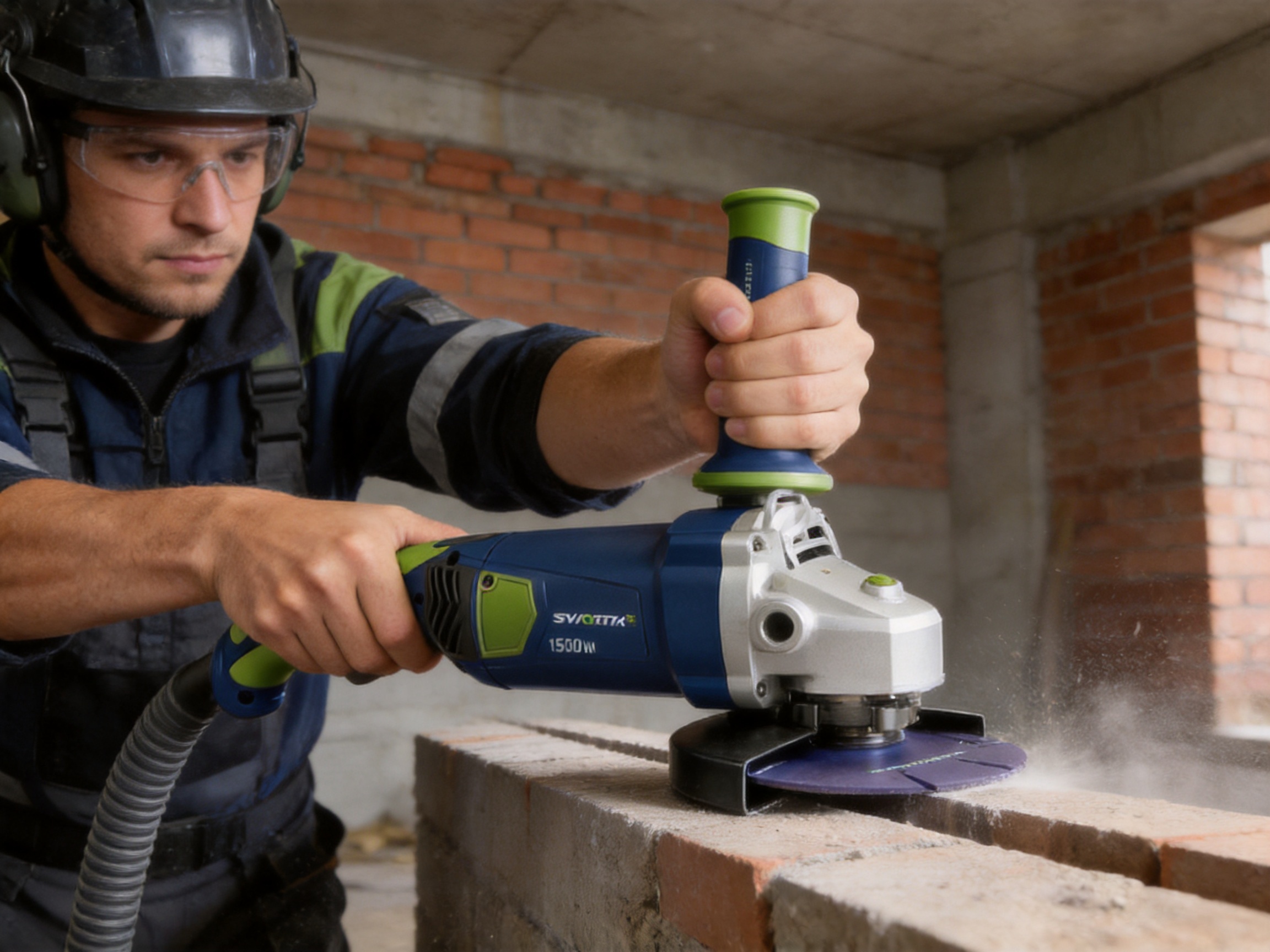
Applications in Construction and Renovation
The SW9156 is designed for cutting and grooving operations in materials such as concrete, brick, and other masonry products. Its potential applications include preparing channels for electrical wiring, plumbing pipes, communication cables, and other building services. It may also be used for selected cutting tasks in renovation and maintenance work when the correct blade and operating procedure are applied.
Electrical Installation
Electrical installers often need to create straight channels for conduits and cables. A powerful grooving tool can help remove material efficiently and prepare a consistent route. The rotating rear handle may be useful when cutting horizontal lines, vertical lines, or channels near corners and other obstructions.
Plumbing and Utility Work
Plumbing and utility installations can require channels with sufficient depth and width for pipes or protective sleeves. The SW9156’s high-torque motor is suited to the resistance encountered in hard masonry, while its dustproof design supports work in environments where large amounts of mineral dust are produced.
Renovation and Remodeling
During renovation projects, contractors may need to alter existing walls, floors, or masonry structures. Conditions can be unpredictable because old surfaces may contain different densities or previous repairs. A durable grinder with a strong motor and flexible handle can help users respond to changing work positions and material resistance.
Maintenance and Professional Repair
Maintenance teams may use heavy-duty cutting tools for openings, repairs, channel preparation, and removal of damaged sections. The SW9156 is suitable for professional environments where the tool must be stored, transported, and repeatedly returned to service.
In all applications, users must confirm that the selected accessory is intended for the material, diameter, speed, and cutting method. The machine should not be used for materials or procedures outside the manufacturer’s instructions.
Manufacturing Strengths of Yongkang Siwei Technology Co., Ltd.
Yongkang Siwei Technology Co., Ltd. is a professional tool manufacturer integrating research and development, production, and sales. This integrated structure supports closer coordination between product design, component selection, manufacturing, quality control, and customer requirements.
The company follows a “Focus on Professionalism, Quality First” approach. In practical terms, this means placing attention on the details that influence tool performance under demanding conditions. For a product such as the SW9156, those details include motor construction, structural durability, electrical components, thermal management, dust protection, ergonomic adjustment, and serviceability.
The company specializes in demolition hammers and chisel cutting tools, giving it experience with products that must withstand impact, vibration, high load, and abrasive job-site conditions. This background is relevant to the development of heavy-duty angle grinders because both product categories require robust mechanical design and careful attention to durability.
Research and Development Capability
Product development begins with understanding how tools are used in real working environments. Professional operators expect strong output, reliable starting, manageable vibration, practical controls, and a service life appropriate to the purchase investment. The SW9156 reflects this development philosophy through its focus on high-torque output, dust resistance, handle adjustability, and durable internal components.
The company also has experience in high-efficiency brushless motors, electronic control systems, and intelligent battery platforms for green garden tools. Although the SW9156 is a corded brushed angle grinder, this broader technical experience demonstrates an ongoing focus on motor efficiency, control systems, power delivery, and user-oriented product design.
Process and Material Attention
Professional tool manufacturing requires consistent control over materials and processes. Motor laminations, copper windings, commutators, brushes, bearings, gears, housings, switches, and fasteners must be assembled accurately to create a reliable finished product. Small variations in alignment, insulation, brush pressure, or bearing seating can affect vibration, heat, and service life.
By specifying a large motor, a 30.2mm commutator, NSK bearings, and large carbon brushes, the SW9156 demonstrates a component strategy centered on heavy-duty use. These specifications are meaningful because they can be inspected and controlled during production. They provide a foundation for repeatable assembly and product evaluation.
Quality-Oriented Production
Quality control for a high-power grinder should include inspection of electrical safety, motor operation, switch function, handle locking, mechanical noise, vibration, accessory alignment, and thermal behavior. Dust protection and housing assembly should also be checked because gaps or improper fitting can reduce the effectiveness of protective systems.
A manufacturer with integrated development and production capabilities can use field feedback to improve future versions and maintain closer control of corrective actions. This helps create a product range that is more responsive to the actual needs of contractors and distributors.
Why Professional Buyers Should Consider the SW9156
Professional buyers evaluate tools differently from occasional users. They consider not only the purchase price but also productivity, downtime, service requirements, operator comfort, replacement parts, and the ability to work under difficult conditions. A product that performs reliably over many projects can offer better overall value than a cheaper tool that requires frequent replacement or repair.
The SW9156 supports this evaluation through its heavy-duty specification. Its 1700W motor provides strong capacity for demanding cutting. Its dustproof systems are relevant to concrete and masonry environments. Its rotating handle supports operator flexibility. Its cooling structure helps manage heat. Its internal component choices provide a practical foundation for durability.
For distributors, the product offers a clear position in the professional tool market. It can be presented as a specialized heavy-dust cutting and grooving machine rather than another generic grinder. This positioning helps customers understand why the product is suitable for construction applications that place greater demands on tools.
For contractors, the value lies in having a machine designed around actual job-site problems. The combination of power and ergonomics may help complete work more efficiently, while the protective design can support better long-term reliability when the tool is maintained correctly.
Operating Practices for Best Results
Proper operating technique is essential for achieving the best performance from any powerful cutting tool. The operator should inspect the machine, power cord, switch, handle, guard, and accessory before each use. Any damaged or loose component should be repaired or replaced before operation.
The correct blade must be selected for the material and cutting method. A blade that is unsuitable, worn, cracked, incorrectly mounted, or operated beyond its rated speed can create a serious hazard. The blade should be installed according to the manufacturer’s instructions and checked for secure seating.
The operator should hold the tool firmly with both hands and maintain stable footing. The workpiece must be supported securely so that it cannot move unexpectedly. The tool should be guided with controlled pressure rather than forced into the material. Excessive pressure can increase heat, overload the motor, reduce accessory life, and make the tool more difficult to control.
Dust control should be used whenever possible. Suitable extraction equipment, ventilation, and personal respiratory protection can reduce exposure to airborne particles. Eye protection, hearing protection, gloves suitable for the task, protective clothing, and safety footwear should also be considered.
After operation, the tool should be disconnected from the power supply before inspection or cleaning. Dust should be removed from the housing and ventilation areas using an appropriate method. The power cord, handle lock, accessory mounting system, and carbon brushes should be inspected regularly according to the service schedule.
Maintenance and Service Considerations
Routine maintenance helps protect the investment in a professional angle grinder. Cleaning is particularly important for a heavy-dust tool. Accumulated material around ventilation openings can restrict airflow and reduce cooling effectiveness. Dust deposited around the switch, cord entry, and moving joints should also be removed carefully.
Carbon brushes are wear components. Their service life depends on load, operating duration, dust conditions, commutator condition, and usage technique. When brushes reach the permitted wear limit or show signs of damage, they should be replaced with suitable parts. Continued use with excessively worn brushes can affect motor performance and may damage the commutator.
Bearings and other internal components should be inspected by qualified service personnel if unusual noise, excessive vibration, overheating, burning odor, or unstable operation occurs. Attempting to continue working after such symptoms appear can increase the extent of damage.
The rotating rear handle should be kept clean and checked for secure locking. If the handle does not hold its selected position firmly, the tool should not be used until the issue has been corrected. Handle stability is important for safe control, especially during high-resistance cutting.
Professional users should keep service records for frequently used machines. Recording operating hours, brush replacement, accessory changes, inspections, and repairs can help identify wear patterns and schedule maintenance before a failure interrupts a project.
Q&A
What type of tool is the SW9156?
The SW9156 is a heavy-dust cutting and grooving angle grinder designed for demanding construction and renovation applications. It is intended for cutting and channeling in concrete, brick, masonry, and similar materials when used with the appropriate accessory.
How powerful is the motor?
The tool has a rated power input of 1700W. Its high-torque motor is designed to maintain strong performance during high-resistance cutting and grooving operations.
What blade size does it use?
The specified blade size is 150mm. Users should select a blade that matches the application, tool requirements, and material being cut.
What is the benefit of the rotating rear handle?
The rear handle rotates through 180 degrees, allowing the operator to adjust the grip for different cutting directions, workpiece positions, and operating postures. This can improve flexibility, comfort, and control during multi-angle work.
Is the tool suitable for concrete and brick?
Yes. The product is designed for high-intensity grooving and cutting operations on concrete, brick, and other suitable masonry materials. The correct blade and safe operating procedure must always be used.
Why is dust protection important?
Concrete and masonry produce abrasive dust that can enter a tool and accelerate wear. The SW9156 uses multiple dustproof systems to help reduce the entry of dust into the motor and critical components, supporting more stable performance and longer service life.
Does the tool support continuous operation?
The durable structure and heat-dissipation design are intended to support prolonged and repetitive professional operation. However, the tool must be used within the recommended duty cycle, with suitable pressure, proper accessories, and unobstructed ventilation.
What internal components support durability?
The product includes a larger 30.2mm commutator, a 60H large motor design, NSK bearings, an improved brush holder structure, and 7 by 13mm carbon brushes. These features support electrical transfer, mechanical stability, and reliable operation under demanding conditions.
Is the SW9156 suitable for household users?
It can be used by experienced users who understand power-tool safety, but its 1700W heavy-duty design is primarily intended for professional construction, renovation, installation, and maintenance work. It may be more tool than necessary for occasional light household tasks.
What should users do to control dust?
Users should apply suitable dust extraction and ventilation practices where possible and wear appropriate respiratory and eye protection. The tool should be cleaned after use, and its ventilation openings should remain clear.
What power supply does it require?
The rated electrical specification is 220–240V at 50/60Hz. Buyers should verify that the local power supply, plug configuration, and electrical protection are compatible before operation.
Who manufactures the tool?
The SW9156 is manufactured by Yongkang Siwei Technology Co., Ltd., a professional tool manufacturer involved in research and development, production, and sales of construction and garden equipment.
Conclusion
The SW9156 Heavy-Dust Cutting and Grooving Angle Grinder is designed for professionals who need reliable cutting performance in difficult construction environments. Its 1700W high-torque motor provides strong output for concrete, brick, and masonry work, while the 150mm blade capacity supports practical grooving and cutting applications.
The product’s main advantage is the integration of several professional features. The 180-degree rotating rear handle improves flexibility and operator comfort. Multiple dustproof systems help protect the motor and critical components from abrasive particles. Effective heat dissipation supports stable operation during demanding work cycles. The larger commutator, large carbon brushes, improved brush holder, NSK bearings, and substantial motor design add further support for durability.
These features reflect the manufacturing strengths of Yongkang Siwei Technology Co., Ltd., including product development experience, professional tool production, attention to component quality, and a focus on demanding user requirements. For contractors, installers, renovation teams, and distributors seeking a specialized high-power grooving tool, the SW9156 offers a practical combination of performance, flexibility, protection, and long-term value.
References
1. Product technical information supplied for the SW9156 Heavy-Dust Cutting and Grooving Angle Grinder.
2. General principles of abrasive cutting and grinding tool safety.
3. Professional power-tool maintenance practices for brushed electric motors.
4. Construction-site guidance for concrete and masonry dust control.
5. General engineering references concerning electric motor cooling, commutator design, carbon brush operation, and bearing performance.
Product: SW9156 Heavy-Dust Cutting and Grooving Angle Grinder

Recommended Products
-


SW528 Small Hole Rebar Hammer
-
SW932 Groove Sandblasting Hammer
-
SW9362A Large Hole Rebar Hammer
-
SW940 Enlarged Hole Rebar Hammer
-
SW35S1 Powerful Demolition Hammer
-
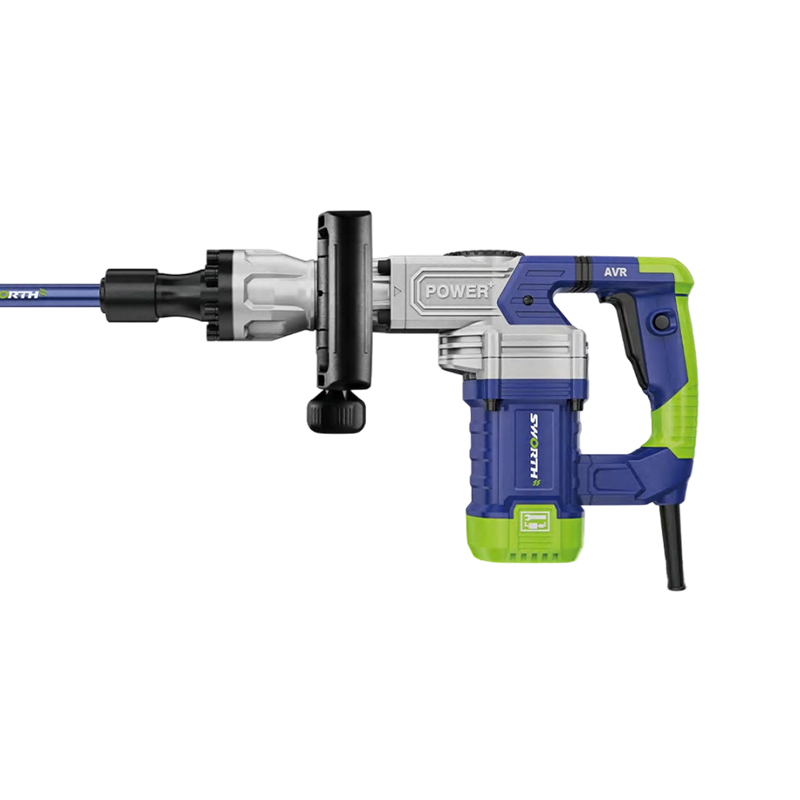
SW35S2 High-Efficiency Heat Dissipation Demolition Hammer
-
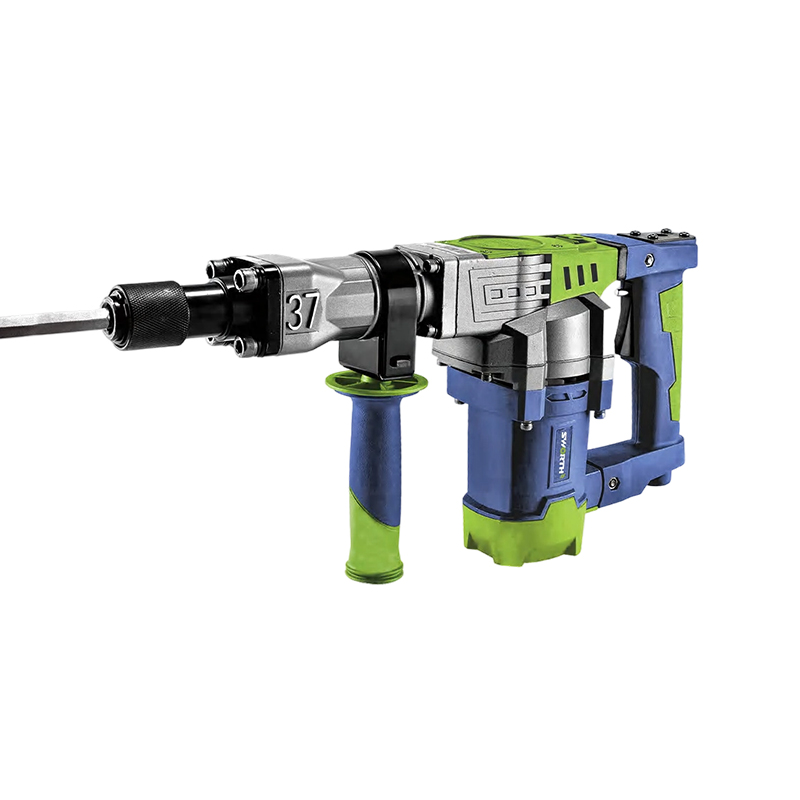
SW9371 High-Power Demolition Hammer
-
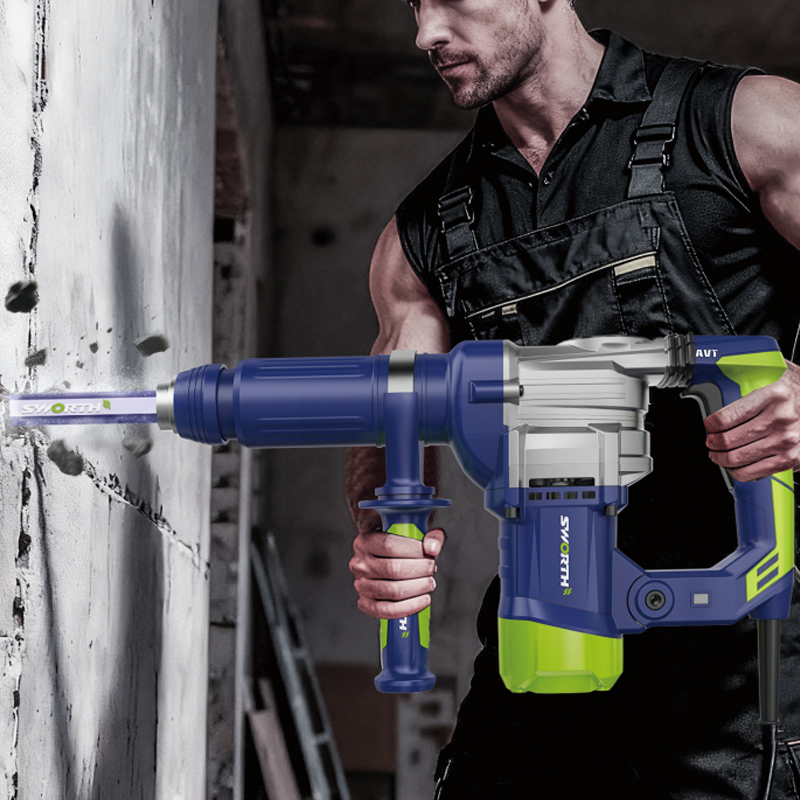
SW9373 Anti-Scalding Carbon Brush Holder Demolition Hammer
-
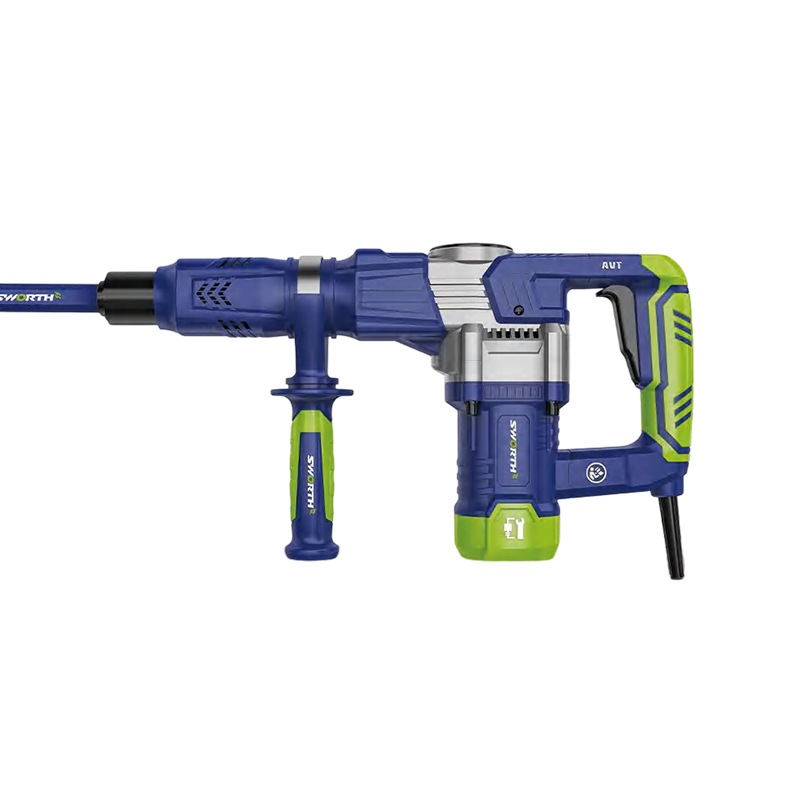
SW535 Powerful Anti-Scalding Demolition Hammer
-
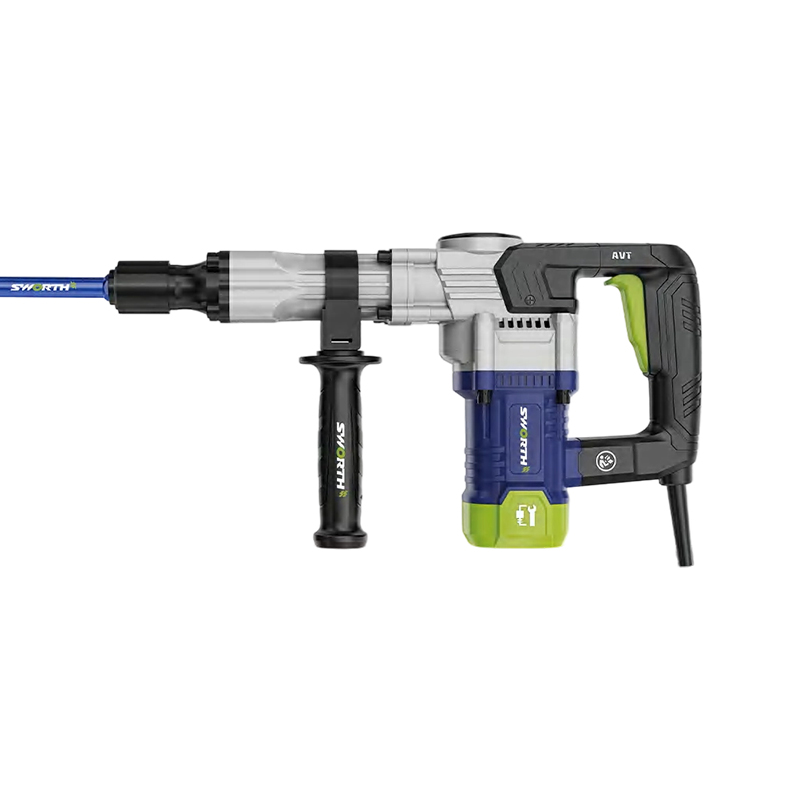
SW535-2 Durable Powerful Demolition Hammer
-
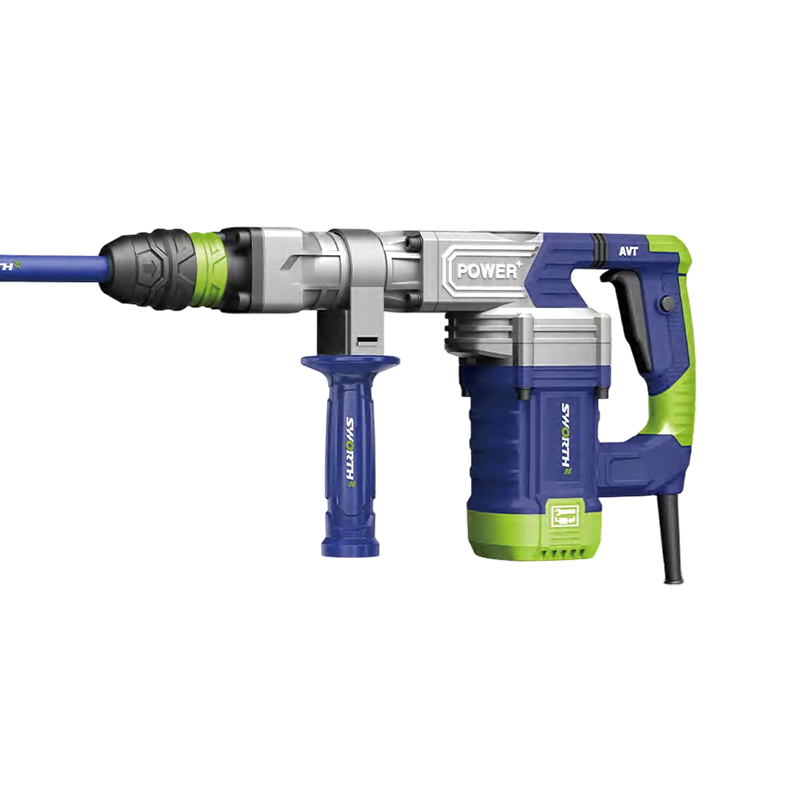
SW35S3 Five-Pipe Drill Bit Demolition Hammer
-

SW11E Five-Pipe Clamping Demolition Hammer
 +86-18314829275
 sale@sworthtools.com
 No. 101, Yugui Road, chengxi Industrial Zone, Yongkang City, Zhejiang Province, China
Copyright© Yongkang Siwei Technology Co., Ltd. All Rights Reserved

Hammer Tools & Cordless Garden Tools Manufacturer
