 English
 русский
 Español

Long-Iron-Head 1900W Demolition Hammer for High-Strength Breaking Work
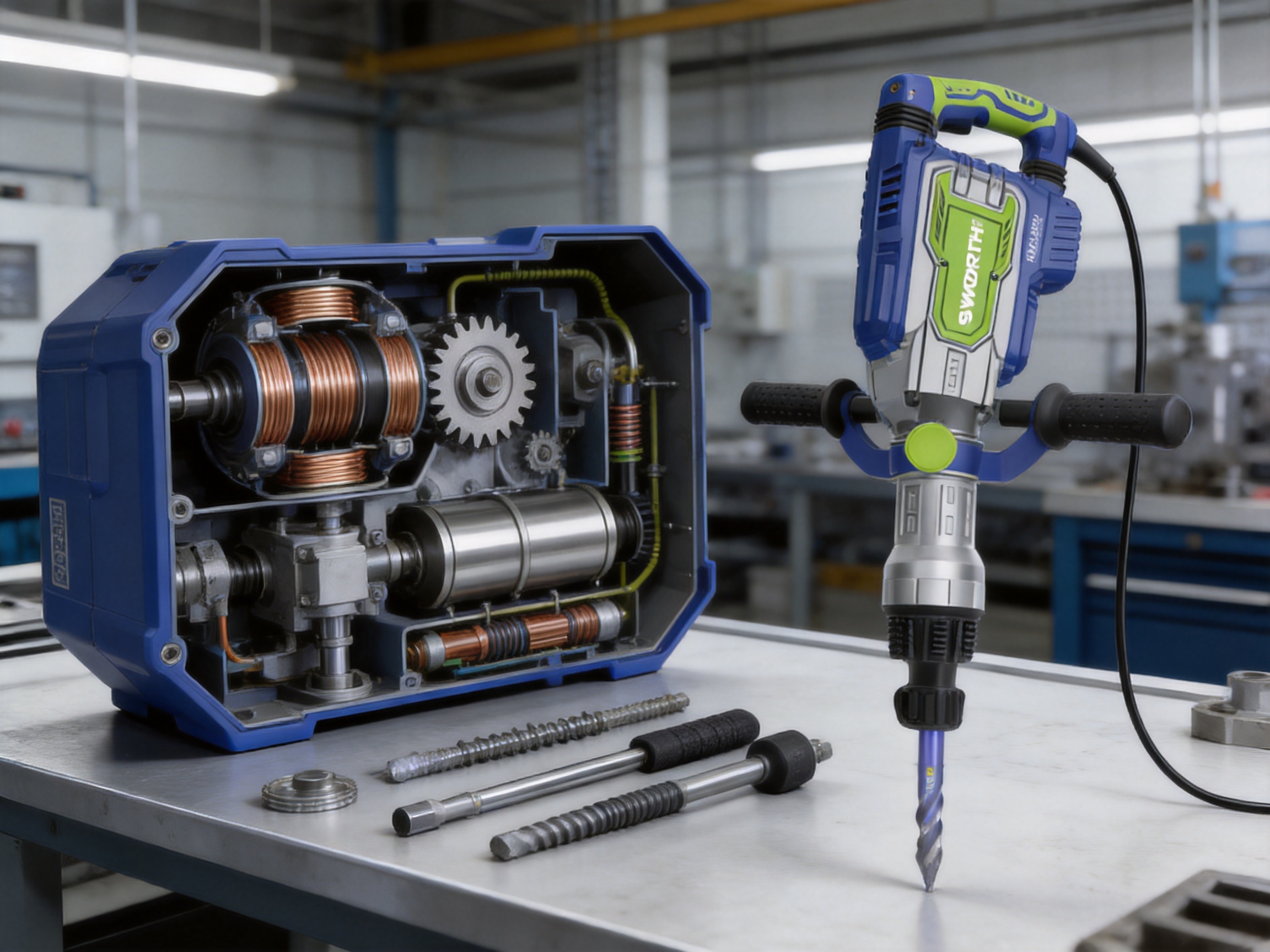
Demolition work demands more than raw motor power. A professional demolition hammer must deliver concentrated impact energy, remain stable under severe vibration, withstand demanding jobsite conditions, and protect the operator during long periods of use. The SW9129 Long Iron Head Large Demolition Hammer is designed around these requirements. With a 1900W motor, 65J impact energy, a 2000bpm impact rate, a forged iron head, dual anti-vibration handles, and carefully selected internal components, it is built for breaking concrete, brick, masonry, and other high-strength materials.
The tool is intended for professional users who need dependable performance in construction, renovation, infrastructure maintenance, foundation work, road repair, and general demolition. Its long iron head structure helps concentrate impact force and improves breaking stability, while the optimized power and heat-dissipation design supports efficient operation. At the same time, ergonomic features such as a soft rubber grip, large switch, and upper-and-lower shock absorption help reduce discomfort and fatigue.
Rather than relying on a single specification, the SW9129 combines power, impact transmission, structural durability, operator comfort, and manufacturing discipline. This balanced approach gives it important advantages over basic demolition hammers that may offer high wattage but lack vibration control, over compact tools that sacrifice impact energy for portability, and over poorly reinforced models that are more vulnerable to head cracking, gear wear, or premature cylinder damage.
Designed for Serious Demolition Applications
A demolition hammer works in an especially demanding environment. Unlike a drill that rotates through a material, a demolition hammer repeatedly drives a chisel forward with powerful impacts. Every stroke places pressure on the motor, gear train, cylinder, locking mechanism, front housing, and operator’s hands. If any one of these elements is poorly designed, the machine may lose efficiency, transmit excessive rebound, or suffer accelerated wear.
The SW9129 is engineered as a dedicated electric pick for heavy breaking applications. Its 1900W power input provides a strong electrical foundation for demanding work, while the rated impact energy of 65J supports aggressive material removal. The 2000bpm no-load impact rate provides a practical balance between impact force and working speed. This combination allows the tool to attack dense materials efficiently instead of depending on a very high impact frequency with insufficient energy per blow.
Typical applications include breaking concrete slabs, opening masonry walls, removing damaged foundations, dismantling brick structures, cutting channels for utilities, removing old paving, and preparing surfaces for repair. With the appropriate chisel and proper operating technique, it can also assist in controlled demolition around construction sites, renovation projects, and industrial maintenance environments.
The long iron head is a central feature of the design. By providing a robust and extended front structure, it helps stabilize the working assembly and maintain more direct impact transmission toward the chisel. This design can make the tool feel more controlled when the operator is working against hard, resistant material. It also supports a more stable contact position, which is important when the chisel must remain accurately placed during repeated blows.
Core Performance Specifications
| Specification | Value | Practical Benefit |
|---|---|---|
| Rated voltage | 220–240V, 50/60Hz | Suitable for compatible electrical systems in many professional markets |
| Power input | 1900W | Provides strong output capability for demanding demolition tasks |
| No-load impact rate | 2000bpm | Supports efficient repeated breaking action |
| Impact energy | 65J | Delivers powerful blows against concrete, brick, and masonry |
| Stator diameter | Ø94 × 45H | Large motor structure designed for stable power delivery |
| Rotor diameter | Ø53 × 45H | Supports effective electromagnetic conversion and motor durability |
| Gear design | Six-tooth rotating gear | Designed to provide higher torque and reliable force transmission |
| Front construction | Integral forged iron head | Improves strength and resistance to cracking |
| Handle system | Upper and lower anti-vibration handles | Reduces transmitted vibration, rebound, and hand fatigue |
The specifications show that the SW9129 is not designed as a light-duty household tool. Its power class, impact energy, front-end construction, and reinforced internal components place it in the category of heavy-duty demolition equipment. Professional buyers can use these specifications to compare the model with other electric picks according to intended material, operating duration, electrical supply, and jobsite requirements.
1900W Power for High-Resistance Materials
The motor is the energy source of the entire demolition system. A 1900W input rating gives the SW9129 sufficient capacity for repeated impact work where weaker tools may slow down, stall, or require excessive pressure from the operator. Strong motor performance is especially valuable when the chisel encounters reinforced concrete, dense brick, thick masonry, or compacted construction material.
High power alone does not guarantee high productivity. The motor must work together with the gears, crank mechanism, cylinder, piston, and chisel holder. The SW9129 uses a six-tooth rotating gear to support higher torque and effective power transmission. This arrangement is designed to transfer motor energy into the impact mechanism with stability, helping the tool maintain strong working action under load.
Compared with entry-level demolition hammers that may use smaller motors or less robust gear systems, the SW9129 offers a stronger working reserve. That reserve can reduce the need for the operator to force the tool into the material. Correct technique remains essential, but a powerful and properly matched impact system can improve progress while helping maintain more consistent performance throughout the job.
The motor dimensions also reflect a substantial drive system. A stator diameter of Ø94 × 45H and a rotor diameter of Ø53 × 45H indicate a motor platform designed around strong electromagnetic performance. These dimensions should not be considered in isolation, but together with the 1900W rating, they demonstrate that the tool has been developed for serious impact work rather than occasional light chiseling.
65J Impact Energy and Efficient Breaking
Impact energy is one of the most important specifications for a demolition hammer. It describes the energy delivered by each blow and has a direct influence on how effectively the tool can fracture or separate hard materials. With a stated impact energy of 65J, the SW9129 is built to deliver powerful individual strikes instead of merely vibrating against a surface.
When the chisel is placed correctly, each impact creates stress inside the material. Repeated impacts extend cracks, loosen aggregate, and break the structure into removable sections. A strong impact level is particularly useful when starting a break in thick concrete or when removing material that has resisted lighter equipment.
The 2000bpm no-load impact rate complements the high impact energy. A tool with very high energy but a poorly controlled impact frequency may be difficult to operate efficiently, while a tool with a high frequency and low energy may take too long to penetrate hard material. The SW9129 aims for a balanced combination: powerful blows delivered at a rate suitable for practical demolition work.
Compared with smaller electric chisels, this energy level can help reduce the number of passes required for a given section of material. It may also support larger chisel movement and more decisive material removal. Actual productivity will vary according to concrete grade, reinforcement, chisel type, operator technique, ambient conditions, and the condition of the machine, but the core design is clearly focused on high-strength breaking.

SW9129 Long Iron Head Large Demolition Hammer
Long Iron Head for Stability and Force Concentration
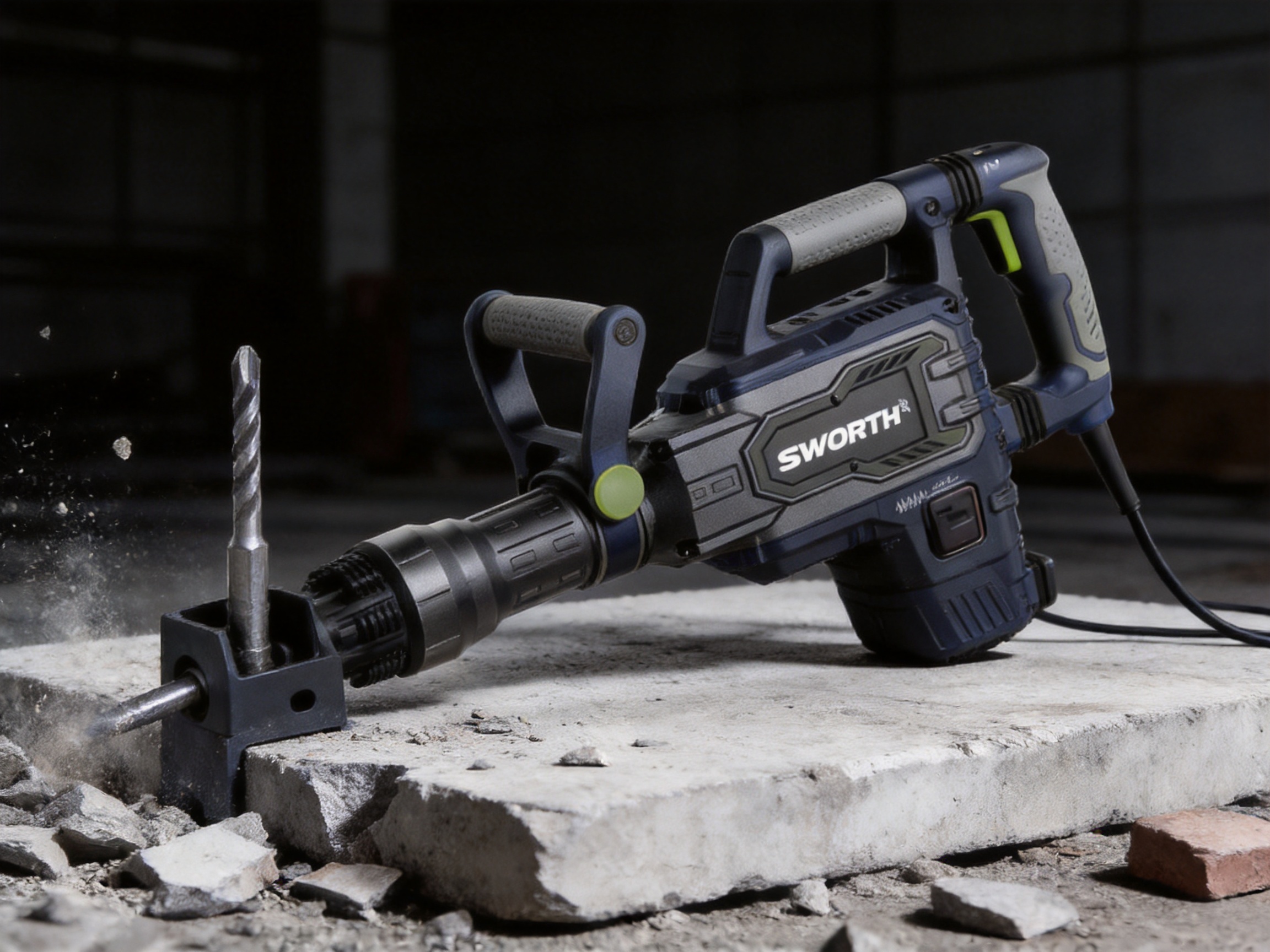
The front head of a demolition hammer must withstand repeated shock, friction, and side loading. It also serves as the connection between the internal impact mechanism and the chisel. The SW9129 uses an integral forged iron head to strengthen this critical area. Forging creates a dense and durable metal structure that is well suited to components exposed to repeated impact.
The long-head configuration provides more than additional length. It helps support the working assembly and contributes to a stable relationship between the internal cylinder, locking rod, and chisel. When the tool is pressed against concrete or masonry, a rigid front structure can help maintain impact alignment and reduce unnecessary movement.
Force concentration is another advantage. A stable head allows a greater proportion of the mechanism’s energy to reach the chisel and the target material. If the front housing flexes excessively or the impact path is poorly supported, some energy may be lost through vibration, movement, or deformation. The forged long iron head is intended to limit these problems and support more direct working action.
The integral construction also addresses a common weakness found in inferior demolition tools: cracking around the front housing. Demolition creates repeated stress concentrations, particularly near joints, threaded sections, and areas where different materials meet. A carefully produced forged head can offer stronger continuity and better resistance than a lightly constructed or poorly reinforced front assembly.
For contractors, this design can be valuable in projects where the machine must operate repeatedly rather than perform a short occasional task. A durable front head supports longer service life, reduces the risk of unplanned downtime, and helps preserve the tool’s working feel as the project continues.
Dual Anti-Vibration Handle System
Operator comfort is directly connected to productivity and safety. Vibration from a demolition hammer travels through the handle and into the user’s hands, wrists, arms, and shoulders. Extended exposure can cause numbness, discomfort, loss of control, and premature fatigue. The SW9129 addresses this issue with an upper-and-lower double anti-vibration handle system.
The dual-handle arrangement is designed to absorb vibration and impact from two positions rather than relying on a single grip point. It also helps manage rebound when the chisel encounters hard or uneven material. By reducing the amount of shock transferred to the operator, the system can make the tool more comfortable during extended working sessions.
The main handle is covered with soft rubber. This material provides a more comfortable contact surface than bare hard plastic or exposed metal. Its anti-slip texture helps the operator maintain control when wearing work gloves or when the jobsite environment is dusty. A secure grip is particularly important during vertical, horizontal, or overhead work, where changes in tool position can increase strain.
The large switch is designed for comfortable pressing and holding. A well-positioned switch can reduce finger pressure and simplify continuous operation. The switch and handle should still be used with appropriate personal protective equipment and safe operating practices, but ergonomic controls can help the operator maintain a steady grip while focusing on chisel placement.
Compared with conventional single-handle demolition hammers, the double anti-vibration arrangement gives the SW9129 a clear ergonomic advantage. It does not eliminate vibration entirely, and no demolition hammer should be operated without appropriate breaks and protective equipment. However, reducing transmitted shock can contribute to better control, less discomfort, and more consistent productivity.
Reinforced Internal Components
External appearance is only one part of a demolition hammer’s durability. The internal components determine whether the tool can withstand the repeated mechanical stress of professional use. The SW9129 incorporates several specified material and structural improvements aimed at increasing working life.
35CrMo Carburized Locking Rod
The locking rod is an important load-bearing component in the chisel retention system. It must resist repeated impact, friction, and deformation while keeping the working accessory properly secured. The SW9129 uses a 35CrMo locking rod with a carburizing process.
35CrMo alloy steel is known for its strength and toughness when correctly processed. Carburizing increases surface hardness while helping preserve a tougher internal core. This combination is useful for parts exposed to wear and impact because the surface can resist abrasion while the core provides resistance to sudden fracture.
According to the product design information, the working life of the locking rod is increased by approximately 30 percent through this process. Actual service life depends on operating conditions, lubrication, maintenance, chisel quality, and loading, but the material and treatment selection demonstrate attention to a component that is often overlooked in lower-cost equipment.
Enlarged Carbon Brushes
The brush holder structure uses enlarged 7 × 17 × 24 carbon brushes. Carbon brushes transfer electrical current to the rotating armature in a brushed motor. Their size, contact quality, cooling conditions, and replacement access all affect motor performance and serviceability.
Larger brushes can provide a greater contact area and may support longer operating intervals when properly matched to the motor. They also contribute to stable current transfer under demanding load conditions. The brush holder structure is intended to keep the brushes correctly positioned and support reliable contact during operation.
Because carbon brushes are wear components, periodic inspection remains important. Operators should follow maintenance instructions, monitor unusual sparking or power loss, and replace brushes when they reach the recommended service limit. The enlarged design is an advantage, but proper maintenance is still necessary to protect the commutator and preserve motor efficiency.
20CrMnTi Cylinder
The cylinder is central to the impact mechanism. It guides the piston and helps convert the rotating motion of the motor and gears into repeated linear blows. It must tolerate pressure, friction, heat, and vibration throughout the working cycle.
The SW9129 uses a cylinder made from 20CrMnTi. This alloy is commonly associated with components requiring strength, wear resistance, and suitable surface treatment. The product design information indicates that the cylinder’s working life is doubled compared with the previous construction or reference design.
A durable cylinder helps protect the internal impact mechanism. When the cylinder wears prematurely, the tool may lose impact strength, produce irregular noise, consume more power, or develop excessive internal clearance. By selecting a stronger material and applying an appropriate manufacturing process, the design aims to preserve performance over a longer service period.
Advanced Manufacturing and Quality-Focused Production
The company behind the product is a professional tool manufacturer integrating research and development, production, and sales. Its stated manufacturing philosophy emphasizes professional focus and quality first. This integrated structure can support closer coordination between product design, component selection, assembly, testing, and customer feedback.
For a demolition hammer, manufacturing quality is particularly important because performance depends on precise relationships between many parts. The motor, stator, rotor, gears, crank mechanism, piston, cylinder, locking rod, front head, handles, and electrical controls must work together under severe repeated loading. A small alignment error or unsuitable material can affect noise, vibration, impact strength, and service life.
The use of integral forged iron for the front head is one example of process-focused manufacturing. Forging is selected when a component must provide high mechanical strength and resistance to impact. The locking rod’s carburizing process is another example. Instead of treating every part as a generic replacement, the design assigns a material and process appropriate to the component’s working conditions.
The company also emphasizes the use of high-quality materials and advanced processes for products intended to withstand harsh working conditions. This approach is relevant to professional buyers who need tools that can perform reliably at construction sites rather than products designed only for occasional use.
Manufacturing strengths also include product specialization. The company focuses on demolition hammers and chisel-cutting tools, giving it experience with the mechanical requirements of impact equipment. Its product development has also expanded into brushless motors, electronic control systems, intelligent battery platforms, and cordless garden tools. This broader technical capability indicates experience with motor design, power management, thermal control, and user-oriented equipment development.
For distributors and project suppliers, this combination of specialized mechanical experience and newer electronic expertise can be useful. It supports the development of both corded heavy-duty tools and cordless equipment while maintaining attention to power, durability, efficiency, and user comfort.
Power and Heat-Dissipation Management
A powerful motor generates heat. If heat is not controlled, insulation, bearings, brushes, commutators, lubricants, and plastic components may age faster. Demolition work is especially demanding because the motor and impact mechanism may operate continuously under load.
The SW9129 uses an optimized power and heat-dissipation system intended to support working efficiency and improve breaking speed. Effective heat management helps the motor maintain stable performance and can reduce the risk of thermal stress during demanding operation. The design works together with the stator, rotor, housing, ventilation structure, and internal mechanical layout.
Good heat dissipation does not mean the tool can be operated without pauses. Professional users should still observe the recommended duty cycle, avoid blocked ventilation openings, keep the machine clean, and allow it to cool when necessary. Dust, concrete particles, and debris can restrict airflow, so regular inspection is important on construction sites.
Compared with poorly ventilated demolition hammers, a tool with a more considered thermal design can offer more consistent performance over the course of a workday. Stable temperature control also supports the life of electrical insulation and mechanical lubricant, helping the tool maintain its designed output for a longer period.
Advantages Over Common Competing Designs
Every demolition hammer has trade-offs. The right comparison should consider the entire tool rather than one isolated number. The SW9129 has several design advantages when compared with common alternatives in the same general category.
Compared with Light-Duty Demolition Hammers
Light-duty models are often easier to transport and may be suitable for thin masonry, tile removal, or occasional renovation. However, they typically provide lower impact energy and may require more time to break thick concrete. The SW9129 offers a 1900W motor and 65J impact energy for heavier materials and more demanding workloads.
Its forged front head and reinforced internal components also provide a stronger platform than many basic models. Contractors who regularly handle dense concrete or extensive demolition may benefit from the greater power reserve and durability-focused construction.
Compared with High-Frequency, Lower-Energy Models
Some tools emphasize a high impact frequency but deliver less energy per blow. These machines may feel fast in softer materials, yet they can struggle when a strong fracture must be initiated in thick or high-strength concrete. The SW9129’s 2000bpm rate is combined with 65J impact energy, creating a more force-oriented working profile.
This combination is suitable for users who prioritize decisive material removal and strong penetration rather than vibration alone. It can help reduce excessive operator pressure, allowing the chisel to perform more of the work.
Compared with Single-Handle Designs
A single handle may be adequate for short tasks, but it can transmit more vibration to the hands and offer less control during rebound. The SW9129 uses upper and lower anti-vibration handles with soft rubber contact surfaces. This arrangement is intended to reduce fatigue and provide a more stable grip during repeated operation.
Compared with Weak Front-Housing Constructions
Front-head cracking is a serious concern in heavy demolition work. A weak or poorly supported front assembly can lead to misalignment, excessive noise, accessory retention problems, and costly downtime. The SW9129’s integral forged iron head is designed to resist cracking and support stable impact transmission.
Compared with Tools Using Basic Wear Components
Low-cost tools may use standard components without special attention to surface treatment or wear life. The SW9129 uses a carburized 35CrMo locking rod, enlarged carbon brushes, and a 20CrMnTi cylinder. These details show a deliberate effort to improve the life of parts most exposed to mechanical and electrical stress.
Operator Safety and Correct Use
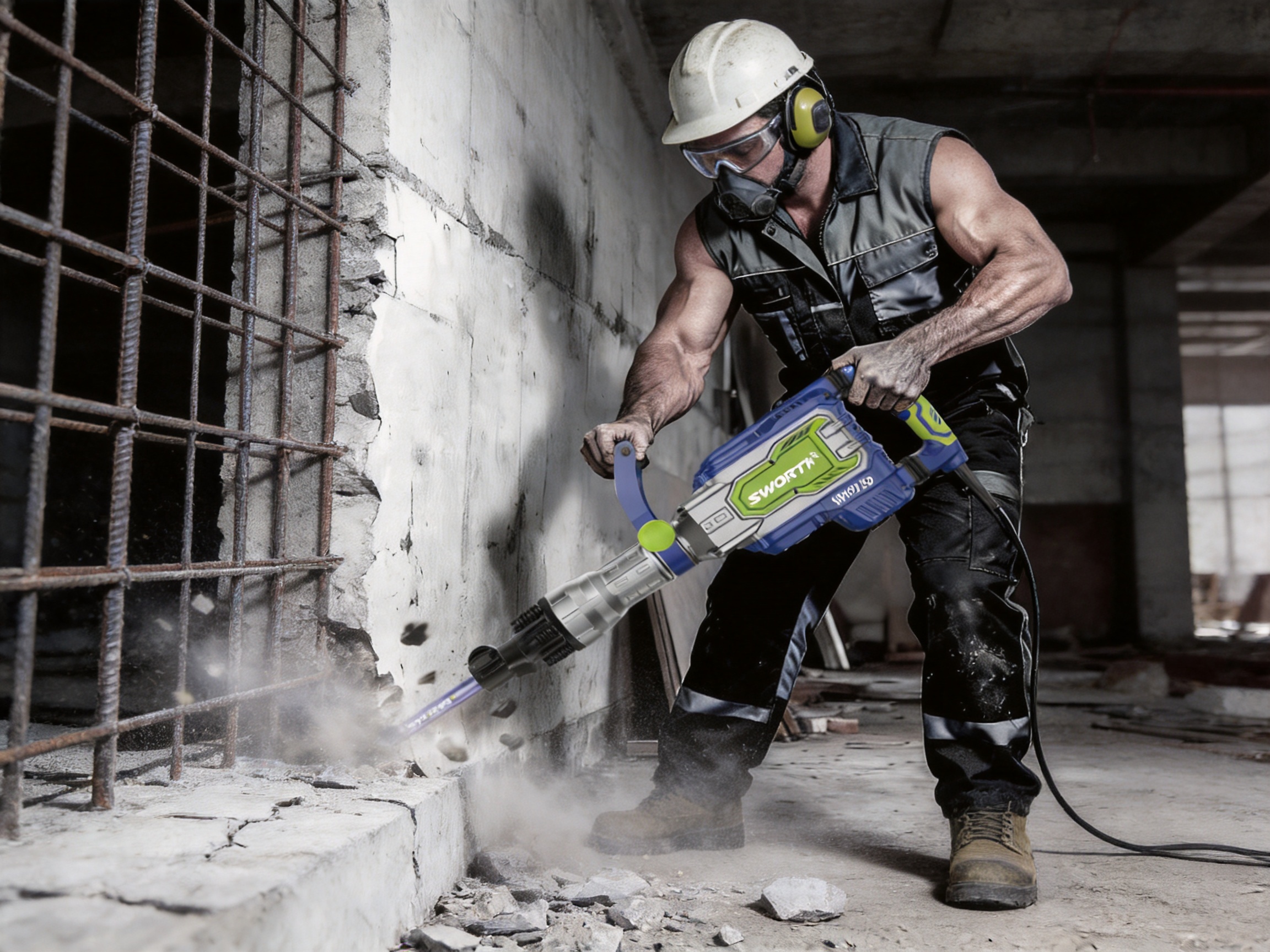
Powerful demolition equipment must be used responsibly. Operators should read the applicable instructions before use, inspect the power cord and plug, confirm that the chisel is correctly installed, and ensure that guards and handles are secure. Safety glasses, hearing protection, protective gloves, safety footwear, and suitable work clothing should be used according to the jobsite risk assessment.
Before starting, the operator should check the working area for electrical cables, water pipes, gas lines, reinforcement, and unstable structures. Demolition can release dust and fragments at high velocity. Appropriate respiratory protection and dust-control measures may be necessary, especially when working with concrete, masonry, or materials that may contain hazardous substances.
The tool should be held firmly with both hands. The chisel should be placed securely against the target before full operation. Excessive downward pressure is usually unnecessary and can increase vibration or reduce impact efficiency. Allowing the hammer mechanism to work while maintaining controlled contact generally produces better results than forcing the machine aggressively into the material.
Operators should avoid using damaged or unsuitable chisels. A bent, cracked, blunt, or incorrectly fitted accessory can reduce performance and increase the risk of breakage. Chisels should be inspected regularly and replaced when they no longer provide a safe and efficient working profile.
Long operating sessions should include planned breaks. Even an effective anti-vibration system cannot remove all vibration exposure. Rotating tasks among workers, changing grip position when appropriate, and observing workplace exposure limits can help reduce fatigue and improve safe operation.
Maintenance for Long-Term Performance
Maintenance protects the investment in a professional demolition hammer. Before each use, the machine should be checked for loose fasteners, damaged handles, worn power cords, blocked ventilation openings, unusual housing cracks, and signs of lubricant leakage. The chisel holder and locking rod should be kept clean and lubricated according to the applicable service instructions.
Carbon brushes should be inspected at suitable intervals. Worn brushes can reduce motor output, increase sparking, and damage the commutator. Replacing them as a matched set and using suitable replacement parts helps preserve electrical balance.
The cylinder, locking rod, gears, and impact components require correct lubrication. Too little lubricant can increase friction and heat, while too much or the wrong type may interfere with operation. Service should be performed by qualified personnel when internal disassembly is required.
Dust removal is also important. Concrete dust can enter ventilation paths, switches, and mechanical joints. The tool should be cleaned after use with methods that do not force debris deeper into the housing. Compressed air should be used carefully and in accordance with safety procedures.
When the tool is not in use, it should be stored in a dry, secure location away from moisture, corrosive chemicals, and extreme temperatures. The power cable should not be sharply bent or wrapped tightly around the housing. Proper storage helps preserve the insulation, handles, and external components.
Application Guidance
Concrete Breaking
For concrete slabs and foundations, begin by identifying a practical breaking line. Place the chisel near an edge or existing crack whenever possible. Work progressively rather than attempting to remove an excessively large section in one operation. The 65J impact energy can assist with deep fracture, but controlled positioning remains essential.
Brick and Masonry Removal
Brick and masonry can often be removed by opening joints and working along weak points. The operator should monitor the surrounding structure because vibration can loosen adjacent materials. The SW9129’s stable long head can help maintain chisel alignment during controlled removal.
Renovation and Utility Preparation
When preparing channels for pipes, cables, or other services, accuracy is more important than maximum force. Use an appropriate narrow chisel and make gradual passes. Confirm the location of existing utilities before starting and use dust-control measures when required.
Road and Surface Repair
For damaged paving, concrete edges, and repair zones, the hammer can be used to remove loose or deteriorated material. Operators should avoid striking sound structural sections unnecessarily. A powerful tool is most effective when its energy is applied selectively.
Purchasing Considerations for Contractors and Distributors
Professional buyers should evaluate more than motor wattage when selecting demolition equipment. Important factors include impact energy, impact rate, front-head durability, vibration control, accessory compatibility, electrical requirements, replacement-part availability, service support, and expected daily workload.
The SW9129 is rated for 220–240V at 50/60Hz, so buyers should confirm compatibility with the intended market and jobsite electrical system. Appropriate circuit protection, extension-cord selection, and grounding arrangements are also important. The tool should be used only with electrical systems that comply with local regulations.
For distributors, the model offers several clear selling points: a 1900W motor, 65J impact energy, a long forged iron head, double anti-vibration handles, a 35CrMo carburized locking rod, enlarged carbon brushes, and a 20CrMnTi cylinder. These features provide a strong technical basis for positioning the product as a professional demolition solution rather than a general-purpose light tool.
Project suppliers may also value the manufacturer’s integrated capabilities. Research and development, production, and sales are managed within one professional organization, which can simplify communication about specifications, packaging, technical support, and private-label or project requirements where applicable.
Before purchase, buyers should confirm the included accessories, packaging configuration, warranty terms, replacement parts, service procedures, and applicable compliance documentation. These details can vary by market and order configuration and should be verified directly with the supplier.
Frequently Asked Questions
What materials can the SW9129 demolition hammer break?
The tool is designed for demanding demolition work involving concrete, brick, masonry, and other high-strength construction materials. Actual performance depends on material thickness, density, reinforcement, chisel selection, and operating technique.
What is the motor power of the tool?
The rated power input is 1900W. This power level is intended for heavy-duty electric demolition applications and provides a strong working reserve for high-resistance materials.
How strong is the impact of the SW9129?
The stated impact energy is 65J, with a no-load impact rate of 2000bpm. The combination is designed to provide powerful repeated blows for concrete and masonry breaking.
Why is the long iron head important?
The long iron head supports front-end stability, helps concentrate impact force, and improves the alignment of the working assembly. Its integral forged construction is also intended to resist cracking under repeated impact.
Does the tool reduce vibration completely?
No demolition hammer eliminates vibration completely. The SW9129 uses upper and lower anti-vibration handles and soft rubber grips to reduce transmitted shock and improve comfort. Operators should still use protective equipment, take appropriate breaks, and follow workplace exposure requirements.
What is the purpose of the 35CrMo locking rod?
The locking rod secures the working accessory and experiences repeated impact and wear. The use of 35CrMo alloy steel with a carburizing process is intended to improve surface hardness, durability, and working life.
What advantage does the 20CrMnTi cylinder provide?
The cylinder guides the internal impact mechanism and is exposed to friction, heat, and repeated pressure. The selected material is intended to improve wear resistance and durability. The product design information indicates that its working life is doubled compared with the previous reference construction.
Are the carbon brushes replaceable?
Carbon brushes are wear components and should be inspected and replaced when necessary. The SW9129 uses enlarged 7 × 17 × 24 brushes, but replacement should be performed with suitable parts and according to service instructions.
Is this tool suitable for occasional home renovation?
Its power and impact energy are intended primarily for professional and heavy-duty demolition work. It may be used for suitable renovation tasks, but users should consider its weight, vibration, electrical requirements, and high impact force before selecting it for occasional work.
What maintenance does the hammer require?
Routine maintenance includes inspecting the power cord, handles, front head, chisel holder, locking rod, ventilation openings, and switches. The machine should be cleaned, lubricated, and serviced according to the applicable instructions. Carbon brushes and wear components should be checked periodically.
What should professional buyers confirm before ordering?
Buyers should confirm voltage compatibility, included accessories, packaging, warranty terms, service support, spare parts, compliance documents, and order-specific configurations. These details should be verified with the supplier before purchase.
Why the SW9129 Is a Professional Demolition Choice
The SW9129 Long Iron Head Large Demolition Hammer is built around the demands of high-strength breaking. Its 1900W motor and 65J impact energy provide the force required for concrete, brick, and masonry. Its 2000bpm impact rate supports productive repeated operation, while the six-tooth gear is designed to deliver higher torque and stable power transmission.
The tool’s greatest advantage is the way its features work together. The forged long iron head supports impact stability. The dual anti-vibration handle system improves control and comfort. The 35CrMo carburized locking rod addresses wear at the accessory-retention point. Enlarged carbon brushes support reliable current transfer, and the 20CrMnTi cylinder strengthens the internal impact mechanism.
These details distinguish the product from basic demolition hammers that focus mainly on motor wattage. Professional performance depends on the complete system: power generation, force transmission, impact alignment, heat management, structural strength, and human ergonomics. The SW9129 has been developed with each of these factors in mind.
Backed by a manufacturer specializing in demolition hammers, chisel-cutting tools, motor systems, and electronic control technologies, the product reflects a quality-focused approach to tool development. Its construction is intended for users who value durability, high efficiency, reduced fatigue, and dependable operation in demanding working conditions.
For construction contractors, renovation professionals, infrastructure maintenance teams, equipment distributors, and engineering suppliers, the SW9129 provides a strong combination of impact power and practical durability. With correct operation, regular maintenance, suitable accessories, and appropriate safety procedures, it can serve as a productive and reliable solution for serious demolition work.
References
1. Product technical information for the SW9129 Long Iron Head Large Demolition Hammer.
2. Manufacturer-provided specifications for motor power, impact rate, impact energy, component dimensions, and structural features.
3. General principles of electric demolition hammer operation, chisel selection, maintenance, and vibration control.
4. General engineering references on forged steel components, carburized alloy steel, motor brush systems, and wear-resistant cylinder materials.
5. Occupational safety guidance concerning construction-site demolition, personal protective equipment, dust exposure, electrical tool use, and hand-arm vibration.
Product: SW9129 Long Iron Head Large Demolition Hammer

Recommended Products
-


SW528 Small Hole Rebar Hammer
-
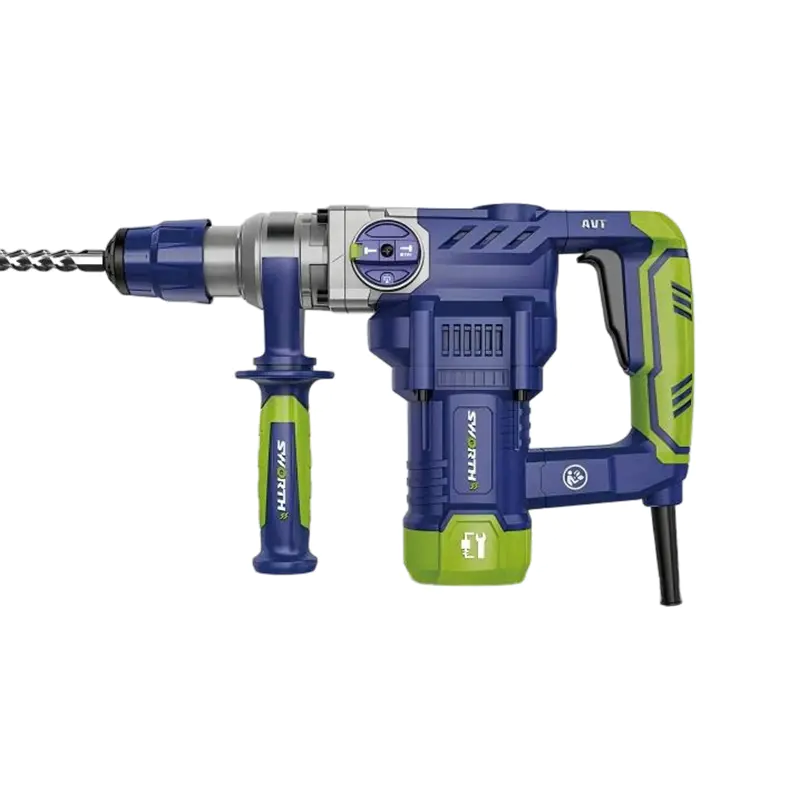
SW932 Groove Sandblasting Hammer
-
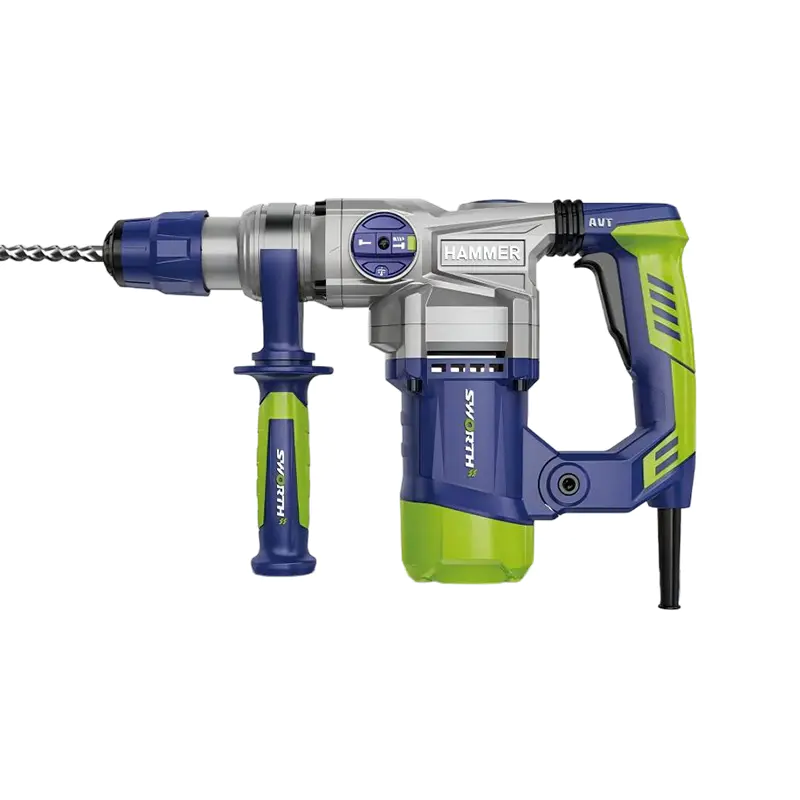
SW9362A Large Hole Rebar Hammer
-
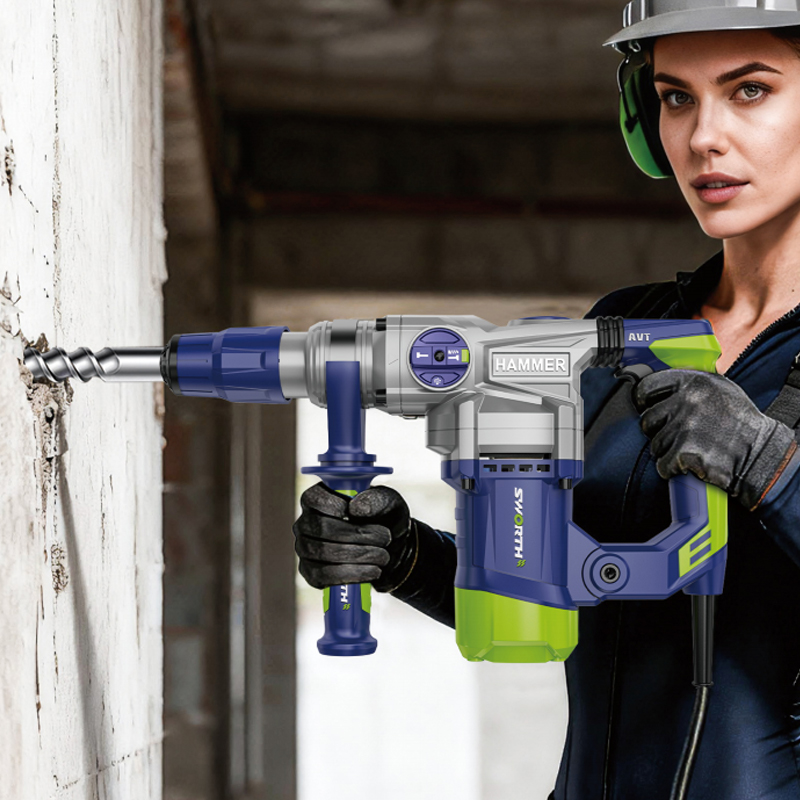
SW940 Enlarged Hole Rebar Hammer
-
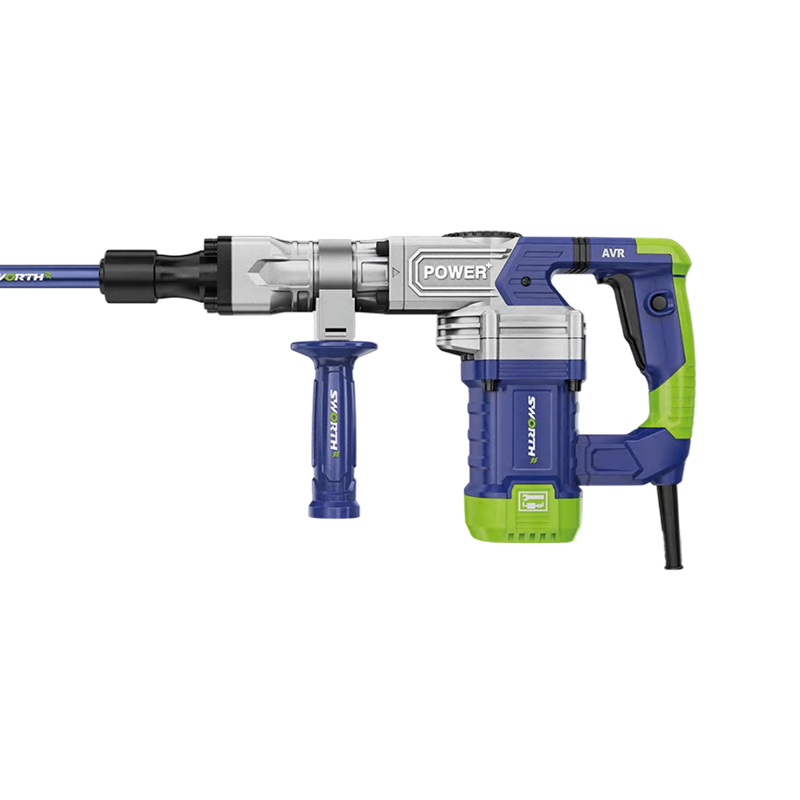
SW35S1 Powerful Demolition Hammer
-
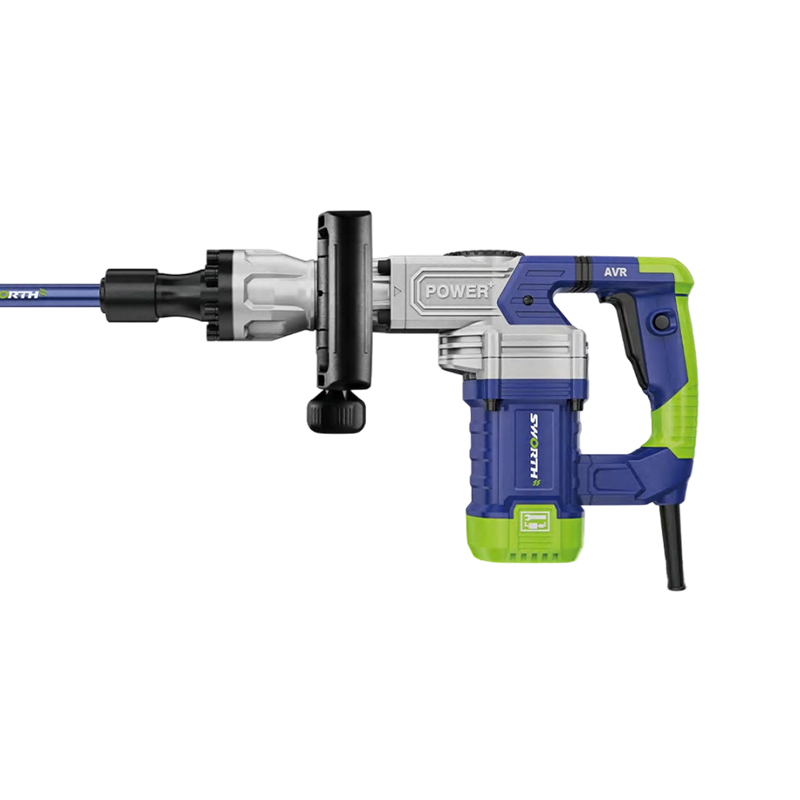
SW35S2 High-Efficiency Heat Dissipation Demolition Hammer
-
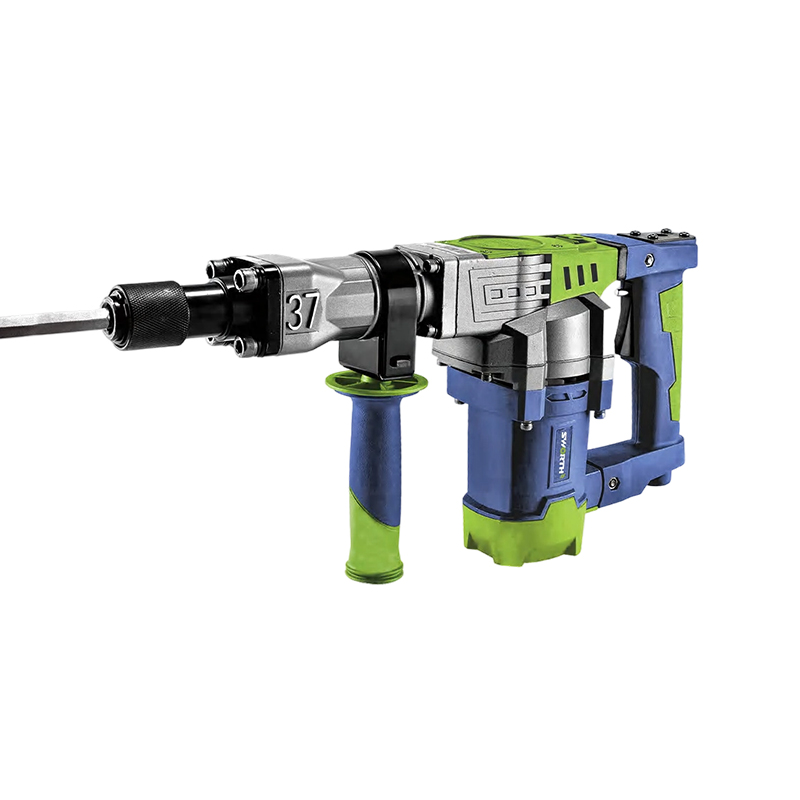
SW9371 High-Power Demolition Hammer
-
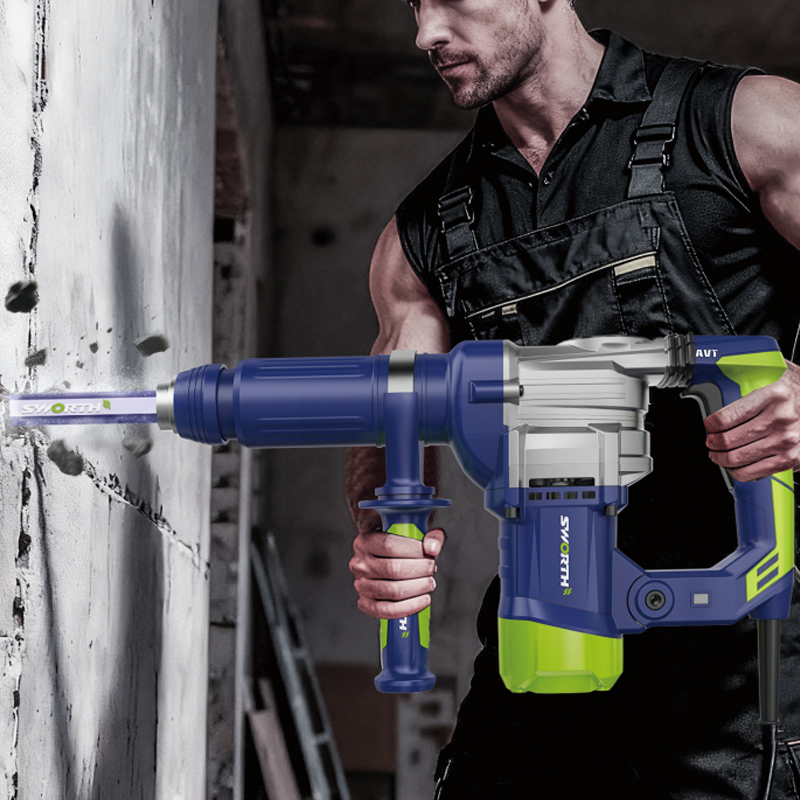
SW9373 Anti-Scalding Carbon Brush Holder Demolition Hammer
-
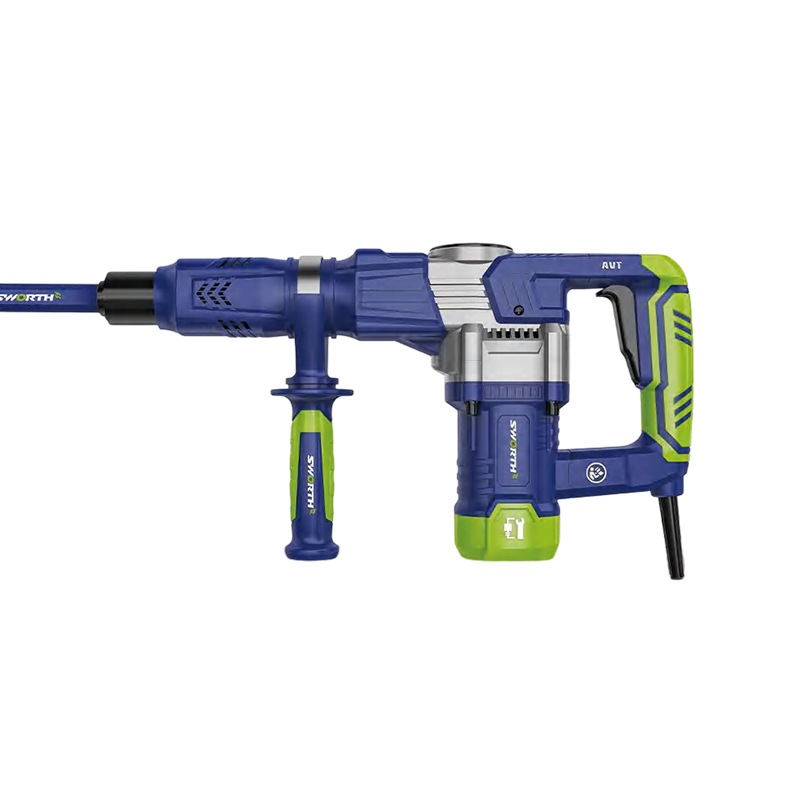
SW535 Powerful Anti-Scalding Demolition Hammer
-
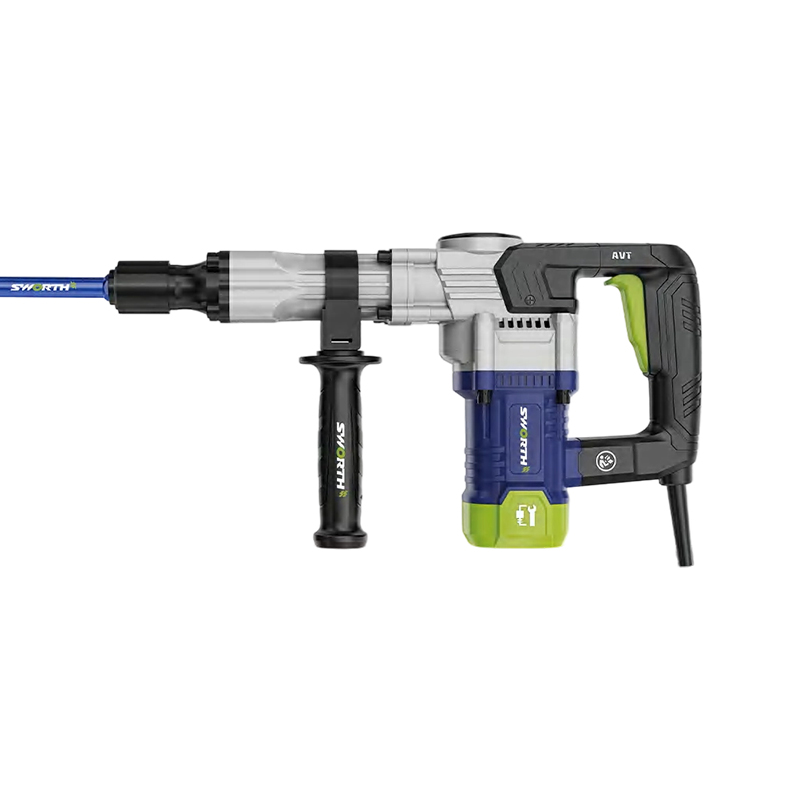
SW535-2 Durable Powerful Demolition Hammer
-
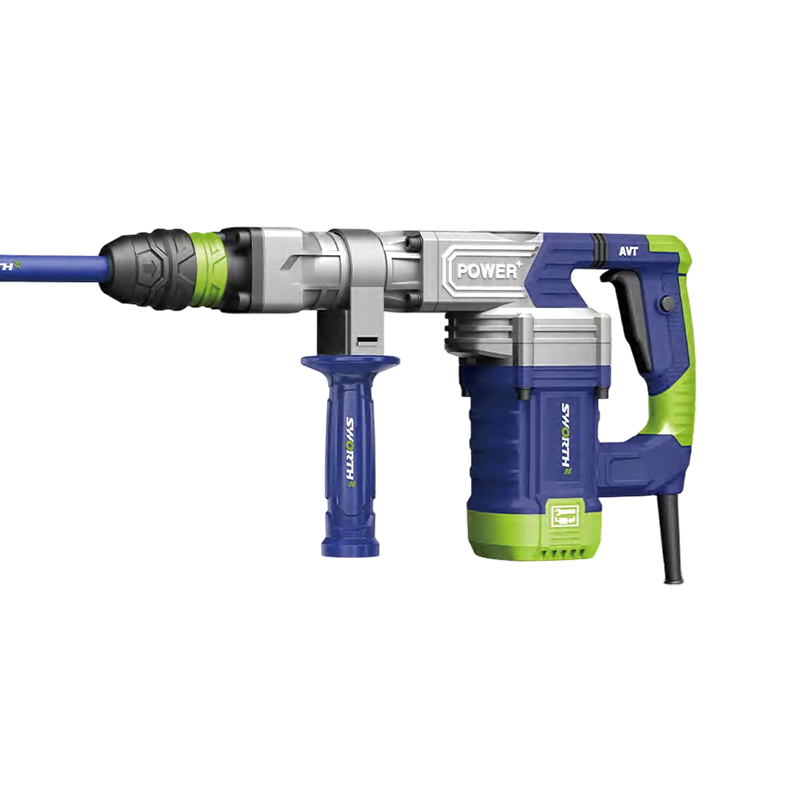
SW35S3 Five-Pipe Drill Bit Demolition Hammer
-

SW11E Five-Pipe Clamping Demolition Hammer
 +86-18314829275
 sale@sworthtools.com
 No. 101, Yugui Road, chengxi Industrial Zone, Yongkang City, Zhejiang Province, China
Copyright© Yongkang Siwei Technology Co., Ltd. All Rights Reserved

Hammer Tools & Cordless Garden Tools Manufacturer
